Veteran homes provide essential support, structure, and community for individuals who have served in the military. While these environments are built on shared experience and mutual respect, conflict can still arise. Differences in personality, trauma histories, communication styles, or daily routines may create tension among residents or between residents and staff.
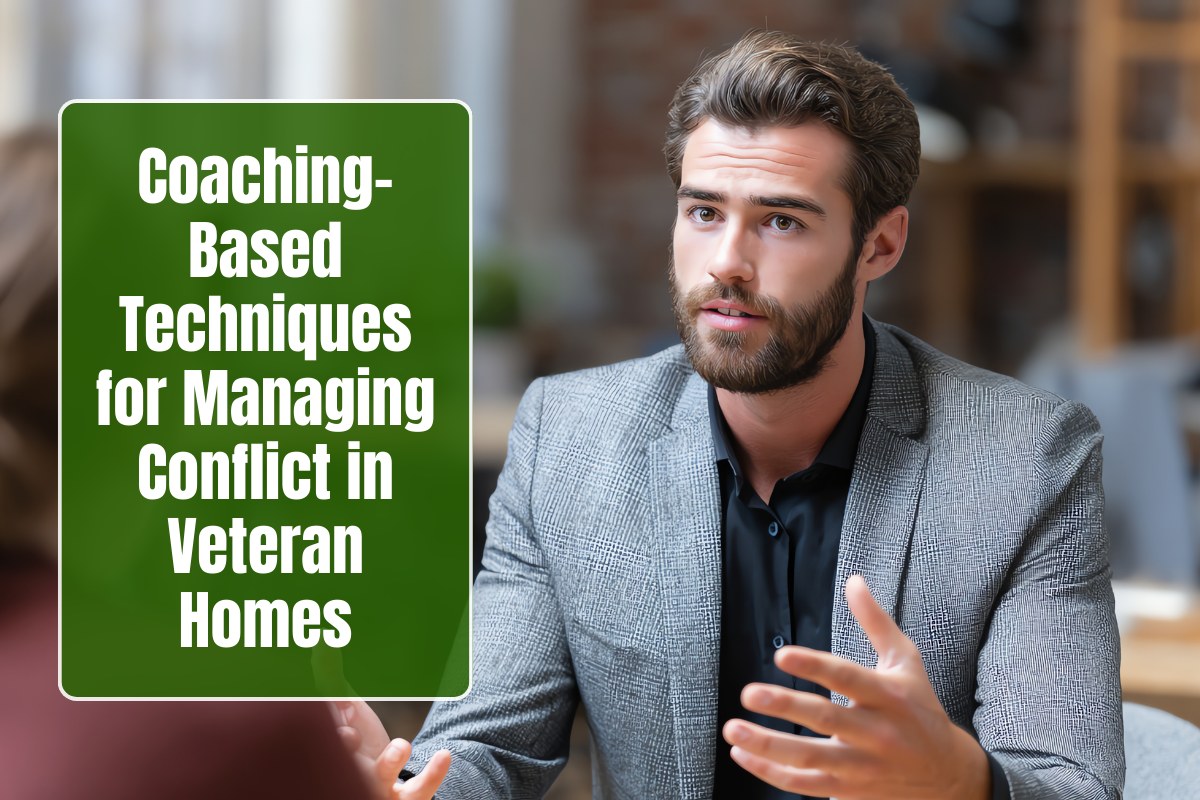
Coaching-based techniques offer a constructive, respectful approach to managing conflict in veteran homes by focusing on empowerment, understanding, and long-term behavioral change.
Understanding the Roots of Conflict in Veteran Homes
Conflict in veteran homes is often influenced by unique factors such as post-traumatic stress, physical injuries, loss of independence, or difficulty transitioning from military to civilian life. Veterans may carry deeply ingrained habits shaped by command structures, high-stress environments, and survival instincts.
Recognizing that conflict is frequently a response to unmet needs or perceived threats is essential. Coaching-based approaches begin with understanding rather than punishment, helping all parties feel heard and respected.
What Is a Coaching-Based Approach?
Coaching-based conflict management emphasizes guidance over control. Instead of enforcing solutions, staff and facilitators act as coaches who help veterans develop self-awareness, communication skills, and problem-solving strategies.
This approach aligns well with military culture, which values discipline, personal responsibility, and growth. Coaching respects autonomy while encouraging accountability, making it especially effective in veteran-centered environments.
Active Listening and Validation Techniques
One of the most powerful coaching tools is active listening. Veterans involved in conflict often feel misunderstood or dismissed. Coaching encourages staff and peers to listen without interrupting, judging, or immediately offering solutions.
Validation does not mean agreeing with harmful behavior; it means acknowledging emotions and perspectives. When veterans feel heard, defensiveness decreases, creating space for calmer, more productive dialogue.
Goal-Oriented Conflict Conversations
Coaching reframes conflict as a problem to be solved collaboratively rather than a battle to be won. Structured conversations focus on identifying shared goals such as safety, respect, and peaceful cohabitation.
By asking open-ended, goal-focused questions—such as “What outcome would feel fair to you?”—coaches help veterans shift from emotional reactions to constructive thinking. This process builds ownership and reduces repeated conflicts.
Emotional Regulation and Self-Awareness Skills
Many conflicts escalate due to difficulty regulating emotions, especially for individuals coping with trauma or stress-related conditions. Coaching-based techniques teach veterans to recognize emotional triggers and early warning signs of escalation.
Mindfulness practices, breathing techniques, and pause strategies empower veterans to respond thoughtfully rather than react impulsively. Over time, these skills enhance emotional resilience and reduce conflict frequency.
Peer Coaching and Mutual Accountability
Veteran homes benefit greatly from peer-based coaching models. Veterans often respond more openly to guidance from fellow residents who share similar experiences and values.
Peer coaching fosters mutual accountability and strengthens community bonds. When veterans support one another in managing conflict, it reinforces respect, teamwork, and shared responsibility for the living environment.
Staff Training in Coaching Mindsets
For coaching-based conflict management to succeed, staff must be trained in coaching principles. This includes maintaining calm presence, asking reflective questions, setting clear boundaries, and avoiding authoritative or punitive reactions whenever possible.
A coaching mindset shifts staff roles from enforcers to facilitators of growth. This approach reduces power struggles and builds trust between residents and caregivers.
Long-Term Benefits of Coaching-Based Conflict Management
Coaching-based techniques do more than resolve immediate disputes—they build life skills. Veterans gain tools they can apply beyond the home, including improved communication, emotional regulation, and conflict resolution.
Over time, veteran homes that adopt coaching approaches often experience improved morale, reduced incidents, and stronger community cohesion. Conflict becomes an opportunity for learning rather than division.
FAQs
Why is coaching effective for managing conflict in veteran homes?
Coaching respects autonomy, aligns with military values, and focuses on long-term skill development rather than punishment.
Can coaching-based techniques work with veterans experiencing trauma?
Yes, when applied with sensitivity. Coaching emphasizes emotional safety, self-awareness, and pacing, which are crucial for trauma-informed care.
What role do staff play in coaching-based conflict management?
Staff act as facilitators who guide conversations, model calm behavior, and support veterans in developing conflict-resolution skills.
How does peer coaching help reduce conflict?
Peer coaching builds trust, shared accountability, and mutual respect, making conflict resolution more relatable and effective.
Are coaching-based approaches a replacement for rules and structure?
No. Coaching complements structure by helping veterans understand and internalize expectations rather than simply comply with them.