Military service leaves a lasting imprint on those who serve—and that imprint doesn’t end when the uniform comes off. For many veterans, experiences from training, deployment, and combat shape how they parent, communicate, and connect with loved ones.
These influences can bring powerful strengths into family life, but they can also create challenges that families may struggle to understand without context.
Understanding how service experiences affect parenting and relationships is essential for building empathy, reducing conflict, and supporting healthier family dynamics.
Military Culture and Its Impact on Family Life
Military culture emphasizes discipline, structure, loyalty, and emotional control. These values are often necessary for survival and mission success, but they don’t always translate smoothly into home life. Veterans may carry rigid expectations around rules, obedience, or respect into parenting, sometimes clashing with children’s developmental needs or a partner’s parenting style.
At the same time, many families benefit from this structure. Veterans often bring consistency, reliability, and a strong sense of responsibility to their roles as parents and partners. The challenge lies in knowing when structure supports growth—and when flexibility is needed.
Trauma, Stress, and Emotional Availability
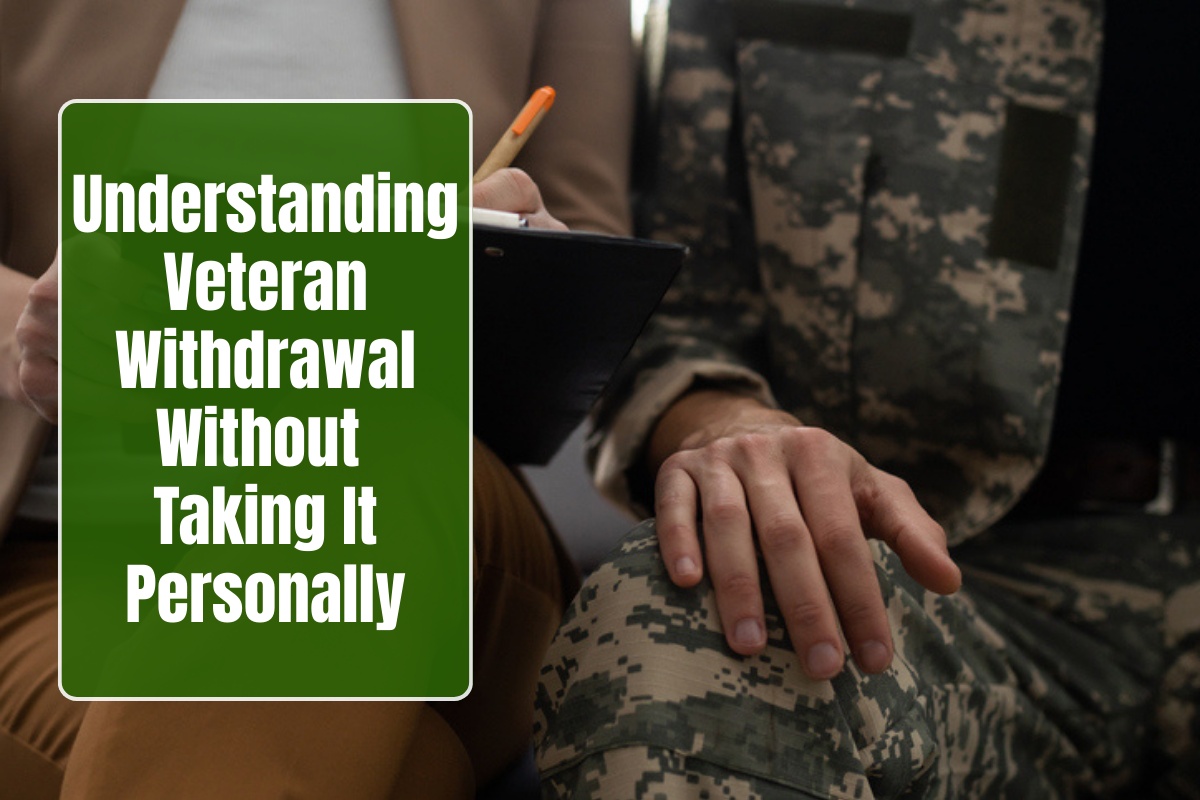
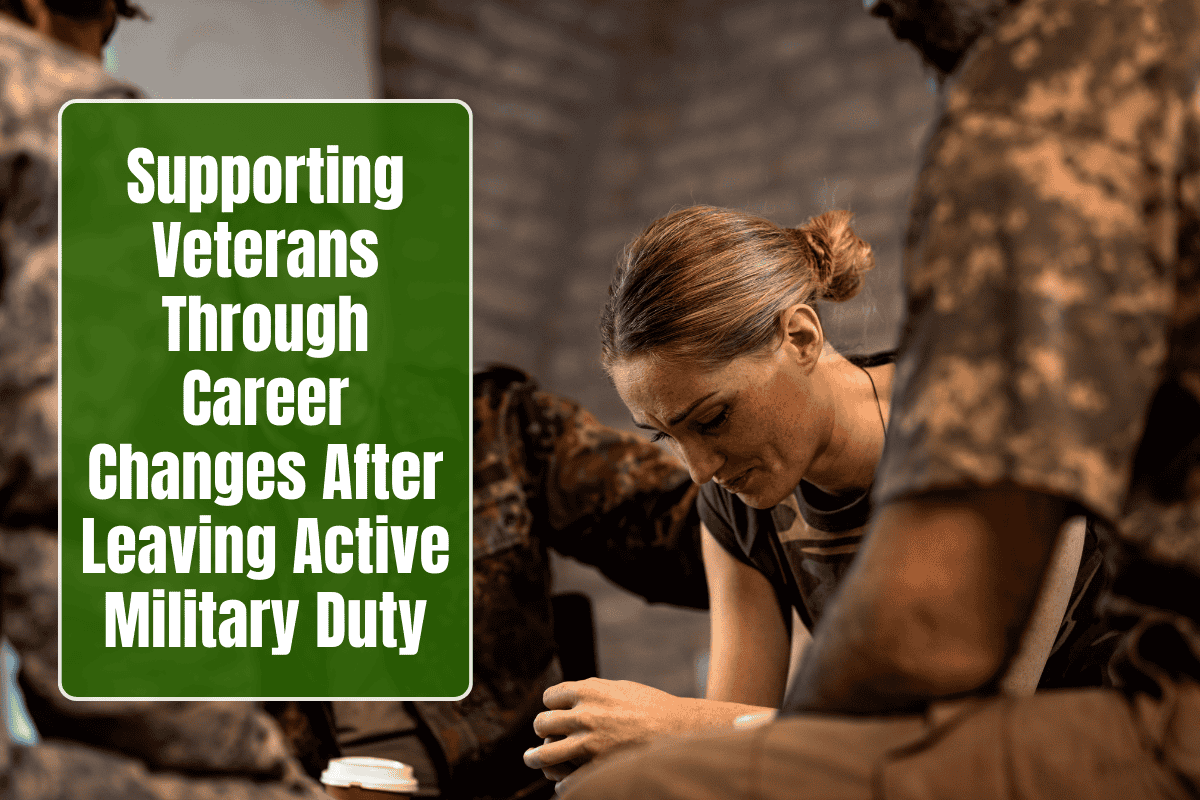
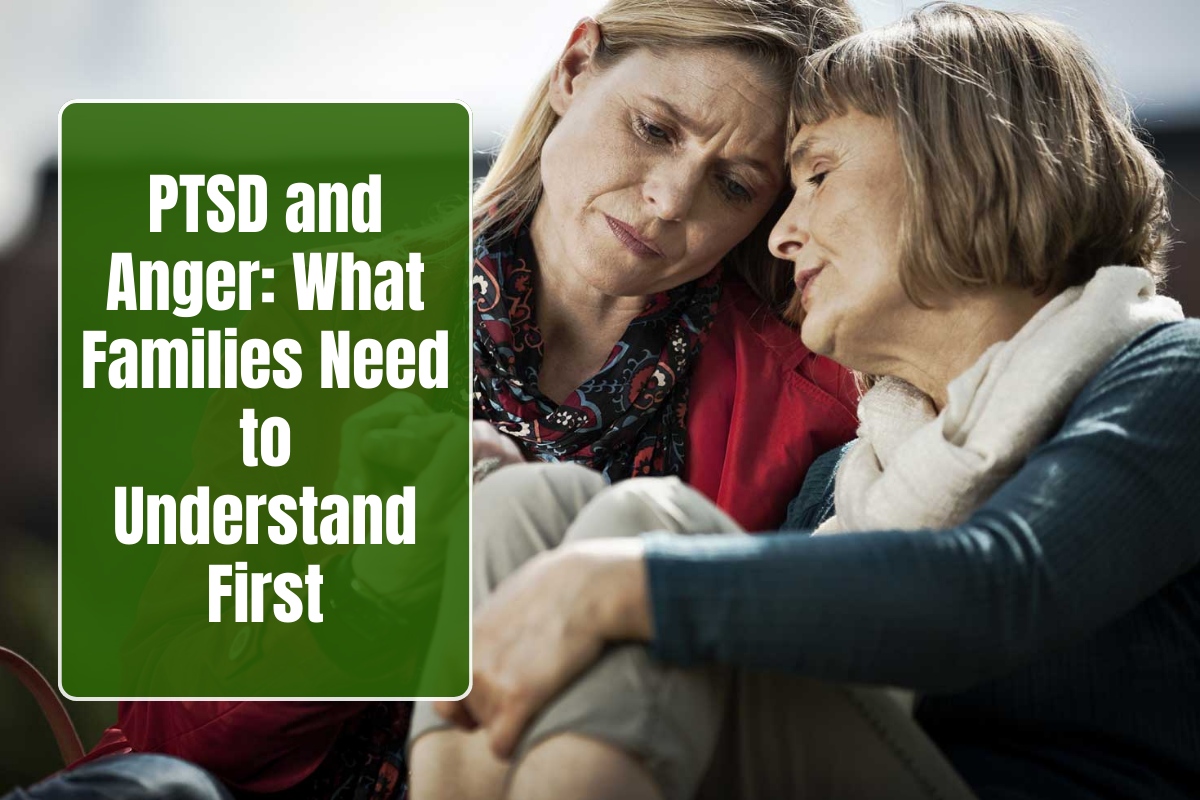
Exposure to combat, life-threatening situations, or prolonged stress can affect emotional regulation. Some veterans may struggle with irritability, emotional numbness, or hypervigilance. These reactions are not signs of disinterest or lack of love, but protective responses shaped by service experiences.
In relationships, this can look like emotional distance, difficulty expressing affection, or strong reactions to conflict. In parenting, it may mean difficulty tolerating noise, chaos, or emotional outbursts—common parts of family life with children. Without understanding the root causes, family members may feel rejected or misunderstood.
Parenting Through the Lens of Service
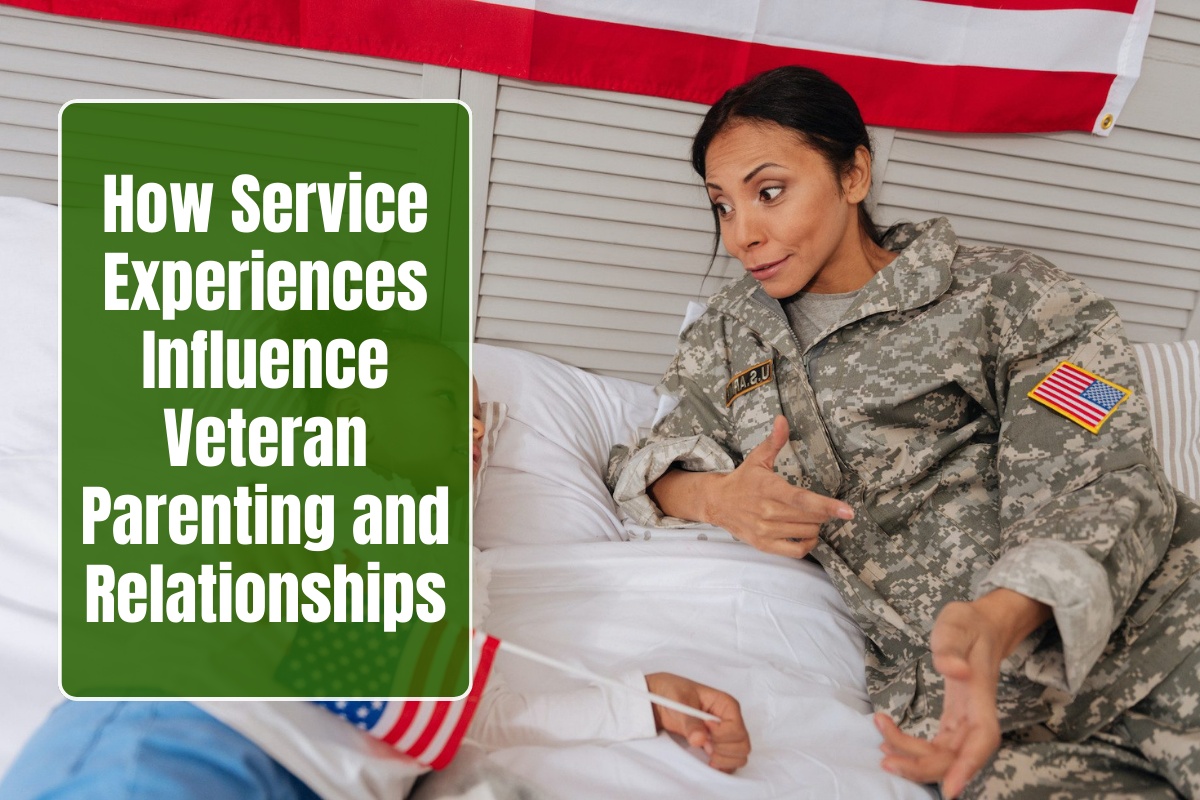
Veteran parents often feel a deep sense of duty to protect their children. This can result in heightened concern for safety, strict monitoring, or anxiety when children take age-appropriate risks. While this vigilance comes from love, it can sometimes limit children’s independence or create tension as they grow older.
On the positive side, veterans frequently model resilience, perseverance, teamwork, and respect for service. Many children of veterans describe learning strong values around commitment, accountability, and helping others.
Communication Styles and Conflict
Military environments rely on clear, direct communication—often under high pressure. At home, that same communication style can feel abrupt or intimidating to partners and children, especially during disagreements. Veterans may also be uncomfortable with emotional conversations, having learned to compartmentalize feelings during service.
Conflict can be especially challenging if service experiences taught that mistakes have severe consequences. This may lead to defensiveness, withdrawal, or escalation during arguments. Learning new communication tools can help bridge this gap and create safer emotional spaces at home.
Reintegration and Changing Family Roles
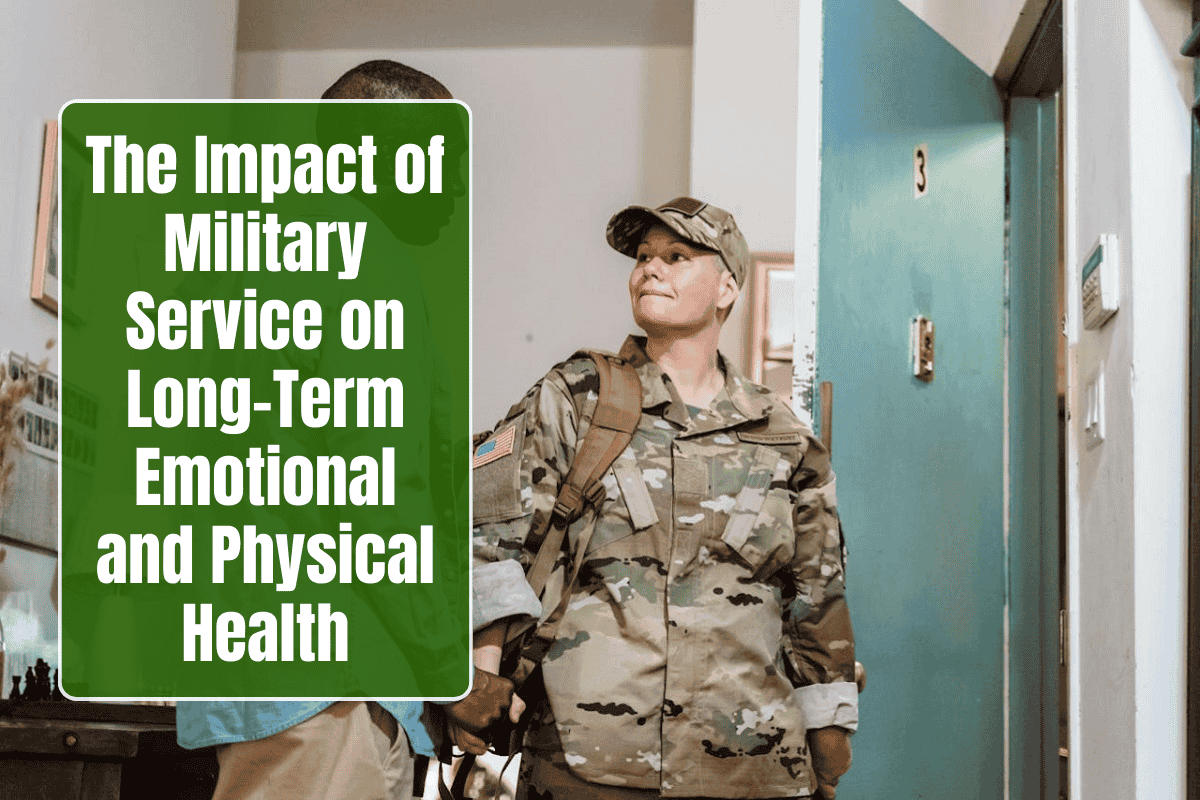
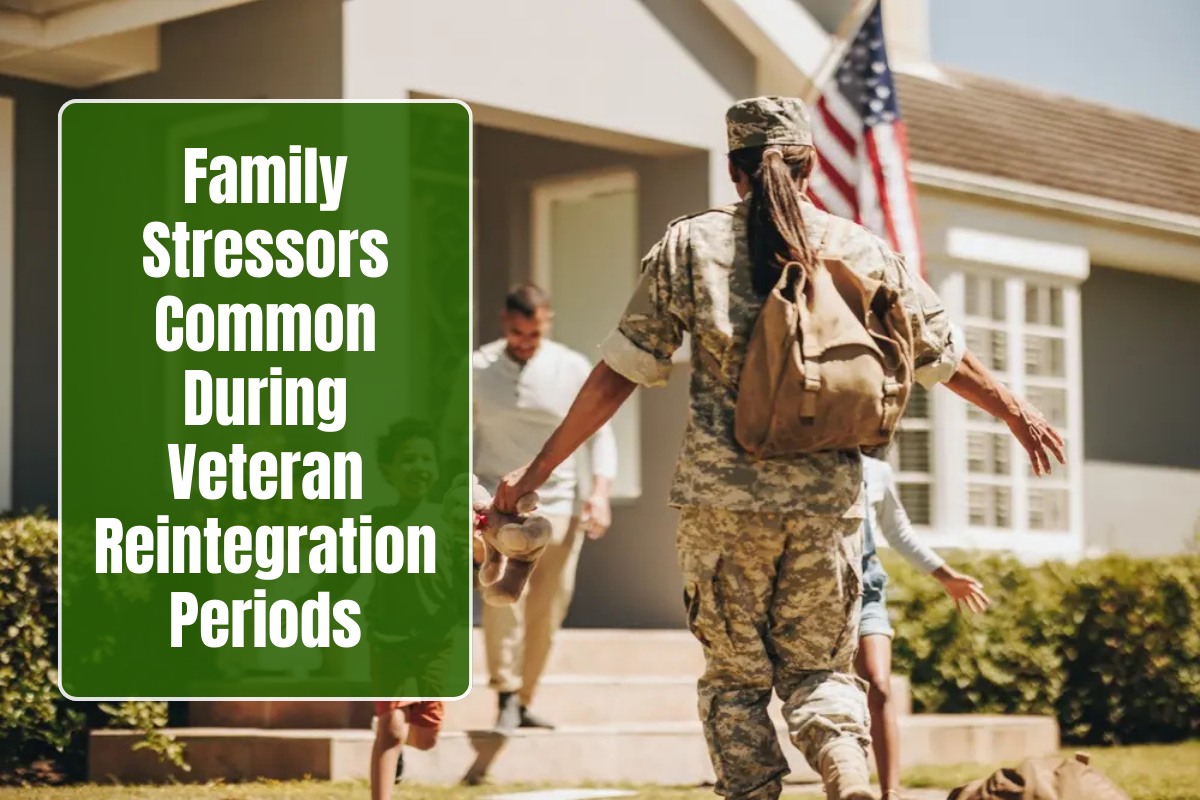
Returning from service often means stepping back into a family system that has adapted in the veteran’s absence. Partners may have taken on new responsibilities, and children may have grown more independent. This shift can create feelings of displacement or loss of control for veterans, and confusion or resistance from family members.
Healthy reintegration requires patience on all sides, open conversations about expectations, and mutual respect for how each person has changed.
Strengthening Relationships Through Understanding
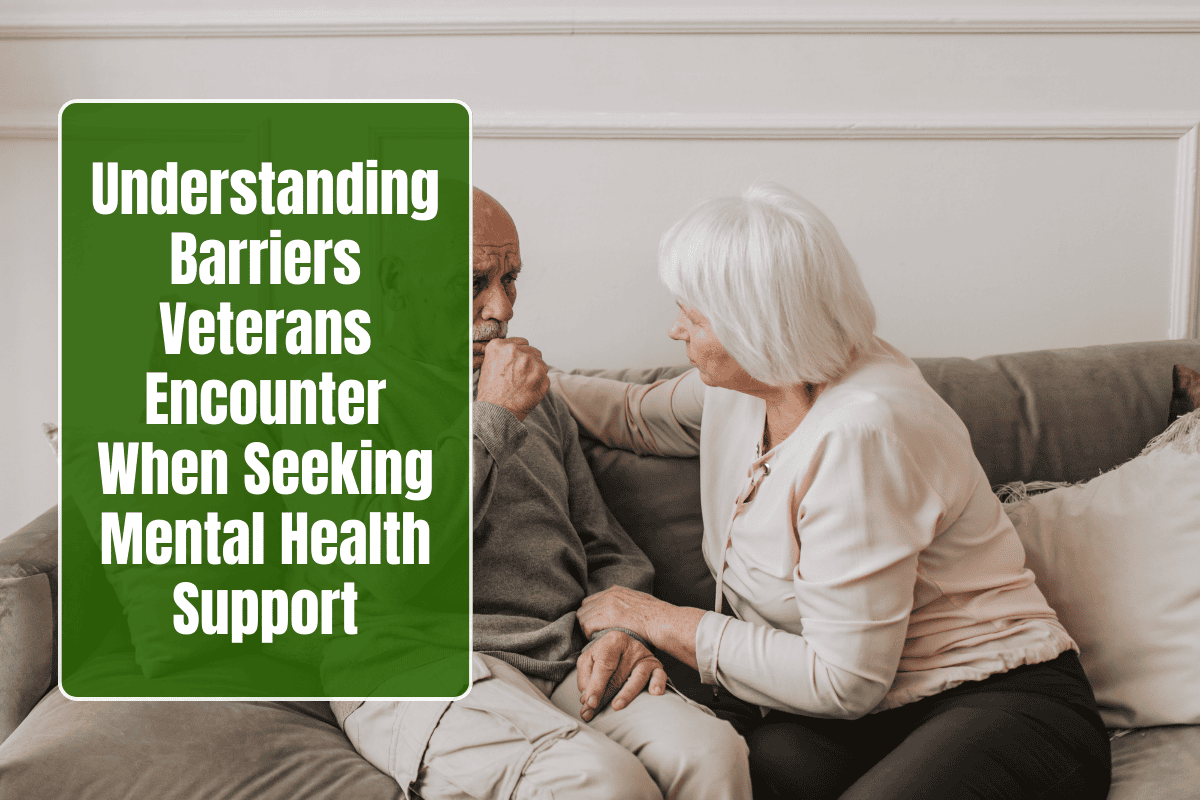
When families understand how service experiences shape behavior, blame often gives way to compassion. Education, family counseling, peer support, and trauma-informed care can help veterans and their loved ones navigate challenges together. Relationships don’t have to return to “how things were”—they can grow into something new, grounded in understanding and shared resilience.
FAQs
Do all veterans struggle with parenting or relationships?
No. Experiences vary widely. Many veterans have strong, healthy family relationships, while others face challenges depending on their service experiences and available support.
How can partners better support veteran parents?
Learning about military culture and trauma, communicating openly, and encouraging professional support when needed can make a significant difference.
Can service-related trauma affect children indirectly?
Yes. Children can be impacted by changes in emotional availability, conflict, or stress at home, even if they don’t understand the cause.
Is strict parenting always a problem?
Not necessarily. Structure can be beneficial, but it’s important to balance discipline with emotional connection and age-appropriate flexibility.
What kind of support helps veteran families most?
Family therapy, veteran peer groups, parenting programs, and trauma-informed mental health care are often highly effective.