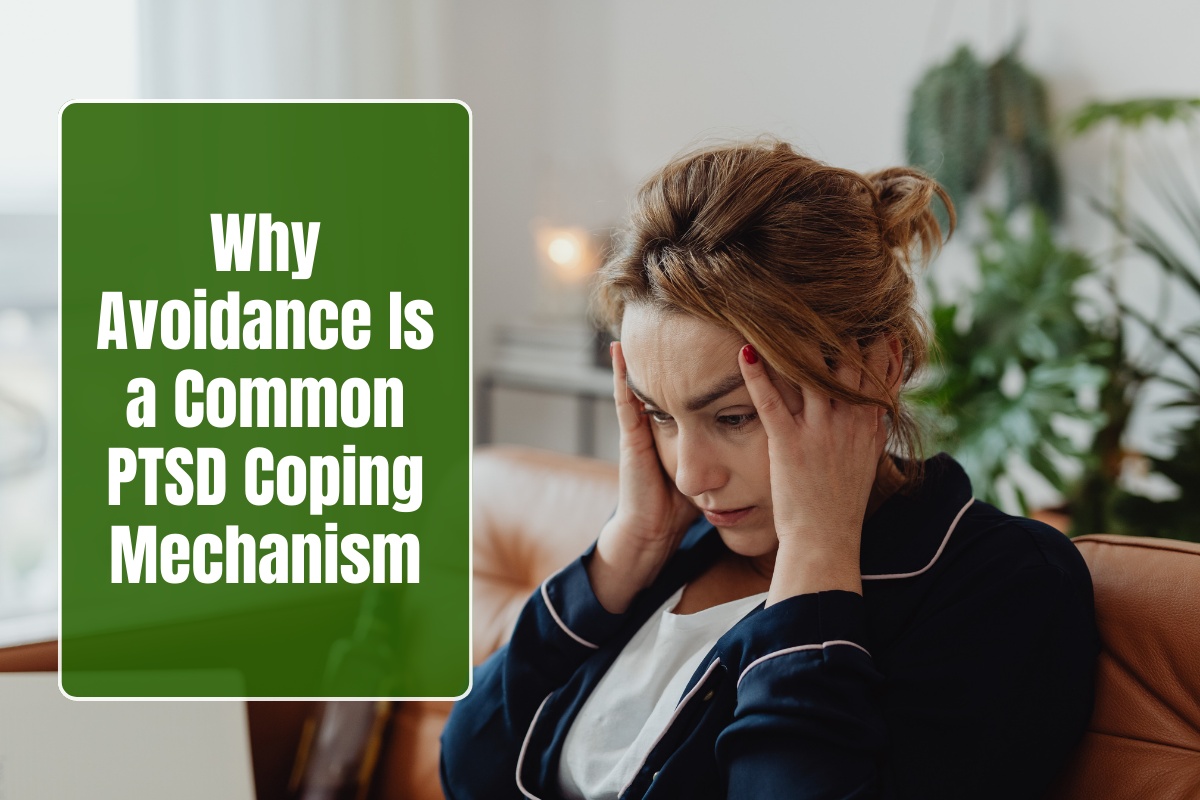
Post-traumatic stress disorder (PTSD) can deeply affect how individuals think, feel, and respond to the world around them. One of the most common coping mechanisms seen in people with PTSD is avoidance.
This behavior often develops as a way to manage overwhelming emotional pain, fear, or distress linked to traumatic experiences. While avoidance can provide short-term relief, it can also interfere with healing and long-term recovery if it becomes a dominant response.
Understanding Avoidance in PTSD
Avoidance in PTSD refers to efforts to stay away from reminders of a traumatic event. These reminders can be external, such as certain places, people, sounds, or situations, or internal, such as thoughts, emotions, or memories connected to the trauma. For someone with PTSD, these triggers can cause intense anxiety, panic, or emotional distress.
Avoidance is not a conscious weakness or lack of resilience. Instead, it is a natural response by the brain to protect itself from perceived danger. After trauma, the nervous system may remain in a heightened state of alert, interpreting reminders of the event as threats even when no real danger exists.
How Avoidance Develops After Trauma
Traumatic experiences can overwhelm a person’s ability to cope at the time they occur. When the brain associates certain stimuli with danger, it learns that avoiding those stimuli reduces distress. This creates a powerful learning loop: avoidance leads to temporary relief, reinforcing the behavior.
For example, someone who experienced a car accident may avoid driving because it triggers fear and flashbacks. By avoiding driving, they feel safer in the moment, which strengthens the belief that avoidance is necessary for protection. Over time, this pattern can spread to other areas of life.
Emotional Regulation and Self-Protection
Avoidance is closely tied to emotional regulation. Trauma can make emotions feel intense and unmanageable, and avoidance becomes a way to prevent emotional overload. By steering clear of triggers, individuals attempt to maintain control over their internal state.
In this sense, avoidance is a form of self-protection. The brain prioritizes survival and emotional safety, even if the strategy limits daily functioning. For many people with PTSD, avoidance is not about denial but about managing pain they do not yet feel equipped to face.
Types of Avoidance in PTSD
Avoidance can appear in several forms. Behavioral avoidance involves staying away from places, activities, or people connected to the trauma. Cognitive avoidance includes suppressing thoughts, memories, or conversations about the event. Emotional avoidance may involve numbing feelings through distraction, overworking, substance use, or emotional withdrawal.
Social avoidance is also common, as relationships can trigger vulnerability or remind individuals of loss, danger, or betrayal. These patterns often develop gradually and may not be immediately recognized as trauma-related.
Short-Term Relief vs. Long-Term Impact
In the short term, avoidance can reduce anxiety and provide a sense of control. However, over time, it can reinforce fear and prevent the brain from learning that triggers are no longer dangerous. This can lead to increased isolation, reduced quality of life, and difficulty processing the trauma.
Avoidance can also interfere with emotional processing, which is essential for recovery. When traumatic memories are consistently avoided, they remain unresolved and may continue to surface through nightmares, flashbacks, or heightened emotional reactions.
The Role of Avoidance in the PTSD Cycle
Avoidance is a central part of the PTSD cycle. Triggers activate distress, avoidance reduces discomfort temporarily, and the brain learns to rely on avoidance as a coping strategy. Unfortunately, this cycle can keep PTSD symptoms active and persistent.
Breaking this cycle does not mean forcing exposure without support. Healing typically involves gradually learning safer ways to face triggers, process emotions, and build tolerance for distress in a controlled and supportive environment.
Moving Toward Healing and Balance
Understanding avoidance as a coping mechanism rather than a flaw is an important step toward healing. With proper support, individuals can learn alternative coping strategies that allow them to feel safe while slowly re-engaging with avoided aspects of life.
Therapeutic approaches often focus on building emotional regulation skills, increasing a sense of safety, and gently reducing avoidance over time. This process helps the brain relearn that the present is different from the past and that distress, while uncomfortable, can be managed.
FAQs
Why is avoidance so common in people with PTSD?
Avoidance provides temporary relief from distress and helps individuals feel emotionally safe after trauma.
Is avoidance a sign of weakness?
No, avoidance is a natural protective response developed by the brain to manage overwhelming fear or pain.
Can avoidance make PTSD symptoms worse?
Yes, while helpful short term, long-term avoidance can reinforce fear and prevent trauma processing.
What types of avoidance are associated with PTSD?
Common types include behavioral, cognitive, emotional, and social avoidance.
How can someone reduce avoidance safely?
With professional support, individuals can gradually face triggers while learning coping and emotional regulation skills.