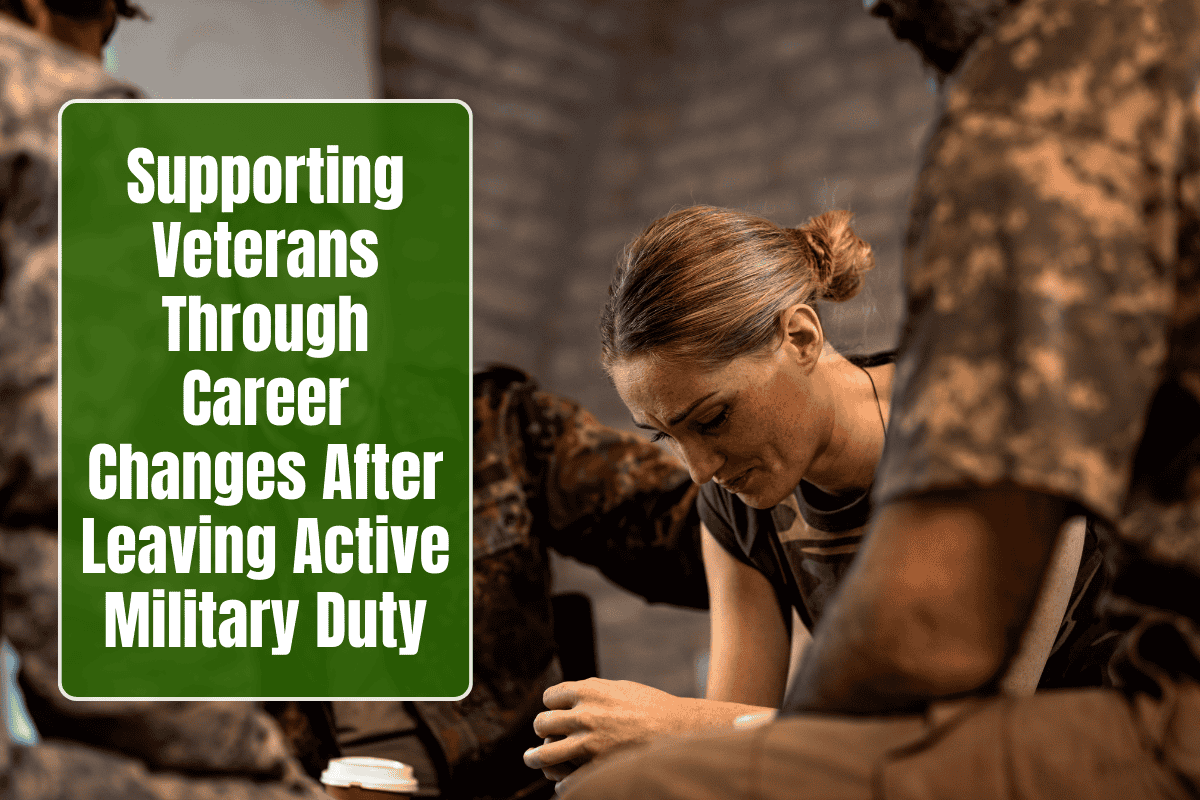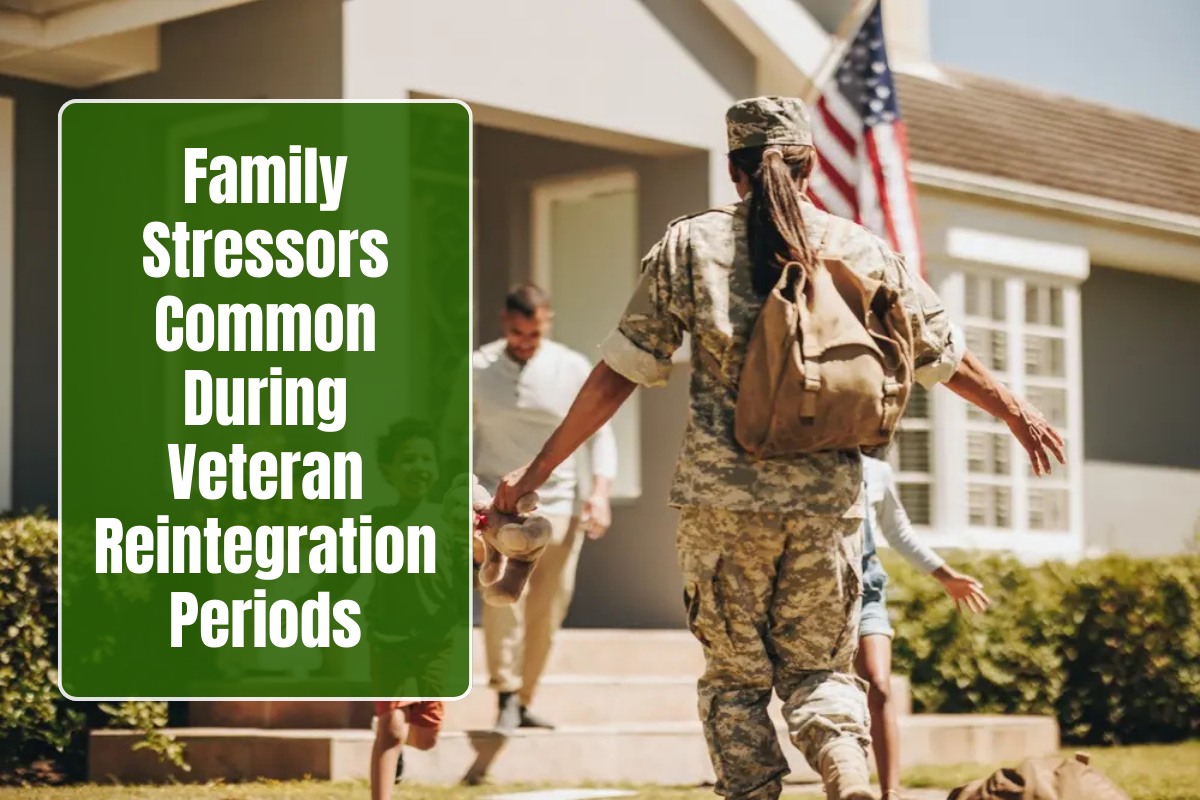
When a veteran begins to withdraw emotionally or socially, it can be confusing and even painful for the people who care about them. Friends, partners, and family members may feel rejected, shut out, or unsure of what they did wrong.
In reality, withdrawal is often not about others at all. It is frequently a coping response shaped by military experience, trauma, and the challenges of transitioning back to civilian life. Understanding this distinction is key to maintaining healthy relationships without internalizing the distance.
Why Withdrawal Is Common Among Veterans
Military service places individuals in high-stress, high-responsibility environments where emotional control and self-reliance are essential for survival. Over time, many service members learn to compartmentalize emotions, suppress vulnerability, and rely primarily on themselves. These habits, while adaptive in combat or operational settings, can persist long after service ends.
For some veterans, withdrawal is also connected to trauma, including post-traumatic stress, moral injury, or prolonged exposure to danger. Stepping back from others can feel safer than engaging in situations that might trigger difficult memories, emotions, or a sense of being misunderstood.
Withdrawal Is Often About Regulation, Not Rejection
One of the most important things to understand is that withdrawal is usually about emotional regulation. Veterans may pull away to manage internal overwhelm, stress, or fatigue rather than to send a message to others. Social interaction, even with loved ones, can require emotional energy they may not have at that moment.
This means the distance is rarely a reflection of how much they care. In fact, some veterans withdraw specifically because they do not want their struggles to burden others or because they fear reacting in ways they cannot fully control.
The Role of Identity and Transition Stress
Leaving the military often involves a major identity shift. Veterans may struggle with loss of structure, purpose, and camaraderie. Civilian environments can feel unfamiliar, unstructured, or disconnected from the values they lived by in service.
During this transition, withdrawal can be a way to process identity changes privately. Veterans may need time alone to reconcile who they were in uniform with who they are becoming outside of it. This inward focus can look like emotional distance, even when it is part of adaptation.
Why Loved Ones Take It Personally
It is natural for people to personalize withdrawal. Humans are wired to seek connection, and when it disappears, the brain looks for explanations. Partners may assume they are no longer trusted. Friends may feel pushed away. Family members may worry they have failed to provide support.
These reactions are understandable, but they often place unnecessary emotional strain on relationships. Interpreting withdrawal as a personal rejection can lead to resentment, conflict, or attempts to force closeness, which may unintentionally increase the veteran’s need for distance.
How to Respond Without Self-Blame
Responding effectively begins with separating your self-worth from the veteran’s behavior. Remind yourself that withdrawal is a coping strategy, not a judgment of your value or importance. Offering steady, low-pressure support is often more helpful than demanding explanations or emotional engagement.
Simple gestures matter: consistent presence, clear but gentle communication, and reassurance that you are available without expectations. Letting veterans know they can reconnect at their own pace helps rebuild trust and safety.
Balancing Support With Healthy Boundaries
Understanding withdrawal does not mean ignoring your own needs. Healthy relationships require balance. It is okay to acknowledge how the distance affects you and to express that respectfully. Boundaries protect both parties and prevent emotional burnout.
Encouraging professional support when appropriate can also be beneficial. Therapy or peer support allows veterans to process experiences without placing the full emotional load on personal relationships.
Reframing Withdrawal as Part of Healing
When viewed through a compassionate lens, withdrawal can be reframed as part of a larger healing process. It often reflects an attempt to regain control, restore balance, or avoid causing harm rather than an intent to disconnect permanently.
Patience, education, and empathy go a long way. By understanding the underlying reasons for withdrawal, loved ones can stay connected without taking the distance personally, creating space for healthier reconnection over time.
FAQs
Why do veterans withdraw from loved ones?
Withdrawal is often a coping mechanism to manage stress, trauma, emotional overload, or major life transitions after military service.
Is veteran withdrawal a sign of losing interest in relationships?
No, it usually reflects self-regulation or overwhelm rather than a lack of care or commitment.
Should I confront a veteran about their withdrawal?
Gentle, non-accusatory communication is helpful, but pressuring or demanding closeness can increase withdrawal.
How can I support a veteran without taking it personally?
Maintain steady presence, lower emotional pressure, and remind yourself that their behavior is not a reflection of your worth.
When should professional help be encouraged?
If withdrawal is severe, prolonged, or accompanied by distress, encouraging professional or peer support can be beneficial for both the veteran and their loved ones.