Post-traumatic stress disorder (PTSD) is a mental health condition triggered by experiencing or witnessing a traumatic event. While most people associate PTSD with soldiers returning from combat, it affects individuals from all walks of life, including survivors of accidents, natural disasters, and violence.
Beyond the often-discussed symptoms of flashbacks, nightmares, and hypervigilance, PTSD can significantly impact an individual’s ability to communicate, creating challenges that families may not fully understand. This article explores how PTSD affects communication and why families need to recognize its role in relationships and day-to-day interactions.
The Hidden Communication Challenges of PTSD
For those suffering from PTSD, communication isn’t just about exchanging information—it can be fraught with emotional and psychological hurdles. These challenges are often invisible and misunderstood by family members, leading to frustration, confusion, and even a breakdown in relationships.
1. Emotional Numbing and Withdrawal
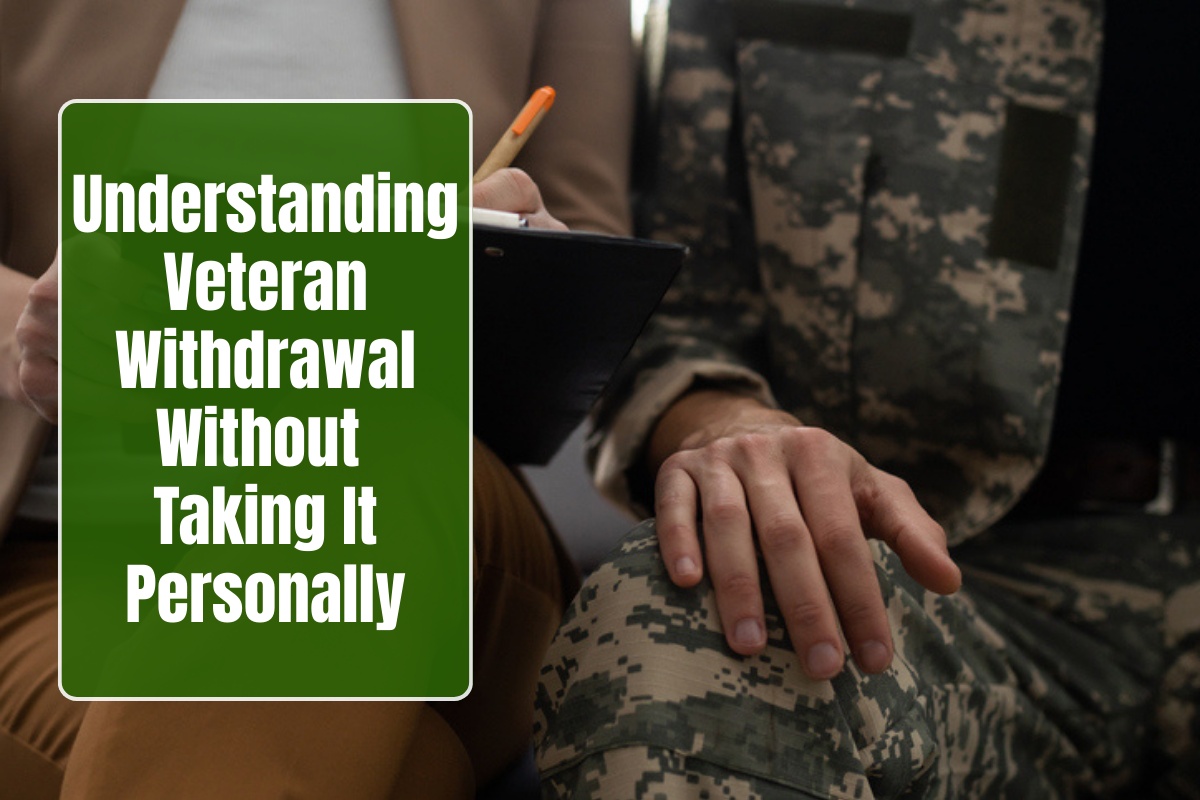
One of the hallmark symptoms of PTSD is emotional numbing, where individuals become detached or withdrawn from their emotions. This detachment can affect how someone expresses themselves, making them appear distant, cold, or unresponsive in conversations.
- Difficulty Expressing Feelings: People with PTSD may find it challenging to share their thoughts or emotions with loved ones because they have learned to shut down or suppress them as a coping mechanism for their trauma. This leads to a lack of emotional expression during interactions.
- Reduced Social Engagement: PTSD sufferers might avoid family gatherings, social events, or even casual conversations, further isolating themselves. This withdrawal can create confusion within the family as to why the individual seems uninterested or distant, even when they still care deeply.
2. Hypervigilance and Overreaction
Hypervigilance—an excessive state of alertness that often comes with PTSD—can also severely affect communication. This symptom leads individuals to perceive threats where none exist, resulting in heightened reactions to normal situations.
- Misinterpreting Intentions: Someone with PTSD might misinterpret a family member’s innocent comment or a simple question as a threat or criticism, which can lead to overreaction, anger, or defensive behavior. This makes it difficult for the person to engage in a calm, reasoned conversation.
- Shortness and Aggression in Responses: Because of heightened stress and anxiety, individuals with PTSD may react impulsively, cutting off conversations prematurely or responding in a way that seems disproportionate to the situation. Family members may find themselves walking on eggshells, unsure of what might trigger an overreaction.
3. Difficulty with Memory and Concentration
PTSD can affect cognitive functions such as memory and concentration, which are crucial for effective communication. The brain’s ability to process and recall information may be compromised, making it hard for individuals to follow conversations or retain important details.
- Forgetfulness and Miscommunication: People with PTSD might forget key points discussed in a conversation or struggle to focus on what is being said, leading to misunderstandings. This can be particularly challenging in family settings, where the person may forget plans, promises, or important discussions.
- Difficulty Processing Complex Conversations: Complex conversations involving multiple topics can be overwhelming, and the person with PTSD may zone out, miss cues, or struggle to make logical connections between ideas. As a result, family members may feel frustrated by the lack of response or engagement.
4. Increased Irritability and Emotional Reactivity
PTSD often causes mood swings, irritability, and emotional reactivity. These emotional responses can interfere with communication, making conversations tense or emotionally charged.
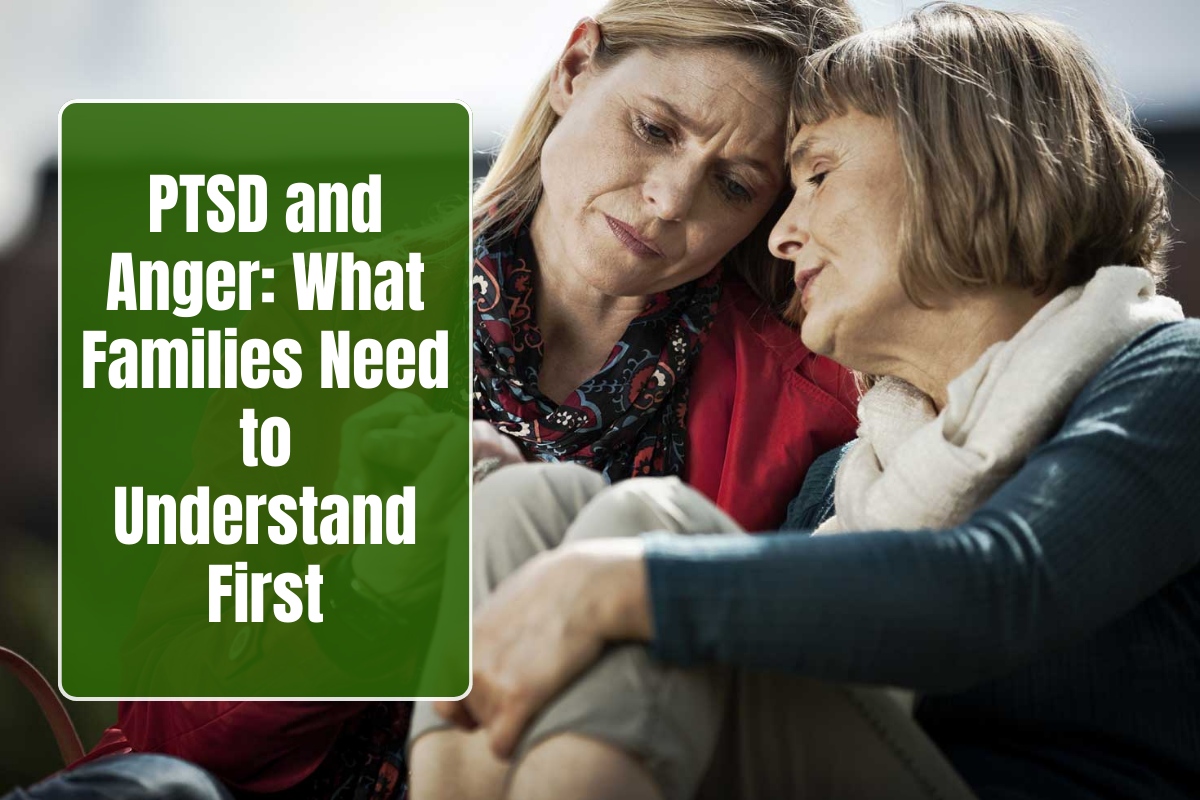
- Quick to Anger: A person with PTSD might become easily irritated or angry, even in situations that seem minor to others. A simple question or an everyday stressor could trigger a disproportionate emotional outburst, making it difficult to maintain a healthy, open dialogue.
- Difficulty Regulating Emotions: Emotional regulation becomes harder for someone with PTSD, so they may find it challenging to keep their emotions in check during difficult conversations. This can lead to heated arguments, shutting down during conversations, or withdrawing completely from communication.
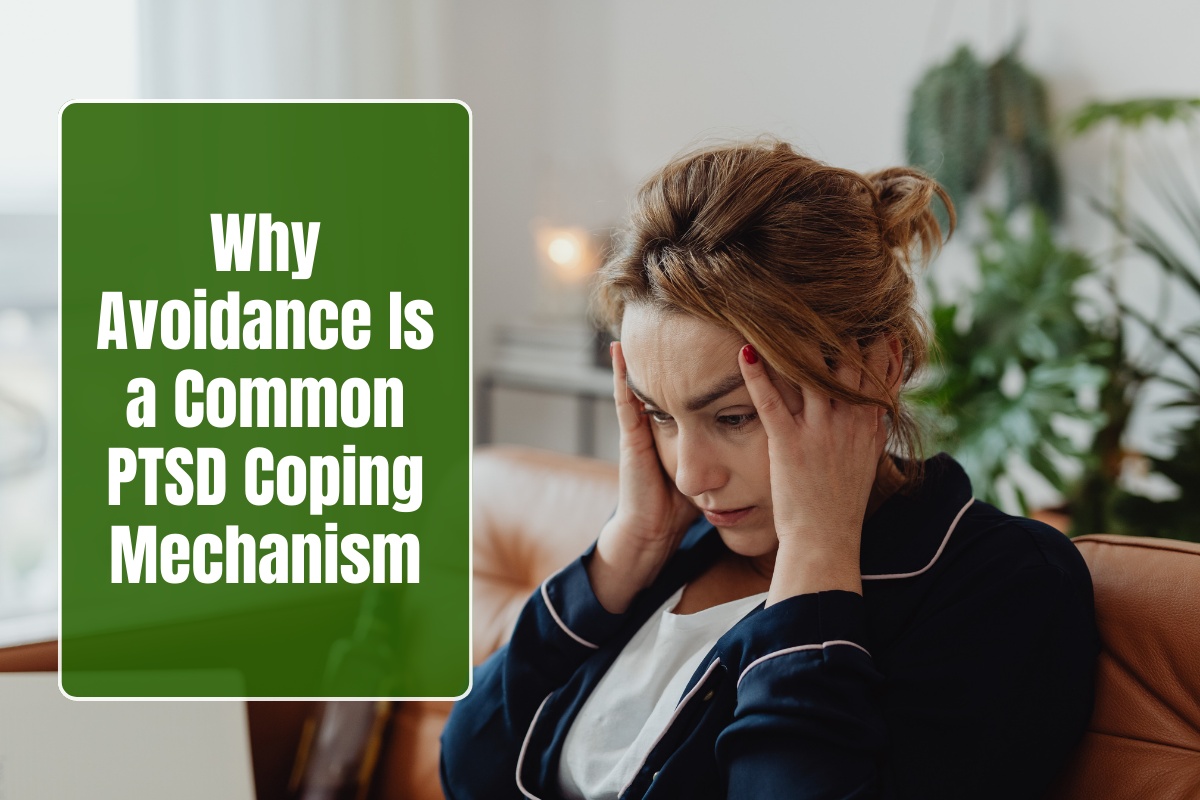
5. Avoidance of Certain Topics
Certain topics may remind the person of their trauma, leading them to avoid these subjects altogether. This avoidance behavior can hinder open communication in the family, especially when difficult conversations need to take place.
- Avoiding Vulnerable Topics: Discussing the traumatic event or related topics might be too distressing for the person with PTSD, causing them to avoid sharing feelings, addressing conflicts, or engaging in important discussions about their recovery.
- Breaking Down Relationships: If the family does not understand the avoidance, it can lead to feelings of rejection or alienation. Family members may believe that the person with PTSD is unwilling to communicate, when in fact, they are simply avoiding triggers.
The Impact of PTSD on Family Dynamics
The communication challenges that arise from PTSD can create a ripple effect in family relationships, leading to feelings of frustration, confusion, and isolation. Family members might find themselves in a constant state of uncertainty, unsure of how to help or even how to approach difficult conversations.
- Strained Relationships: The breakdown in communication can lead to strained relationships, particularly if family members don’t understand why their loved one is behaving in certain ways. Over time, this can result in feelings of neglect or resentment, both for the person with PTSD and their loved ones.
- Impact on Caregivers: Family members, especially caregivers, can experience their own emotional toll due to the constant stress of managing the complexities of PTSD. Caregivers may feel helpless, exhausted, or even resentful if they don’t understand the underlying reasons for the communication difficulties.
Paths Toward Better Communication
While PTSD undoubtedly complicates communication, there are steps that families can take to improve understanding and support their loved ones through this challenging experience.
1. Educating the Family About PTSD
Education is one of the most effective ways to build empathy and understanding within a family. Learning about the symptoms and behaviors associated with PTSD can help family members recognize that the issues at hand are not personal attacks but the result of a mental health condition.
- Family Therapy: Engaging in family therapy can provide a safe space for family members to learn more about PTSD, ask questions, and explore strategies for communicating effectively. It also provides a forum for expressing feelings and resolving misunderstandings.
- Self-Education: Families can benefit from reading books, attending workshops, or seeking resources from mental health professionals about how to support someone with PTSD.
2. Creating a Supportive Environment
A supportive, non-judgmental environment can help the individual with PTSD feel more comfortable opening up. This includes offering patience, understanding, and a willingness to listen without rushing to solutions.
- Avoiding Overloading with Questions: Instead of pushing the person with PTSD to talk, creating an open, relaxed space for communication can encourage them to share at their own pace.
- Active Listening: Family members should focus on listening without interrupting or trying to fix the problem. Simply acknowledging the person’s feelings can go a long way toward fostering positive communication.
3. Developing Coping Strategies for Triggers
Many individuals with PTSD have specific triggers that cause them to shut down or react impulsively. By identifying these triggers, families can work together to avoid them or develop strategies for managing the emotional responses that arise during communication.
- Using Grounding Techniques: Grounding techniques, such as deep breathing or focusing on the present moment, can help the individual with PTSD regain control when they feel overwhelmed during conversations.
- Establishing Boundaries: Clear boundaries around sensitive topics can help prevent triggering situations. Respecting these boundaries can foster more open and supportive communication.
4. Encouraging Professional Help
PTSD is a mental health condition that often requires professional intervention. Encouraging loved ones with PTSD to seek therapy, particularly trauma-focused therapies like cognitive behavioral therapy (CBT) or Eye Movement Desensitization and Reprocessing (EMDR), can significantly improve communication skills and overall emotional well-being.
- Supportive Role in Therapy: Family members can play an important role by encouraging therapy, attending sessions if appropriate, and helping their loved ones navigate the recovery process.
FAQs
How does PTSD affect communication?
PTSD affects communication by causing emotional numbing, withdrawal, irritability, difficulty concentrating, and avoidance of certain topics, making conversations strained or difficult.
What can families do to improve communication with a loved one with PTSD?
Families can educate themselves about PTSD, create a supportive environment, practice active listening, and encourage their loved one to seek professional help.
How can PTSD trigger misunderstandings in relationships?
PTSD triggers misunderstandings when its symptoms, such as irritability or emotional withdrawal, are misinterpreted as personal issues, causing frustration or confusion in relationships.
Is therapy important for improving communication in families dealing with PTSD?
Yes, therapy, especially family therapy, can help improve understanding, teach coping strategies, and create a safe space for open communication.
What role does patience play in communicating with someone with PTSD?
Patience is essential in creating a non-judgmental environment that allows the individual with PTSD to feel safe, be heard, and open up at their own pace.