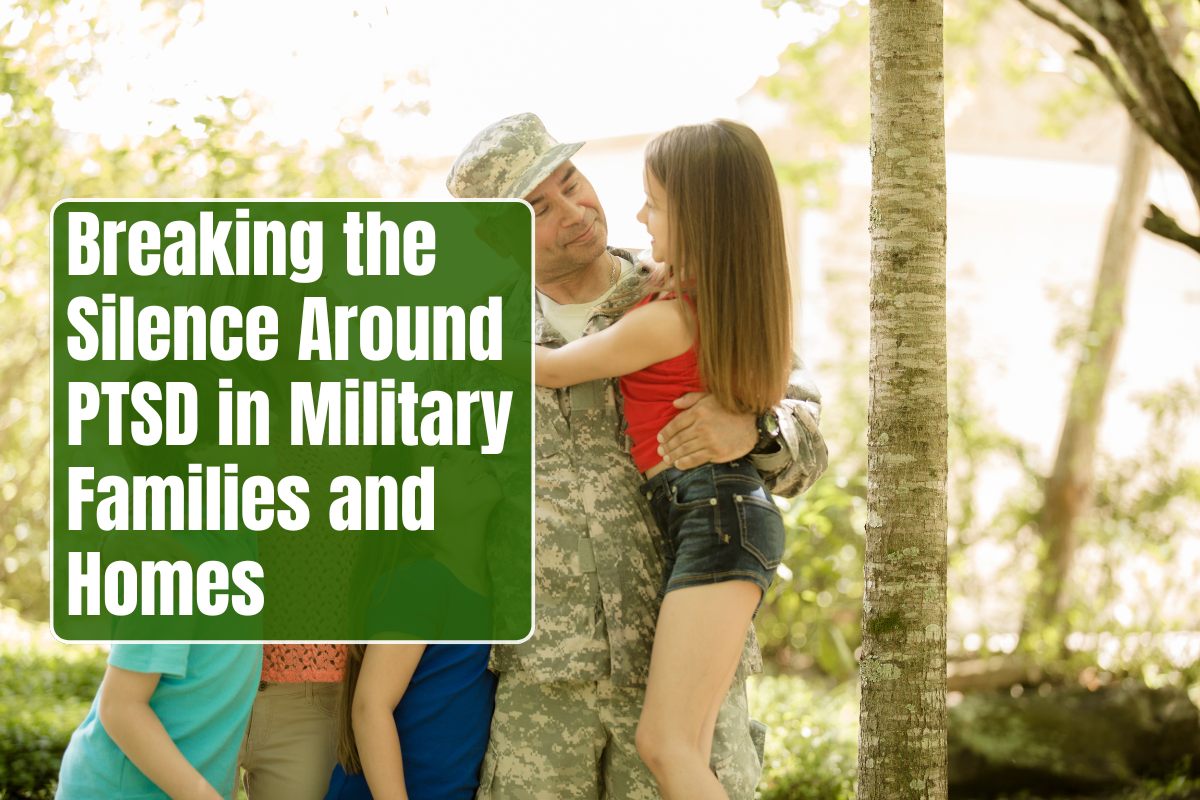
Post-traumatic stress disorder (PTSD) continues to cast a long shadow over many military families—not only over veterans who lived through trauma but also over their spouses and children who experience its ripple effects. Yet despite its prevalence, PTSD often remains a silent struggle behind closed doors. Breaking that silence within families and communities is one of the most powerful steps toward healing and hope.
Understanding PTSD in the Military Family Context
PTSD develops when a person experiences or witnesses a traumatic event—combat, assault, or serious injury—that overwhelms the brain’s ability to cope. Within military families, the disorder often reveals itself gradually after deployment. Veterans may struggle with nightmares, flashbacks, hypervigilance, irritability, or emotional numbness. These symptoms can lead to confusion, guilt, or shame, making many reluctant to discuss what they are feeling.
For family members, the effects are twofold. They see their loved one changed by experiences they were not part of, while also absorbing the stress of living in a home that can feel unpredictable. Spouses often describe feeling like they “lost” the person who came back from deployment, even though their partner is physically present. Children may sense that something is wrong but lack the language to express it.
The Cost of Silence at Home
Silence around PTSD manifests in many ways—avoiding discussions about trauma, dismissing emotional distress, or minimizing the need for help. This silence stems from fear of judgment, misunderstanding, or triggering painful memories. For veterans, it may be an attempt to protect loved ones; for families, it can reflect uncertainty about what to say or how to respond.
Over time, silence creates distance. Conversations become shallow, intimacy fades, and the emotional strain turns into resentment or isolation. Studies have shown that untreated PTSD in veterans significantly increases rates of marital conflict, substance abuse, and family dysfunction. In children, growing up in a household where trauma goes unspoken can lead to anxiety, withdrawal, or difficulty trusting others later in life.
When families suppress these discussions, the trauma continues to control the household instead of the household taking control of the trauma.
Why Speaking Up Changes Everything
Talking openly about PTSD doesn’t erase the pain, but it redefines it as something shared and manageable—not shameful or solitary. Families who begin speaking about symptoms often report an immediate sense of relief and renewed connection.
Communication helps veterans put chaotic memories into words, turning overwhelming sensations into understandable experiences. For spouses, it reduces guilt and confusion by showing that behaviors like emotional withdrawal or irritability stem from trauma, not love lost. For children, seeing adults discuss PTSD openly models emotional literacy and normalizes seeking help.
Within the broader community, breaking the silence encourages others to do the same. Support networks—from friends to churches to veteran organizations—can only extend help when they know it’s needed. Conversations act as bridges to counseling, peer groups, or medical care.
Overcoming Stigma and Misconceptions
Stigma remains one of the strongest barriers to open dialogue. In military culture, where resilience and discipline are core values, admitting to psychological distress can feel like weakness. Many veterans fear that acknowledging PTSD will damage their careers, reputation, or sense of identity.
Families may also carry misconceptions—believing PTSD means violence, instability, or permanent damage. These myths breed fear and avoidance instead of support. Education becomes a critical antidote. When families learn that PTSD is a common, treatable condition rather than a moral failing, compassion replaces stigma.
Community initiatives and awareness campaigns have begun reframing help-seeking as a form of strength—proof of courage to face and heal from invisible wounds.
The Role of Family Conversations and Support
Family communication is the cornerstone of breaking silence. Creating space for honest dialogue requires empathy, timing, and patience. Some ways families can foster openness include:
- Gentle invitation, not interrogation. Asking veterans about their feelings or experiences should come without pressure or expectation. Phrases like “I’m here whenever you’re ready” often work better than direct probing.
- Shared learning. Reading articles, attending family education programs, or watching VA informational videos together helps normalize discussion.
- Creating safe zones. Families might set aside time or spaces in the home where difficult conversations can occur without interruptions or judgment.
- Affirming support. Simple statements like “You’re not alone” or “What you’re feeling makes sense” remind veterans that their pain is seen and shared.
Family therapy or evidence-based practices like Cognitive Behavioral Conjoint Therapy (CBCT) teach these skills formally, helping partners communicate effectively and rebuild trust.
Building a Culture of Understanding
Breaking the silence around PTSD extends beyond individual families—it requires a community response. Schools, workplaces, and faith groups can play vital roles by:
- Promoting mental health literacy and normalizing help-seeking.
- Hosting veteran family support workshops or peer-led panels.
- Partnering with local VA or mental health centers to offer confidential screenings.
- Celebrating stories of recovery to replace narratives of stigma.
When dialogue becomes the norm, silence loses its power. Veterans and their families begin to realize they are part of a broader continuum of care, courage, and mutual understanding.
Pathways to Healing Together
Healing PTSD is not a solitary journey—it is a family mission. Recovery outcomes are significantly stronger when partners and relatives participate actively. Research shows that veterans whose families engage in therapy have higher treatment retention and greater symptom reduction. Emotional closeness enhances resilience, while shared coping strategies—mindfulness, spiritual support, fitness, and community involvement—rebuild normalcy.
Most importantly, breaking the silence affirms one unshakable truth: trauma may isolate, but love and empathy rebuild connection. Speaking up is the first and most courageous act of healing.
FAQs
Q1: Why do many military families avoid discussing PTSD?
Fear of judgment, lack of understanding, or the desire to protect loved ones often cause families to avoid discussing trauma, leading to greater isolation and miscommunication.
Q2: How does silence worsen PTSD symptoms?
Avoidance reinforces fear and detachment. Without communication, veterans remain trapped in cycles of shame or denial, and families suffer emotional distance or confusion.
Q3: What are healthy ways to start a conversation about PTSD?
Begin with empathy—express care and availability rather than demanding answers. Choose a calm moment, listen actively, and avoid minimizing the veteran’s emotions.
Q4: Can family involvement really improve treatment outcomes?
Yes. Studies from the VA show that when families join therapy, veterans are more likely to complete sessions and experience greater symptom reduction.
Q5: What if a veteran refuses to talk about PTSD?
Respect privacy but keep communication open. Encourage counseling gently, provide reading materials, or connect with veteran peer networks for guidance.
Q6: How can communities help reduce silence and stigma?
By promoting open discussions through veteran events, education campaigns, and mental health literacy programs that normalize seeking help as a sign of strength.