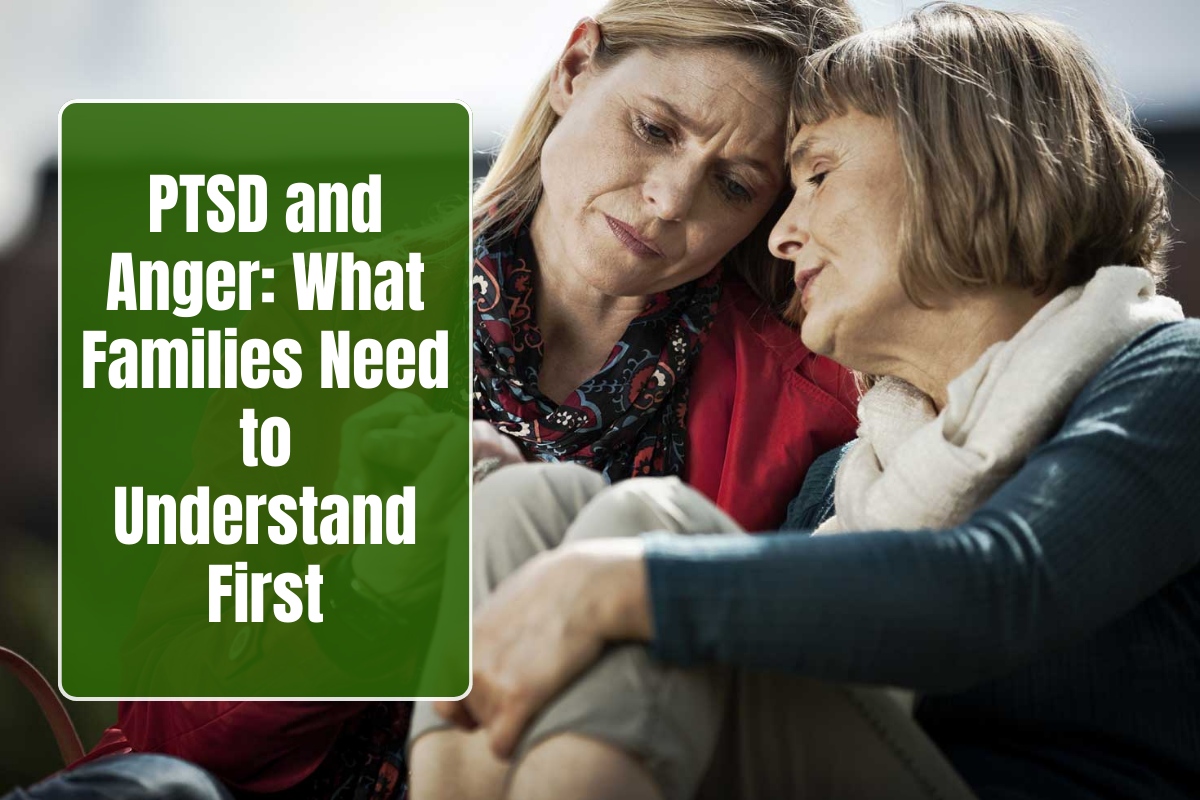
Coaching partners of veterans to encourage mental health treatment requires empathy, patience, and evidence-based strategies that address stigma and barriers like PTSD denial or access issues. Spouses play pivotal roles—often motivating initial steps—as studies show family encouragement boosts treatment engagement by 2-3x, with peer coaching enhancing symptoms and self-care. These tips empower partners to foster healing without pressure.
Understanding Barriers to Treatment
Veterans hesitate due to military stigma (“weakness”), distrust of civilians, or fear of judgment; 50-60% delay care, exacerbating PTSD, depression, or suicide risks (22/day). Partners face secondary trauma—anger, isolation—yet their validation cuts resistance.
Rural VA access and long waits compound issues; partners bridge gaps via Coaching into Care (1-888-823-2378), connecting to providers without forcing.
Building Trust Through Active Listening
Start conversations non-confrontationally: “I’ve noticed you’re stressed—want to talk?” Validate feelings (“That sounds tough”) without advice unless asked. MIRECC advises 10-20 minute sessions, minimizing distractions for openness.
Share stories: Watch Make the Connection videos together, relating to peers’ journeys, normalizing help-seeking. Avoid “snap out of it”—it invalidates; model vulnerability by discussing your stresses.
Gentle Encouragement Techniques
Frame treatment as strength: “Seeking help shows leadership—like mission prep.” Offer practical aid: “I’ll call to schedule or drive you?” WWP spouses recommend softer prompts (“Would you like company for that appointment?”) over demands.
Telephone peer coaching—VA trials show rural vets improve symptoms/quality via motivational interviewing from fellow vets. Partners use MI: reflect ambivalence (“Part of you wants relief, part fears change?”), evoking “change talk.”
Educating Without Overwhelm
Learn PTSD basics together: VA resources explain symptoms, reducing blame (“It’s the trauma, not you”). Attend family sessions—VA-CRAFT web + coaching engages vets via partners. NAMI’s 5 ways: share Crisis Line (988, press 1), normalize therapy as skill-building.
Joint programs like Open Arms workshops build buy-in; family therapy (CBT/EMDR) addresses bidirectional healing.
Self-Care for Partners
Burnout erodes support: set boundaries (“I’m here, but need space too”), join groups (WWP family coaching). SRQ Vets’ workshops foster communication; separate spouse’s trauma from yours.
Creating Safety Plans
Collaborate on plans: identify triggers, coping (grounding, calls), emergency contacts. Encourage ongoing: celebrate small steps (“Proud you attended”). Family involvement protects relationships, per studies.
Key Coaching Strategies
Frequently Asked Questions (FAQ)
1. How do I start the conversation?
Patiently: “I’ve noticed struggles—want support?” Use videos/peers; limit to 10-20 mins.
2. What if they resist?
Reflect ambivalence via MI; offer to attend first session—don’t force.
3. Free resources for partners?
Coaching into Care hotline, WWP family programs, VA Vet Centers.
4. Does family therapy help?
Yes—facilitates communication, addresses PTSD impacts together.
5. How to avoid burnout?
Set boundaries, join support groups, self-care—therapy for you too.