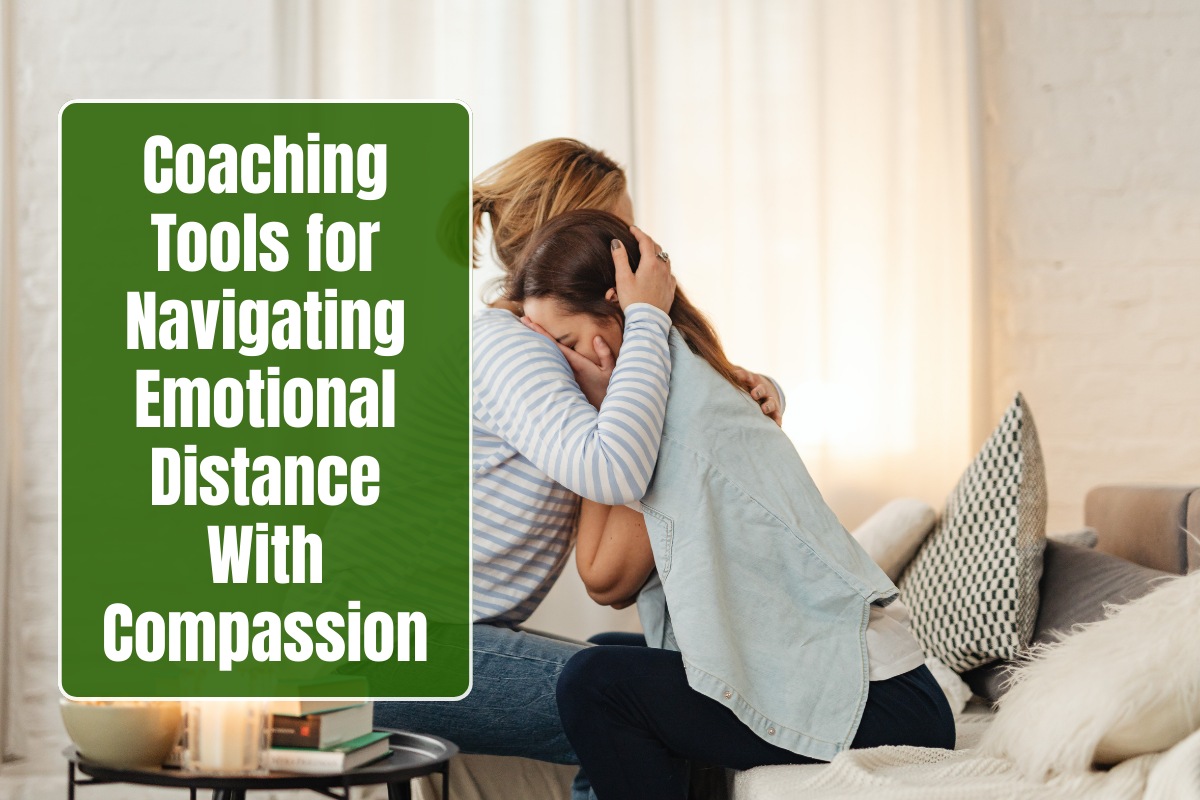
Emotional distance can quietly enter relationships during times of stress, change, or unresolved conflict. Whether it shows up as withdrawal, silence, or a sense of disconnection, emotional distance often signals unmet needs rather than a lack of care. Coaching tools focused on compassion help individuals and families navigate this space with curiosity instead of judgment, creating opportunities for reconnection and growth.
Understanding Emotional Distance Without Blame
One of the most important coaching principles is reframing emotional distance as information, not failure. People create distance for many reasons—self-protection, overwhelm, fear of conflict, or difficulty expressing emotions. When distance is interpreted as rejection or indifference, defensiveness grows and connection weakens.
Coaching encourages a mindset shift: instead of asking “What’s wrong with them?” ask “What might be happening for them?” This perspective reduces blame and opens the door to compassionate engagement.
Practicing Self-Regulation Before Engagement
Before addressing emotional distance with someone else, coaching emphasizes self-regulation. Strong emotions like hurt, frustration, or anxiety can unintentionally escalate conversations. Tools such as deep breathing, grounding exercises, or short pauses help calm the nervous system so responses are intentional rather than reactive.
When individuals approach conversations from a regulated state, they are more likely to listen openly, communicate clearly, and respond with empathy—key ingredients for rebuilding emotional safety.
Using Curious and Compassionate Communication
Curiosity is a core coaching tool. Instead of assumptions or accusations, coaches encourage open-ended, non-threatening questions. Phrases like “I’ve noticed we’ve felt a bit distant lately—how has that been for you?” invite dialogue rather than defensiveness.
Compassionate communication also includes reflective listening. Repeating back what you hear—without correcting or debating—helps the other person feel understood. Validation doesn’t require agreement; it simply acknowledges the emotional experience, which can soften distance and build trust.
Clarifying Needs and Boundaries
Emotional distance often grows when needs go unspoken. Coaching tools help individuals identify and articulate their needs clearly and respectfully. This might include needs for space, reassurance, consistency, or emotional support.
At the same time, healthy boundaries are essential. Compassion does not mean overextending or abandoning oneself. Coaches guide people to express boundaries calmly, using “I” statements and focusing on what supports connection rather than control. Clear needs and boundaries reduce misunderstandings and resentment.
Rebuilding Connection Through Small, Consistent Actions
Reconnection doesn’t usually happen through one big conversation. Coaching emphasizes small, consistent actions that rebuild emotional safety over time. Simple check-ins, shared routines, expressions of appreciation, or moments of presence can slowly bridge distance.
These actions work best when they are genuine and pressure-free. The goal is not to force closeness, but to create conditions where closeness can naturally return.
Accepting What You Can and Cannot Control
A compassionate coaching approach also includes acceptance. You can invite connection, express care, and show up consistently—but you cannot force someone to engage emotionally before they are ready. Letting go of control reduces frustration and allows space for organic change.
Focusing on personal growth, emotional awareness, and healthy responses ensures that compassion is extended both outward and inward, even if the distance takes time to shift.
FAQs
What causes emotional distance in relationships?
Emotional distance can stem from stress, unresolved conflict, burnout, fear of vulnerability, past experiences, or feeling misunderstood or overwhelmed.
How can I stay compassionate when I feel hurt or rejected?
Start with self-regulation and self-compassion. Acknowledge your feelings privately before engaging, and approach the situation with curiosity rather than assumptions.
Is giving space a form of emotional distance?
Not always. Healthy space can support regulation and clarity. Emotional distance becomes problematic when it replaces communication rather than supporting it.
What if the other person doesn’t want to talk?
Respect their readiness while keeping communication open. Express availability and care without pressure, and focus on what you can control—your responses and well-being.
Can coaching really help with emotional distance?
Yes. Coaching provides tools for awareness, communication, and boundary-setting that help individuals navigate distance with clarity, compassion, and resilience.