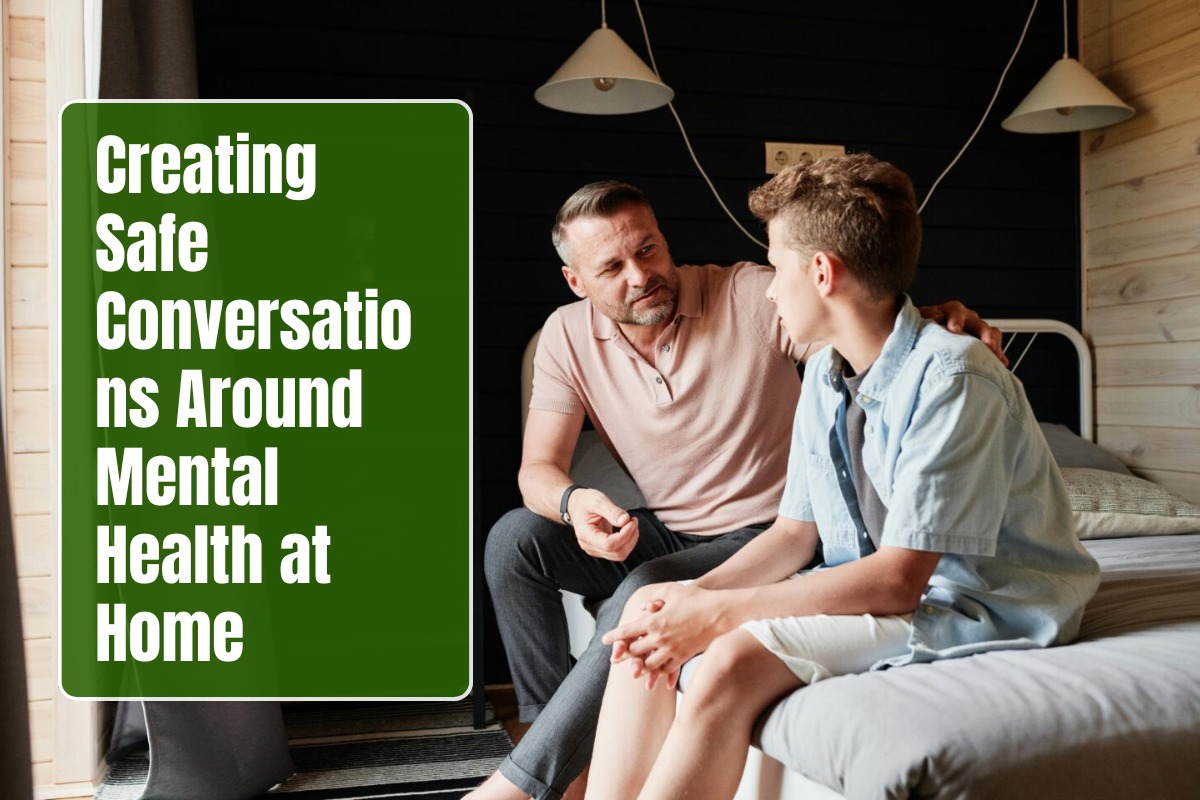
Mental health is an essential part of overall well-being, yet many families struggle to talk about it openly. Silence, stigma, or fear of saying the wrong thing can prevent meaningful conversations from happening at home.
Creating a safe environment where mental health can be discussed with honesty, empathy, and respect helps strengthen relationships, reduces isolation, and supports emotional resilience. This article explores practical ways families can create safe conversations around mental health at home and build a culture of understanding and support.
Understanding What “Safe Conversations” Really Mean
A safe conversation about mental health is not about fixing problems or offering perfect advice. It is about creating a space where people feel heard, respected, and accepted without judgment. Emotional safety allows individuals to express thoughts, fears, and struggles without worrying they will be criticized, dismissed, or misunderstood.
This kind of environment encourages honesty. It sends a clear message: emotions are valid, vulnerability is welcome, and no one has to face challenges alone. Over time, this openness strengthens trust and deepens family bonds.
Leading With Empathy and Active Listening
Empathy is the foundation of any meaningful mental health conversation. When someone opens up, they need understanding more than solutions. Families can practice active listening by giving full attention, maintaining eye contact, and responding with compassion rather than interruption.
Phrases like “That sounds really hard,” or “I’m glad you told me,” can be incredibly powerful. Avoid rushing to give advice or trying to “fix” the situation immediately. Often, being truly heard is more healing than any solution.
Normalizing Emotions in Everyday Life
Safe conversations become easier when emotions are treated as a normal part of life, not something to hide. Families can normalize mental health discussions by casually talking about stress, anxiety, sadness, joy, and overwhelm in everyday situations.
For example, parents can model openness by saying, “I had a tough day and felt anxious, so I took a walk to calm down.” This shows children and other family members that emotional struggles are normal and manageable. Normalization reduces shame and makes it easier for others to speak up.
Avoiding Judgment and Minimization
One of the fastest ways to shut down a conversation is through judgment or minimization. Statements like “You’re overreacting,” “It’s not that bad,” or “Others have it worse” can make someone feel misunderstood and emotionally unsafe.
Instead, families should focus on validating feelings, even if they do not fully understand them. Validation does not mean agreeing with everything; it simply means acknowledging that the person’s emotional experience is real and important.
Creating Regular Opportunities for Connection
Mental health conversations are more likely to happen naturally when families spend quality time together. Shared meals, evening check-ins, walks, or weekly family time can provide relaxed opportunities for connection.
Rather than waiting for a crisis, families can make emotional check-ins part of their routine. Simple questions like “How are you really feeling lately?” or “What’s been on your mind this week?” open the door to deeper conversations without pressure.
Respecting Boundaries and Personal Pace
Not everyone is ready to talk openly at the same time. Creating safe conversations also means respecting boundaries. If someone is not ready to share, pushing them can cause them to withdraw further.
Families can offer support by saying, “I’m here whenever you want to talk,” instead of demanding immediate openness. Respecting autonomy builds trust, and often, people open up more when they feel in control of the conversation.
Encouraging Support Without Forcing It
While home conversations are powerful, there may be times when professional support is helpful. Safe family environments can gently normalize the idea of outside support without pressure or stigma.
Talking about therapy, counseling, or mental health resources as normal tools for well-being—just like visiting a doctor for physical health—can make it easier for family members to seek help when they are ready.
Frequently Asked Questions
Why is it important to talk about mental health at home?
Open conversations reduce stigma, strengthen relationships, and help family members feel supported rather than isolated when they are struggling.
What if I’m afraid of saying the wrong thing?
You don’t need perfect words. Listening with empathy, showing care, and being present are more important than giving the “right” advice.
How can parents model healthy mental health conversations?
Parents can share their own feelings appropriately, talk about coping strategies, and show that emotions are normal and manageable parts of life.
What should I avoid during mental health conversations?
Avoid judgment, minimizing feelings, interrupting, giving unsolicited advice, or trying to “fix” the person instead of listening.
How do I support someone who doesn’t want to talk?
Respect their boundaries while letting them know you are available whenever they feel ready. Gentle consistency builds trust over time.
Can talking at home replace professional mental health support?
Supportive conversations at home are valuable but may not replace professional care when needed. A healthy home environment can make seeking help feel safer and more acceptable.