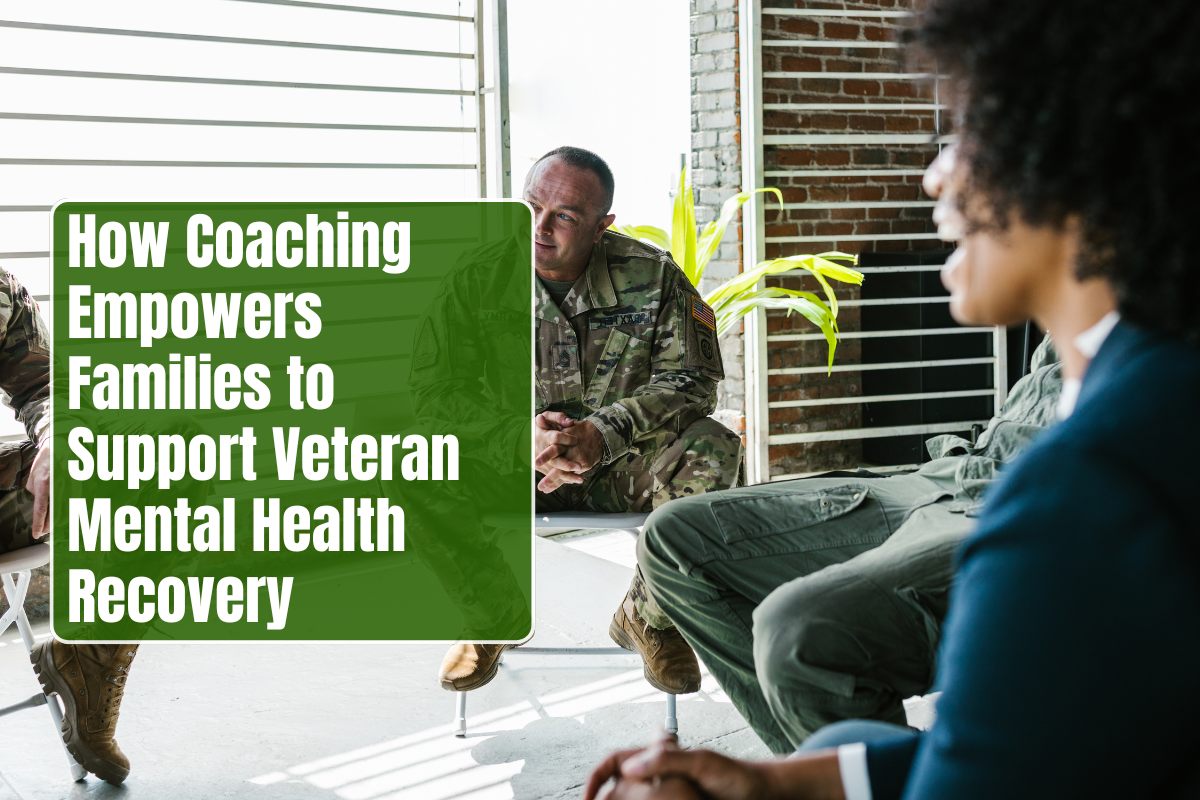
Coaching equips families with skills, knowledge, and confidence to guide veterans toward mental health recovery, transforming supporters from bystanders into active allies. Programs like VA’s Coaching Into Care provide tailored strategies, boosting family engagement and veteran treatment uptake while reducing caregiver burnout. This empowerment fosters resilient family units, yielding better outcomes in PTSD, depression, and reintegration.
Building Knowledge of Mental Health Challenges
Coaching starts with education on symptoms like PTSD hypervigilance or depression withdrawal, helping families reframe behaviors as treatable rather than personal failings. Families learn VA therapies—CBT, PE, medication—tailored to veteran preferences, countering fears of symptom worsening or stigma. In Coaching Into Care, callers gain insights during 10-30 minute sessions, enabling informed encouragement without pressure.
This knowledge empowers proactive steps: recognizing suicide risks or substance cues early, as in NAMI Family-to-Family programs teaching eight sessions on conditions and coping. Empowered families motivate veterans 57 times more likely to engage care, per MHFA training data.
Enhancing Communication and Motivation Skills
Coaches teach motivational interviewing (MI) techniques—open questions, reflections, readiness scaling—to elicit veteran “change talk” aligned with values like duty or family provision. Families practice scripts: “What would trying therapy mean for us?” avoiding confrontation that triggers resistance. Results show increased veteran appointments post-coaching, as one spouse succeeded after prior failures.
Active listening and empathy-building reduce demand/withdraw cycles, with peer support activities enhancing holistic well-being for all. Programs like inTransition offer confidential coaching for transitioning families, strengthening bonds during high-stress periods.
Providing Practical Tools and Resources
Families receive resource navigation: VA hotlines, telehealth, community groups, easing access barriers like rural distance or work conflicts. Coaches recommend self-care for caregivers—support groups, Operation Family Caregiver workshops—to sustain involvement without exhaustion. Wellness coaching via partnerships like Operation Healing Forces delivers virtual sessions on anxiety, aggression, and relapse prevention.
Digital tools like PTSD Coach apps allow joint practice of coping skills, bridging to professional care.[ from prev] Family therapy integrates these, resolving conflicts and setting boundaries for long-term sobriety.
Fostering Emotional Resilience and Accountability
Empowerment shifts families from worry to action, with coaches affirming progress to build self-efficacy. Veterans thrive in substance-free homes with accountability check-ins, improving retention as families model healthy habits. Studies link family involvement to better mental health metrics, including reduced isolation via shared recovery narratives.
Give an Hour’s no-cost counseling and peer groups train families on unique military challenges, promoting sustained healing. This holistic approach prevents relapse by addressing trauma’s relational impacts.
Measuring Impact and Long-Term Benefits
Coaching correlates with higher VA mental health access, with callers reporting relational improvements and veteran motivation. Secondary gains include caregiver mood lifts and family unity, as in empowerment programs stimulating responsibility and autonomy. Peer-led activities yield well-being across generations, per reviews of 27 studies.
Scalable via phone or groups, these interventions suit busy lives, proving families as recovery cornerstones. Sustained use yields employment reintegration and emotional stability.
Coaching turns family concern into empowered partnership, accelerating veteran recovery through education, skills, and resources. Programs demonstrate ripple effects: healthier veterans, resilient supporters, stronger homes.
FAQ
Q1. How does coaching help families start tough conversations?
It provides scripts, MI techniques, and symptom education for supportive approaches, increasing success rates as in Coaching Into Care cases.
Q2. What resources do coached families access?
VA telehealth, crisis lines, NAMI classes, caregiver workshops, and apps for seamless veteran support.
Q3. Does family coaching improve veteran treatment adherence?
Yes—empowered families boost engagement via accountability and motivation, linked to better outcomes.
Q4. Can coaching prevent caregiver burnout?
Absolutely—self-care training and boundaries sustain supporters, as in Operation Family Caregiver.
Q5. How quickly do families see recovery progress?
Often within weeks via skill practice; long-term gains in months, per peer support evaluations.