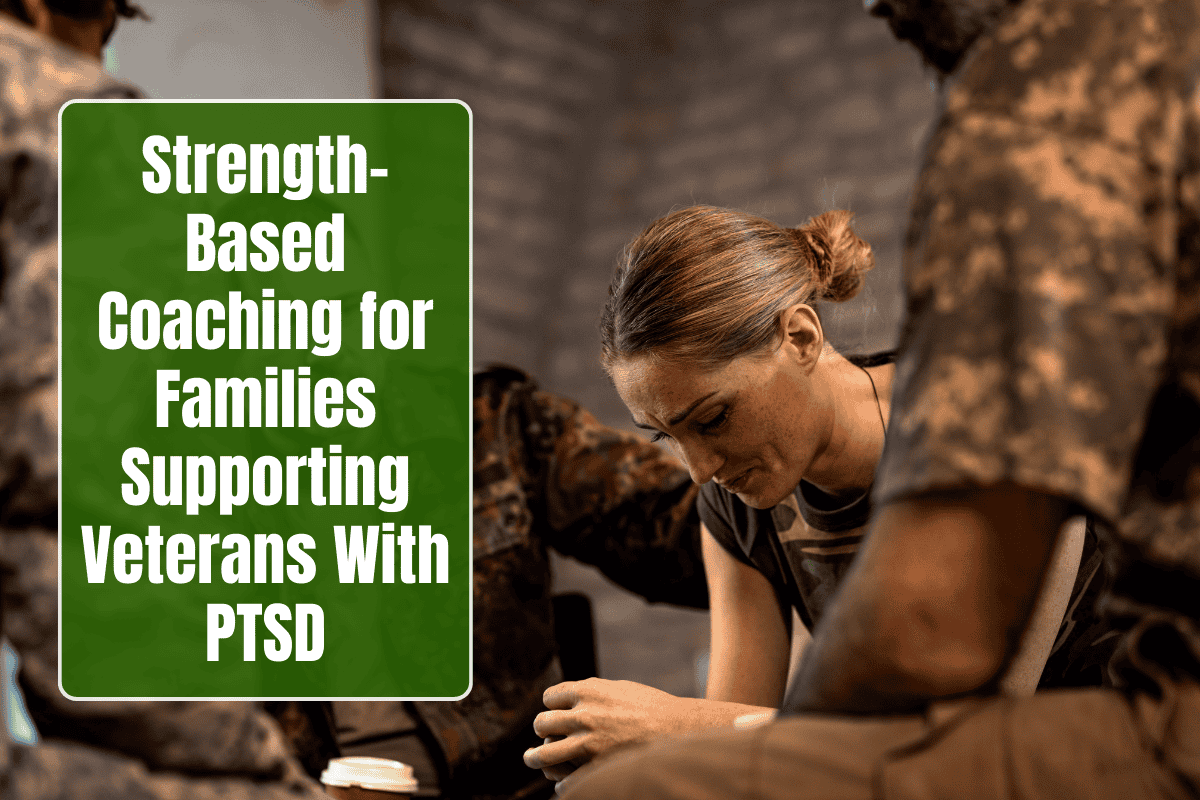
Coaching provides families facing PTSD and mental health challenges with structured, non-clinical guidance to build resilience, improve communication, and manage daily stressors effectively.
Unlike therapy, it empowers through goal-setting, skill-building, and practical tools, helping loved ones support the affected member while prioritizing self-care. Apps like PTSD Family Coach and trauma-informed coaching models offer accessible strategies, reducing isolation and enhancing family dynamics amid symptoms like hypervigilance or withdrawal.
Understanding Coaching’s Role in PTSD Families
Coaching focuses on present strengths and future actions, teaching families to recognize triggers, validate emotions, and create safety plans without diagnosing. For PTSD households, it normalizes reactions—flashbacks or irritability—through psychoeducation, fostering empathy over frustration. VA’s PTSD Family Coach app delivers 24 tools like mindfulness and stress trackers, enabling self-paced learning tailored to veterans’ families.
This approach complements therapy, with coaches facilitating routines that restore stability disrupted by trauma.
Building Communication and Emotional Intelligence
Coaches guide active listening and “I” statements to de-escalate conflicts, turning arguments into collaborative problem-solving. Families learn to validate feelings—”I see this is hard for you”—reducing secondary trauma for caregivers. Techniques like the Feelings Wheel enhance emotional literacy, helping children express fears safely.
Sessions role-play responses to episodes, strengthening bonds strained by avoidance or anger.
Developing Practical Coping Strategies
Coaches co-create plans: grounding exercises (deep breathing, sensory focus) during crises, or schedules minimizing triggers like crowds. They promote healthy habits—sleep hygiene, exercise—lowering overall anxiety. Family meetings using GROW models (Goals, Reality, Options, Will) address shared challenges, from parenting amid hypervigilance to rebuilding trust.
Apps track progress, providing feedback on stress levels for sustained gains.
Self-Care and Burnout Prevention for Caregivers
Family members receive tools for resilience: mindfulness, social reconnection, and boundary-setting to avoid enabling avoidance. Coaches emphasize “putting on your oxygen mask first,” with exercises rebuilding support networks eroded by isolation. This prevents compassion fatigue, common in 40-70% of PTSD caregivers.
Balanced self-care models collective healing, sustaining long-term support.
Integrating Technology and Trauma-Informed Tools
PTSD Family Coach offers modules on symptoms, relationships, and treatment advocacy, with audio guides for relaxation. Trauma-informed coaching principles—safety, choice, empowerment, collaboration—ensure sessions respect pacing, avoiding re-traumatization. Virtual formats suit busy families, with progress tracking via validated scales.
These resources democratize access, especially for rural or veteran households.
Enhancing Family Resilience and Treatment Engagement
Coaching boosts therapy adherence by educating on CBT/EMDR benefits and role-playing encouragement scripts. It fosters post-traumatic growth through strengths focus, with families reporting improved dynamics and reduced symptoms. Studies show coached families cut dropout rates, amplifying recovery.
Long-term, it builds adaptive patterns, turning trauma into shared strength.
FAQ
Q1: How does coaching differ from therapy for PTSD families?
A: Focuses on present goals and skills, not diagnosis; empowers via tools like PTSD Family Coach app.
Q2: What communication skills does it teach?
A: Active listening, “I” statements, and Feelings Wheel to validate emotions and de-escalate.
Q3: How helps with daily coping?
A: Custom plans for triggers, routines via GROW model, and habit-building for stability.
Q4: Why prioritize caregiver self-care?
A: Prevents burnout in 40-70% via mindfulness and boundaries, sustaining family support.
Q5: What outcomes from coaching?
A: Better dynamics, therapy adherence, and post-traumatic growth per studies.