Post-Traumatic Stress Disorder (PTSD) doesn’t only affect the person who experienced trauma—it shapes the entire household. Families play a powerful role in either easing daily stressors or unintentionally amplifying them. With empathy, structure, and practical strategies, a home can become a place of safety and healing rather than tension and unpredictability.
Understanding PTSD and Its Impact on Family Life
PTSD can show up as hypervigilance, avoidance, mood swings, sleep disruption, or emotional numbness. Inside the home, these symptoms may look like irritability, withdrawal, sudden anger, or difficulty participating in family routines. Loved ones can feel confused, rejected, or helpless if they don’t understand what’s happening.
Education is the first step. When families learn that these reactions are symptoms—not choices or character flaws—they’re better equipped to respond with patience. Understanding reduces blame and opens the door to compassionate problem-solving.
Creating a Safe and Predictable Home Environment
Predictability helps calm a nervous system stuck in “fight or flight.” Simple routines—consistent meal times, bedtime rituals, and clear plans for the day—can lower anxiety for everyone. Letting family members know about schedule changes in advance can prevent overwhelm.
Physical space matters too. Reduce sensory overload by keeping noise levels manageable, minimizing clutter, and offering a quiet retreat where the person with PTSD can decompress. Even small adjustments—soft lighting, calming music, or agreed-upon “quiet hours”—can make a meaningful difference.
Communicating With Empathy and Clarity
Open, respectful communication is essential. Speak calmly, avoid sudden confrontations, and choose timing wisely—difficult conversations are best held when everyone is regulated. Use “I” statements (“I feel worried when…”) rather than accusations (“You always…”).
Listening is just as important as talking. Validate feelings even if you don’t fully understand them. Phrases like “That sounds really hard” or “I’m here with you” help build trust and reduce isolation. When conflict arises, take breaks if emotions escalate and return to the discussion later.
Supporting Healthy Coping Strategies
Families can encourage coping tools without pressuring or policing. Gentle reminders to use grounding techniques, breathing exercises, or physical activity can help regulate stress. Participating together—taking walks, practicing mindfulness, or doing creative activities—strengthens connection and normalizes self-care.
Sleep is often disrupted with PTSD. Support healthy sleep habits by keeping evenings calm, limiting screens late at night, and respecting sleep boundaries. Nutrition and hydration also play roles in emotional regulation, so shared meals can become both nourishing and grounding.
Balancing Support With Boundaries
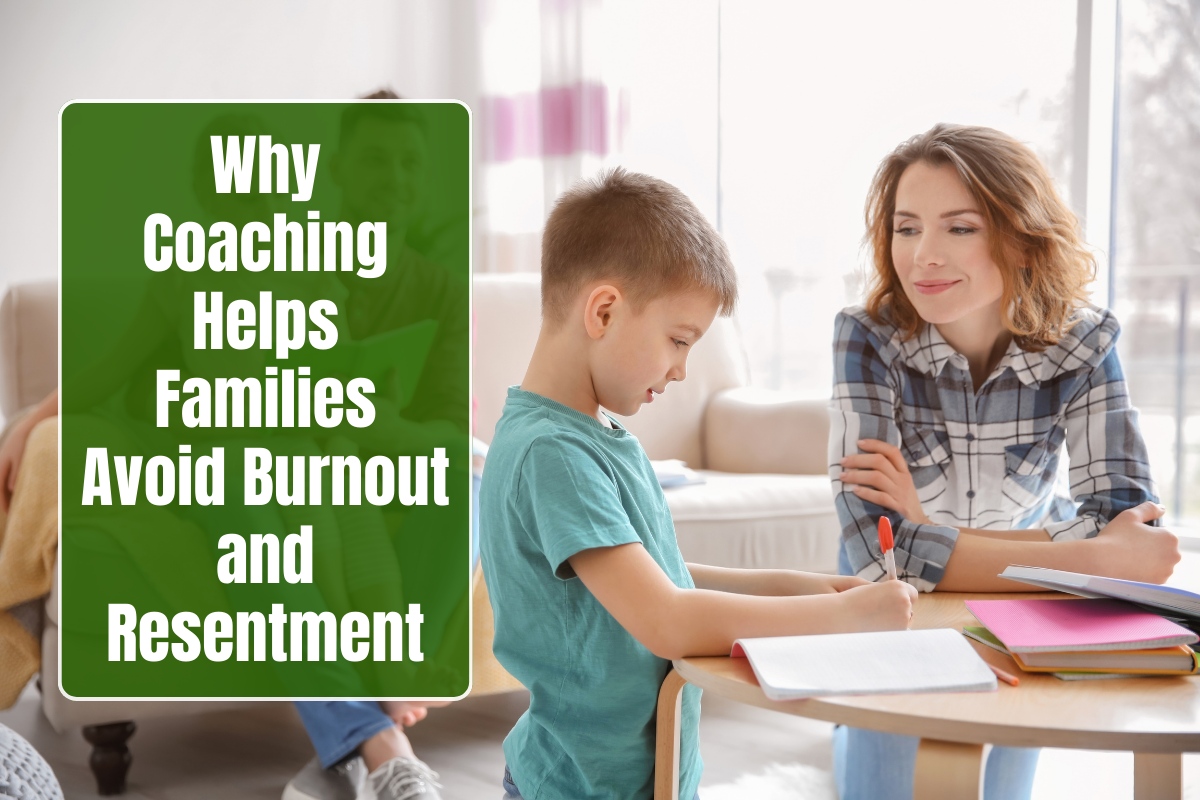
Support doesn’t mean self-sacrifice. Family members need boundaries to avoid burnout and resentment. It’s okay to say no, ask for help, and protect your own well-being. Healthy boundaries actually model stability and resilience.
Encourage professional help when appropriate, such as therapy or support groups. Families can attend sessions together if invited, but they shouldn’t try to act as therapists. Healing is a shared journey, but responsibility doesn’t rest on one person alone.
FAQs
What should families avoid saying to someone with PTSD?
Avoid minimizing statements like “Just move on” or “It could be worse.” These can feel invalidating. Instead, focus on listening and acknowledging their experience.
How can children be supported when a parent has PTSD?
Use age-appropriate explanations, maintain routines, and reassure children that they are safe. Encourage them to express feelings and seek additional support if needed.
Is it okay to talk about triggers at home?
Yes, when done respectfully. Discussing triggers calmly can help families avoid them when possible and plan supportive responses when avoidance isn’t realistic.
What if the person with PTSD refuses help?
You can’t force treatment, but you can express concern, share resources, and model healthy coping. Taking care of yourself remains essential.
Can families recover together from the effects of PTSD?
Absolutely. With understanding, communication, and the right support, families often grow stronger and more connected through the healing process.