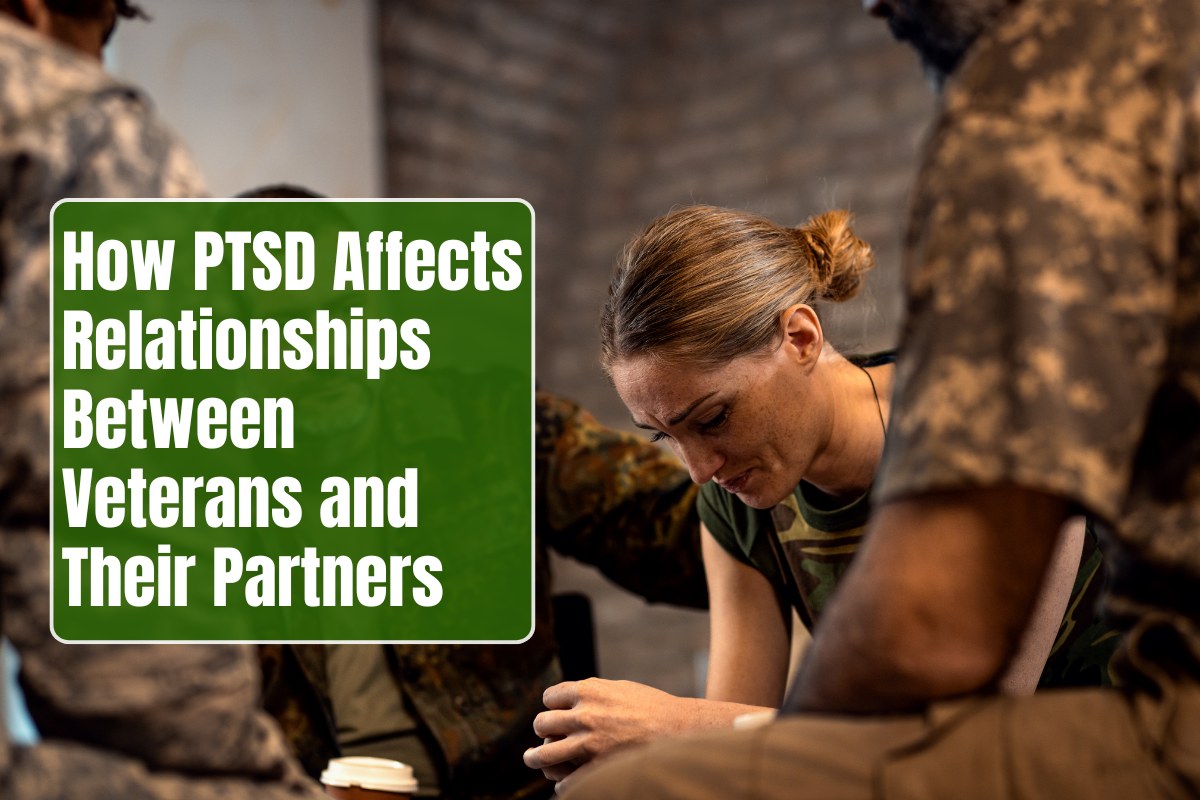
Post-traumatic stress disorder (PTSD) profoundly strains relationships between veterans and their partners, often leading to emotional distance, communication breakdowns, and higher divorce rates. These challenges stem from PTSD symptoms like emotional numbing and hyperarousal, which disrupt intimacy and daily interactions, yet targeted support can foster resilience and reconnection.
Core PTSD Symptoms Disrupting Partnerships
Veterans with PTSD experience four symptom clusters that directly erode partnership quality: re-experiencing trauma through flashbacks or nightmares, avoidance of reminders, negative alterations in mood and cognition, and hyperarousal marked by irritability and hypervigilance. Emotional numbing, a key feature of negative mood changes, stands out as particularly damaging, causing veterans to withdraw emotionally and struggle with expressing affection or vulnerability.
Partners often perceive these symptoms differently from veterans, with greater discrepancies in views of numbing and hyperarousal linked to lower relationship satisfaction for both. For instance, veterans may underreport symptoms, while partners observe daily impacts like detachment, leading to misunderstandings and resentment. Hyperarousal fuels irritability and anger outbursts, turning minor disagreements into intense conflicts and increasing psychological aggression during discussions.
Communication and Emotional Barriers
PTSD hampers open sharing, with veterans disclosing fewer thoughts and feelings compared to those without the disorder, fostering isolation in the relationship. This reduced self-disclosure, especially tied to avoidance symptoms, mediates intimacy problems, as partners feel shut out from their loved one’s inner world. Partners report heightened anxiety around emotional closeness, sensing the veteran’s numbness as rejection or indifference.
Verbal aggression rises in couples where veterans have PTSD, with both partners displaying more hostility and less acceptance or humor during conflicts. Poor communication skills, exacerbated by trauma-related filtered attention to threats, perpetuate cycles of blame and withdrawal. Over time, this erodes trust, as partners navigate “walking on eggshells” to avoid triggers, stifling authentic dialogue.
Intimacy and Sexual Challenges
Intimacy suffers significantly, with combat veterans with PTSD reporting higher sexual dysfunction, lower interest, and greater anxiety around physical closeness than non-PTSD peers. Emotional numbing uniquely predicts partners’ desires for change in intimacy behaviors, as veterans struggle to connect physically or emotionally during shared activities. This detachment often leaves partners feeling unloved, amplifying loneliness despite physical presence.
Studies confirm bidirectional effects: PTSD symptoms correlate with partners wanting veterans to engage more in couple activities, yet numbing restricts participation, creating a feedback loop of disconnection. For female veterans, similar patterns emerge, though research focuses more on male veterans’ partners, who report parallel intimacy worries.
Heightened Conflict and Aggression Risks
Veterans with PTSD perpetrate more psychological and physical aggression toward partners, with rates up to 63% for some physical acts in the past year, far exceeding general population norms. Hyperarousal symptoms strongly predict this aggression, mediated by poor anger regulation, even after accounting for combat exposure or comorbidities like depression. Families experience more violence overall, with partners of PTSD veterans reporting higher physical and verbal abuse.
Divorce rates double for veterans with PTSD compared to trauma-exposed peers without it, and they are three times more likely to divorce multiple times. Conflict behaviors observed in lab settings show both partners escalating hostility, underscoring PTSD’s dyadic impact. Comorbid substance use or depression worsens these risks, straining the relationship further.
Partner’s Emotional and Caregiving Toll
Partners face secondary traumatization from absorbing PTSD symptoms, reporting higher anxiety, depression, and social isolation. Caregiver burden intensifies as partners shoulder more household duties, child-rearing, and trigger management, leading to resentment and unmet personal needs. Vietnam-era studies found partners of PTSD veterans had lower life satisfaction and well-being, a pattern holding for male partners of female veterans too.
Accommodation behaviors—such as avoiding topics or handling all responsibilities—reinforce veterans’ avoidance while eroding partners’ satisfaction. This dynamic creates ambiguous loss, where partners grieve the “pre-trauma” spouse while caring for the present one.
Pathways to Recovery and Reconnection
Evidence-based couple therapies like Cognitive-Behavioral Conjoint Therapy (CBCT) for PTSD target symptoms and relationship skills simultaneously, yielding large improvements in PTSD severity and satisfaction. Behavioral Conjoint Therapies enhance communication, reduce avoidance, and address numbing, with pilots showing gains in intimacy and conflict management. VA programs offer couples counseling, psychoeducation, and groups to normalize challenges and build coping.
Practical steps include establishing safety plans for conflicts, practicing structured disclosure, and prioritizing shared routines to counter numbing. Partners benefit from individual support to manage burden, while joint education reframes PTSD as a treatable condition, not a character flaw. Longitudinal gains emerge when both address trauma perceptions, fostering mutual understanding.
FAQs
Q1: Why do veterans with PTSD withdraw emotionally from partners?
Emotional numbing and avoidance symptoms block feelings of love or closeness, making veterans appear detached despite valuing the relationship.
Q2: Does PTSD increase divorce risk in veteran couples?
Yes, veterans with PTSD divorce at twice the rate of trauma-exposed peers without it and are three times more likely to divorce multiple times.
Q3: Can partners develop their own mental health issues?
Partners often experience secondary traumatization, anxiety, depression, and caregiver burden from living with PTSD symptoms and violence risks.
Q4: Which PTSD symptoms most harm intimacy?
Emotional numbing uniquely predicts partners’ dissatisfaction with intimacy and shared activities, beyond other clusters like hyperarousal.
Q5: What treatments help couples recover together?
CBCT and Behavioral Conjoint Therapies improve PTSD symptoms, communication, and satisfaction; VA offers couples counseling and psychoeducation.
Q6: How can partners support without enabling avoidance?
Learn PTSD via resources, set boundaries on accommodation, encourage professional help, and use safety plans during conflicts.