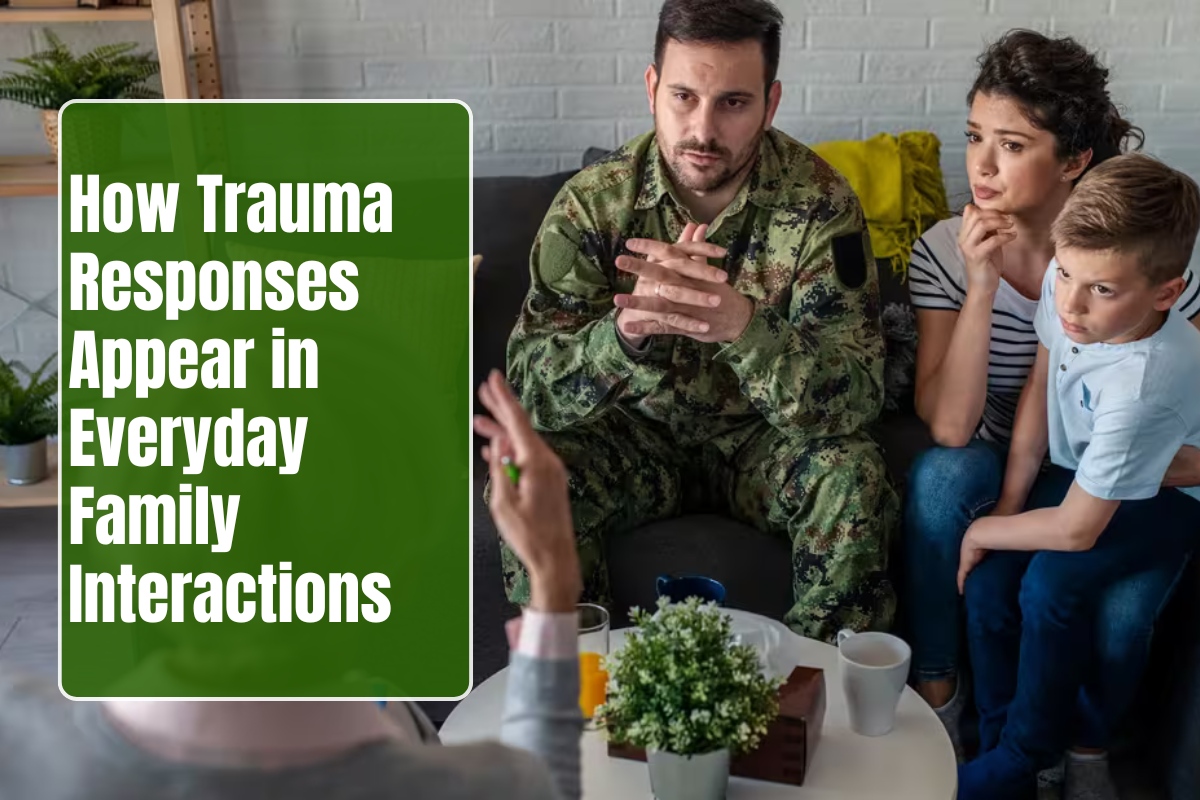
Trauma, whether stemming from childhood experiences, domestic violence, loss, or other forms of adversity, can profoundly affect a person’s behavior and emotional well-being. For many, the impact of trauma doesn’t end when the traumatic event occurs—it often persists long-term, influencing how individuals interact with others, including their family members.
Trauma responses can manifest in everyday family interactions, often without either party fully understanding the underlying cause of the behavior. These responses can disrupt communication, create misunderstandings, and strain relationships, making it difficult for families to navigate day-to-day life.
Understanding Trauma and Trauma Responses
Trauma is the emotional, psychological, and physiological reaction to a deeply distressing or disturbing event. Everyone responds to trauma differently, and these responses can manifest in a variety of ways, from emotional numbing to hyperarousal. In a family setting, trauma responses often involve:
- Fight: Reactive, defensive, or combative behavior.
- Flight: Avoidance, withdrawal, or emotional distance.
- Freeze: Dissociation, paralysis, or emotional shutdown.
- Fawn: People-pleasing, submitting, or appeasing others to avoid conflict.
These responses are natural survival mechanisms, but when they become ingrained or triggered by everyday situations, they can impact family dynamics and hinder emotional connection and communication.
1. Increased Irritability or Aggression
A common trauma response is heightened irritability or aggression. Family members who have experienced trauma might find themselves reacting strongly to relatively minor stressors or disagreements. This can take the form of outbursts of anger, verbal attacks, or physical aggression. What seems like an overreaction may be the result of the person feeling triggered, even if the immediate situation doesn’t warrant such a strong response.
For example, a person who has experienced abuse might react aggressively during a mild conflict over household chores, even though the real issue may be an underlying fear or anxiety connected to their past trauma. In families, this can lead to cycles of conflict, as individuals misinterpret these responses as intentional or malicious, when in fact they are defense mechanisms.
2. Avoidance or Emotional Withdrawal
Trauma can lead individuals to withdraw emotionally or physically from their family members. Those who have experienced trauma might struggle to engage in meaningful conversations, or they may avoid certain topics altogether, particularly if they are associated with past hurt.
This withdrawal can be perceived as coldness or lack of interest by other family members, but it is often a coping mechanism to protect oneself from emotional overload. For example, a parent who has experienced loss may withdraw during family gatherings to avoid being reminded of their grief. This withdrawal can lead to feelings of isolation and misunderstanding, making it hard for family members to connect emotionally.
3. Hypervigilance and Overprotectiveness
Another trauma response that often appears in family interactions is hypervigilance. This manifests as heightened awareness of potential threats or danger, leading individuals to be overly cautious or protective, particularly of children or loved ones.
A parent who has experienced trauma may become excessively worried about their children’s safety, constantly checking on them or making overly strict rules. This overprotectiveness might come across as controlling or intrusive, causing tension in the family. Additionally, hypervigilance can lead to misunderstandings, where family members feel that their actions are being scrutinized or judged.
4. Difficulty Expressing or Understanding Emotions
For many who have experienced trauma, expressing emotions or understanding their emotional responses can be challenging. A person might struggle with verbalizing what they feel or may respond to emotional cues in a family setting with confusion or a lack of empathy.
In family interactions, this can look like emotional detachment, difficulty comforting others, or avoiding emotional conversations. A spouse might find it hard to empathize with their partner’s emotions or might react inappropriately to emotional expressions, causing further distress. This can lead to feelings of frustration and alienation for both the person with trauma and their loved ones.
5. Parenting Challenges and Role Reversal
Trauma can impact how individuals approach parenting, leading to challenges in family roles and dynamics. In some cases, trauma survivors may struggle to set boundaries or provide appropriate emotional support to their children. In other cases, trauma survivors may become overly permissive or neglectful as a way to avoid confronting their own painful experiences.
One example of this is when children assume adult-like responsibilities in the family, such as becoming emotional caretakers for their parents (role reversal). This dynamic is common when parents struggle to fulfill their emotional or caregiving responsibilities due to trauma. Children may take on the role of comforting or protecting their parents, which can disrupt healthy family boundaries and lead to long-term relational issues.
6. People-Pleasing and People-Displeasing Behaviors (Fawning and Flight Responses)
Some individuals may develop people-pleasing behaviors (fawning) or extreme conflict avoidance (flight) as responses to trauma. These behaviors often appear in family settings when an individual’s primary concern becomes avoiding conflict or seeking approval from others, even at the expense of their own needs or well-being.
A child or spouse who constantly seeks to please a parent or partner, even when it is detrimental to their own emotional health, may struggle with assertiveness and self-advocacy. Alternatively, someone who has experienced trauma may avoid family interactions entirely, leading to a breakdown in communication and a sense of disconnection.
7. Dissociation and Emotional Numbing
Dissociation, or emotionally “shutting down,” is another common response to trauma. It occurs when an individual distances themselves from overwhelming emotions or memories, either by withdrawing mentally or physically from the situation.
In family interactions, this can look like someone being physically present but emotionally absent. For instance, a person may sit through a family event without engaging or might seem detached or aloof, making it difficult for others to connect with them. This numbing effect can lead to frustration for family members who do not understand why the individual is unresponsive or emotionally distant.
How to Support Family Members Affected by Trauma
Recognizing and understanding trauma responses is essential for fostering empathy and healthy communication in the family. Here are a few steps families can take to support loved ones affected by trauma:
- Open communication: Create a safe space where family members can talk about their feelings and experiences without judgment. Encourage honest conversations about emotional struggles, and allow time for healing.
- Seek professional help: Trauma often requires professional therapy or counseling. Family members should encourage individuals to seek therapy and offer support in finding resources.
- Set healthy boundaries: Establish boundaries that respect each person’s emotional and mental needs. This includes giving space when needed, while also maintaining communication and understanding.
- Practice patience and empathy: Recognize that trauma responses are not personal attacks or intentional behaviors. Approach family members with kindness and a willingness to listen, even when their responses seem difficult to understand.
Trauma responses in family interactions are not always obvious, but they can deeply impact relationships and overall family dynamics. Recognizing the signs of trauma and understanding how these responses manifest—whether through irritability, withdrawal, hypervigilance, or emotional numbness—can help family members offer better support and foster a healthier environment for healing and growth. With empathy, communication, and appropriate professional help, families can navigate the complexities of trauma and rebuild stronger, more connected relationships.
FAQs
What is a trauma response in a family setting?
A trauma response is an emotional or behavioral reaction to past traumatic experiences that affects how individuals interact with family members. It can manifest as aggression, withdrawal, emotional numbness, or hypervigilance.
How can trauma responses affect family relationships?
Trauma responses can cause misunderstandings, conflict, emotional distance, or strained communication in families, making it difficult for family members to connect and support each other.
What should I do if a family member shows signs of trauma?
Encourage open communication, offer support, set healthy boundaries, and consider seeking professional help to address the emotional needs of the family member.
Can trauma responses change over time?
Yes, with proper therapy, support, and time, trauma responses can be managed and reduced. Healing is an ongoing process, and family members play a vital role in supporting recovery.
What resources can help families dealing with trauma?
Therapists specializing in trauma, support groups, family counseling, and educational resources on trauma can help families understand and address trauma responses in their relationships.