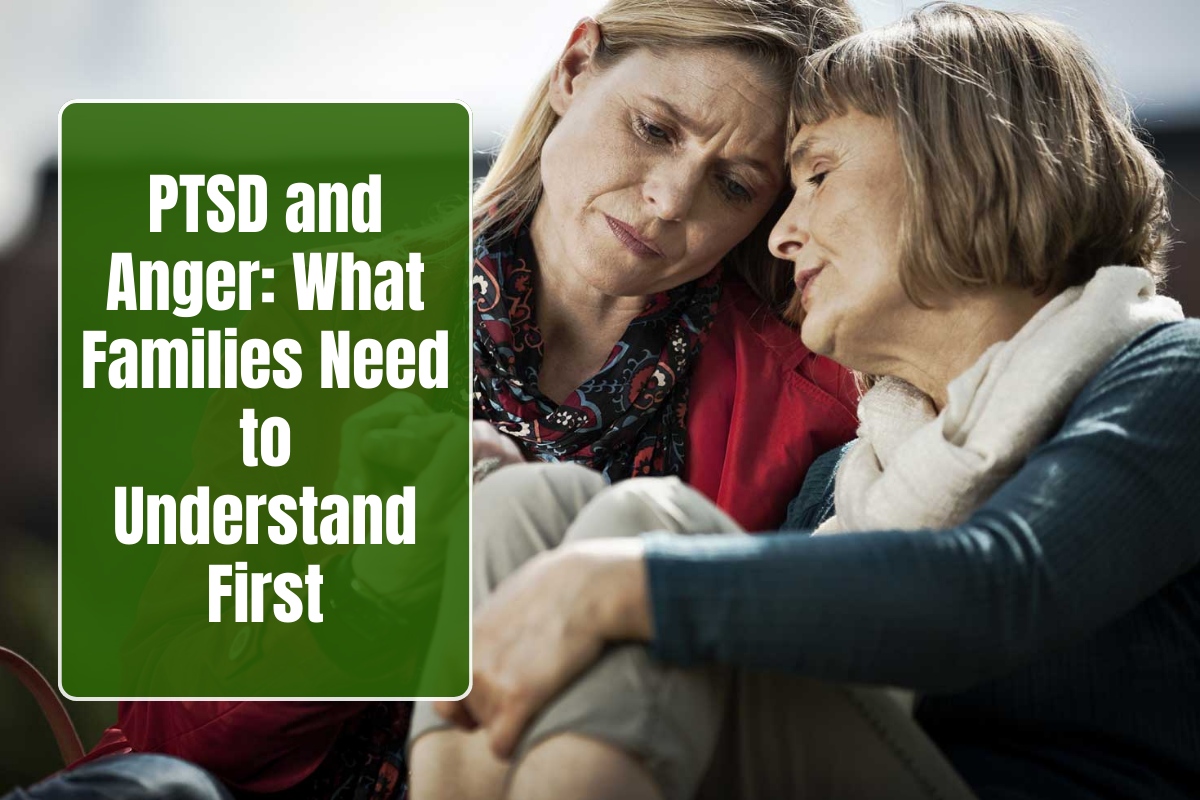
Emotional recovery—whether from trauma, loss, major life transitions, illness, or prolonged stress—does not happen in isolation. Families often play the most important role in providing stability, safety, and understanding during this process. While advice, solutions, and encouragement may come from a place of love, listening is often the most powerful support families can offer. Effective listening helps individuals feel seen, validated, and less alone, creating the emotional conditions necessary for healing.
Why Listening Matters in Emotional Recovery
When someone is emotionally recovering, they are often navigating confusion, vulnerability, and intense feelings. Being truly listened to reassures them that their experiences matter and that they do not have to face their struggles alone.
Poor listening—interrupting, minimizing feelings, or rushing to fix problems—can unintentionally increase distress and shut down communication. In contrast, compassionate listening builds trust, strengthens relationships, and supports emotional regulation.
Listening Is More Than Hearing Words
Listening in the context of emotional recovery goes beyond hearing spoken words. It involves paying attention to tone, body language, pauses, and emotions beneath the surface. Sometimes what is not said is just as important as what is expressed.
Families who listen well communicate safety: “You can be honest here.” That sense of safety is essential for emotional healing.
Practicing Active Listening
Active listening is the foundation of supportive communication. It requires full attention and intentional presence.
Key elements of active listening include:
- Giving undivided attention (putting away phones and distractions)
- Maintaining comfortable eye contact
- Nodding or using brief verbal cues to show engagement
- Reflecting back what you hear to confirm understanding
For example, saying, “It sounds like you’re feeling overwhelmed and unsure about what comes next,” helps the speaker feel understood.
Listening Without Jumping to Fix
One of the most common mistakes families make is rushing to solve the problem. While problem-solving has its place, emotional recovery often requires space to express feelings before solutions are discussed.
Instead of immediately offering advice:
- Allow emotions to be expressed fully
- Ask if the person wants support or solutions
- Accept that some feelings cannot be “fixed” quickly
Sometimes the most healing response is simply, “I’m here with you.”
Validating Feelings Without Judgment
Validation does not mean agreeing with every thought or reaction—it means acknowledging that the person’s feelings are real and understandable to them.
Helpful validation sounds like:
- “That makes sense given what you’ve been through.”
- “I can see why that would be painful.”
- “Your feelings matter, even if they’re hard.”
Avoid statements that dismiss emotions, such as:
- “You shouldn’t feel that way.”
- “Others have it worse.”
- “You need to move on.”
Invalidating responses can deepen emotional wounds and discourage future sharing.
Tolerating Silence and Strong Emotions
Silence can feel uncomfortable, especially when emotions are intense. However, silence often gives people space to process thoughts and feelings.
Effective listeners:
- Resist the urge to fill every pause
- Stay present during tears, anger, or frustration
- Allow emotions without trying to control them
Being calm in the presence of strong emotions communicates acceptance and emotional safety.
Asking Open-Ended, Gentle Questions
Questions can support recovery when they invite reflection rather than interrogation. Open-ended questions help individuals explore their experiences at their own pace.
Examples include:
- “What has been hardest for you lately?”
- “What do you need most right now?”
- “How can I support you better?”
Avoid “why” questions in sensitive moments, as they can feel accusatory or overwhelming.
Managing Your Own Emotional Reactions
Supporting someone in emotional recovery can bring up strong feelings in family members—fear, frustration, helplessness, or guilt. Effective listening requires awareness of these reactions.
Before responding, it helps to:
- Notice your own emotions
- Take a breath before speaking
- Avoid making the conversation about your distress
When families regulate themselves, they create a calmer emotional environment that supports healing.
Respecting Boundaries and Readiness
Not everyone is ready to talk all the time. Good listening also means respecting boundaries.
This includes:
- Accepting when someone says they don’t want to talk
- Avoiding pressure to “open up”
- Letting the person set the pace of sharing
Trust grows when people feel their boundaries are honored.
Listening Over Time, Not Just Once
Emotional recovery is rarely linear. The same feelings may surface repeatedly, and stories may be retold as part of processing.
Families support healing by:
- Listening with patience, even when topics repeat
- Avoiding expressions of exhaustion or irritation
- Remembering that repetition is often part of recovery
Consistency in listening builds long-term emotional security.
When Listening Is Not Enough
While family listening is powerful, it cannot replace professional care when challenges are severe or persistent. Encouraging outside support does not mean withdrawing care—it strengthens it.
Families can say:
- “You don’t have to do this alone.”
- “Getting extra support might help, and I’ll support you in that.”
Listening and professional support work best together.
Frequently Asked Questions (FAQs)
1. Why is listening so important in emotional recovery?
Because feeling heard and understood reduces isolation, builds trust, and supports emotional healing.
2. What if I don’t know what to say?
You don’t need the perfect words. Being present, attentive, and compassionate is often enough.
3. Is it okay to give advice sometimes?
Yes, but it’s best to ask first. Emotional recovery often requires listening before problem-solving.
4. How can I listen better during emotional conversations?
Reduce distractions, reflect what you hear, validate feelings, and avoid judgment or rushing.
5. What if listening becomes emotionally exhausting?
It’s important to care for yourself too. Setting boundaries and encouraging professional support helps sustain healthy family support.