Post-traumatic stress disorder (PTSD) is a mental health condition that can arise after someone experiences or witnesses a traumatic event. While the symptoms of PTSD often involve intrusive memories, flashbacks, and heightened anxiety, another significant aspect is emotional withdrawal.
This withdrawal can be challenging for both the person experiencing it and their family members. Understanding PTSD’s impact on emotional connection and learning how to respond with compassion can help families navigate this difficult terrain and provide the necessary support for healing and recovery.
Understanding Emotional Withdrawal in PTSD
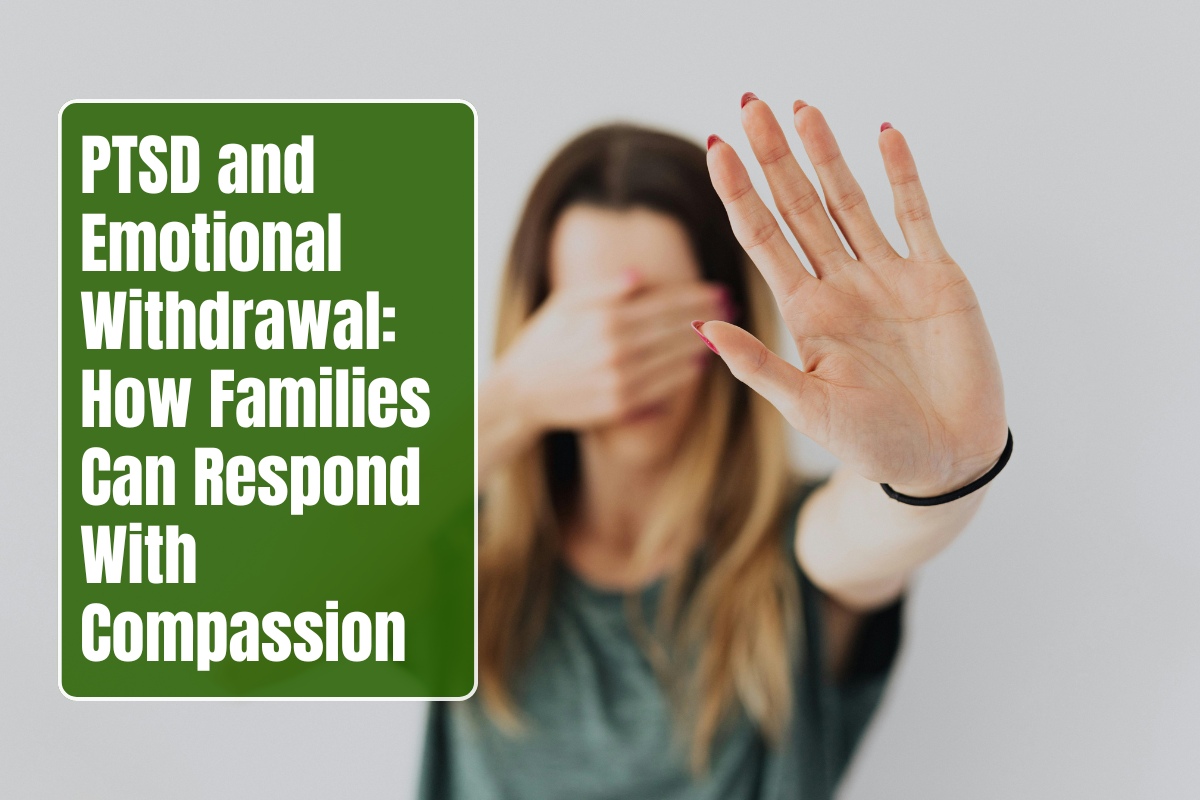
Emotional withdrawal is a common symptom of PTSD. Individuals who suffer from this condition may struggle with feelings of detachment or numbness. They may retreat from relationships, avoid conversations about their trauma, and withdraw from activities they once enjoyed. This withdrawal can be particularly difficult for families, as they may feel rejected or unsure how to support their loved ones.
Emotional withdrawal manifests in various ways:
- Avoidance of social interactions
- Diminished emotional expression
- Difficulty trusting others or feeling safe in relationships
- Increased irritability or anger
- A tendency to isolate or retreat to physical spaces
Recognizing these behaviors as symptoms of PTSD—not as intentional hurtful actions—is crucial for responding with understanding.
The Impact on Family Dynamics
PTSD can strain family relationships. When a loved one withdraws emotionally, family members may feel frustrated, confused, or helpless. The person with PTSD may seem distant, irritable, or unresponsive, leading family members to interpret these behaviors as personal rejection or neglect.
For family members, the experience may include:
- Feeling disconnected from the person suffering from PTSD
- Increased stress and emotional burden
- Uncertainty about how to provide help without overwhelming the individual
- Guilt for not being able to “fix” the situation
While these feelings are natural, it’s important to remember that emotional withdrawal is a symptom of PTSD and not a reflection of a lack of love or appreciation.
Responding With Compassion
Supporting someone with PTSD and emotional withdrawal requires patience, empathy, and compassion. It’s important for families to be aware of the person’s struggles and adjust their responses to be supportive without exacerbating the emotional distance.
1. Acknowledge Their Struggles Without Pressure
It can be tempting to urge the person with PTSD to open up or re-engage with family activities, but this pressure can increase feelings of anxiety and resistance. Instead, acknowledging their feelings and validating their experiences is key.
What families can do:
- Express understanding: “I can see you’re going through a lot right now, and I’m here for you.”
- Avoid pushing for details about the traumatic event unless the person initiates the conversation.
- Allow them to process their emotions in their own time without judgment or urgency.
This shows respect for their experience and autonomy.
2. Provide a Safe and Supportive Environment
People with PTSD often feel unsafe or hyper-vigilant. Offering a calm, stable, and predictable environment can help them feel more at ease.
What families can do:
- Keep routines as stable as possible, offering predictability and comfort.
- Reassure the person that their safety and well-being are priorities.
- Create space for quiet time or solitude if they need it, without interpreting it as rejection.
A supportive environment allows them to engage at their own pace when ready.
3. Practice Active Listening and Non-Judgmental Support
One of the best ways to respond with compassion is through active listening. Letting the person know that you’re available without being demanding can encourage them to open up when they feel ready.
What families can do:
- Listen attentively without interrupting or offering unsolicited advice.
- Validate emotions and experiences with simple acknowledgments like, “That sounds really hard.”
- Avoid jumping to solutions or “fixing” their emotions; sometimes, just being heard is enough.
Active listening fosters a sense of safety and emotional connection.
4. Be Patient and Give Space When Needed
PTSD recovery is a long-term process. The person may need to withdraw or retreat at times. Respecting their need for space while remaining available for support is essential.
What families can do:
- Allow them to withdraw temporarily without feeling rejected.
- Gently reassure them that you are there for them whenever they feel ready to talk or engage.
- Give them control over social interactions—let them decide when and how much to engage.
Patience and understanding during these times can reduce feelings of frustration for both parties.
5. Encourage Professional Help and Support
While families can offer crucial emotional support, it’s important for the individual with PTSD to seek professional help. A trained therapist or counselor can provide the tools and strategies necessary for managing symptoms.
What families can do:
- Encourage therapy or counseling without making it feel like an ultimatum.
- Offer to help with finding resources or accompanying them to appointments if they are open to it.
- Be supportive of their journey through therapy, even if it’s slow or difficult.
Professional support offers the specialized care needed for healing.
6. Take Care of Yourself
Supporting a loved one with PTSD can be emotionally taxing for family members. It’s important for caregivers to prioritize their own mental and emotional well-being.
What families can do:
- Set boundaries to prevent burnout and ensure your own needs are met.
- Reach out for support through therapy or support groups for families of individuals with PTSD.
- Practice self-care and engage in activities that help reduce stress.
Taking care of yourself ensures that you can be there for your loved one without losing your own emotional stability.
Encouraging Open Communication Over Time
As the person with PTSD progresses in their healing, the emotional distance may lessen. However, recovery is not linear, and relapses or difficult days are normal. Encouraging open and honest communication about emotions, triggers, and needs can help maintain a strong bond.
What families can do:
- Create regular check-ins to discuss feelings and needs in a non-confrontational way.
- Express your love and commitment consistently, even during difficult times.
- Foster an atmosphere of openness where both parties feel comfortable discussing their challenges and progress.
Over time, with continued compassion, understanding, and professional support, healing can take place.
PTSD and emotional withdrawal present significant challenges for both the individual suffering from the condition and their family. However, families can play a critical role in supporting their loved one’s recovery with compassion, patience, and understanding.
By offering a safe, non-judgmental environment and encouraging professional help, families can help those with PTSD feel supported while maintaining their own well-being. Recovery is a journey, and with consistent, empathetic responses, families can strengthen their bonds and contribute to long-term healing.
Frequently Asked Questions (FAQs)
Q. What should I do if my loved one with PTSD withdraws emotionally?
Respect their need for space, be patient, and offer unconditional support without pushing them to open up or engage when they are not ready.
Q. How can I encourage someone with PTSD to seek professional help?
Encourage therapy gently, emphasizing that seeking help is a sign of strength. Offer assistance with finding resources or attending appointments if they are open to it.
Q. Is it normal for someone with PTSD to push people away?
Yes. Emotional withdrawal is a common symptom of PTSD. It’s a coping mechanism for managing overwhelming feelings, but it doesn’t mean they don’t value their relationships.
Q. How can I take care of myself while supporting a loved one with PTSD?
Set boundaries, seek support through therapy or support groups, and prioritize self-care to maintain your own emotional well-being.
Q. Can PTSD be fully healed with family support alone?
While family support is crucial, professional therapy and counseling are essential for managing and healing from PTSD.