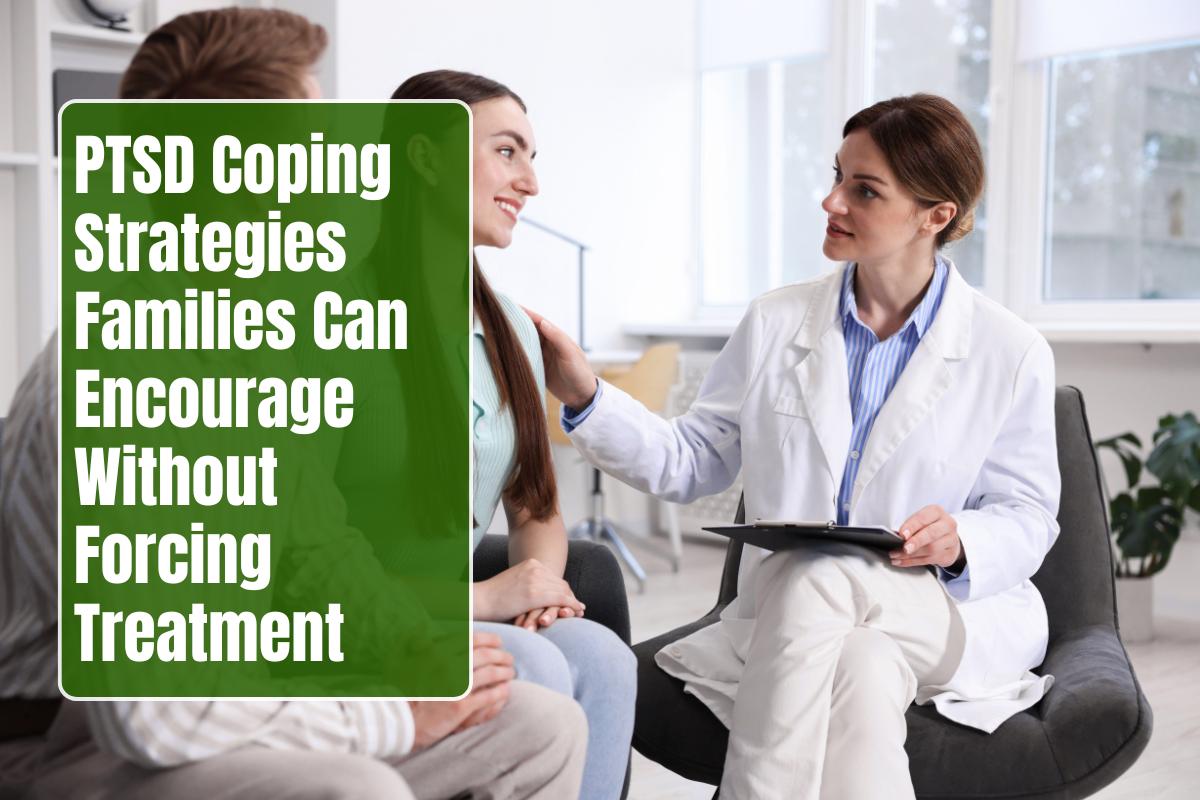
Post-Traumatic Stress Disorder (PTSD) can affect not only individuals but also the families who care about them. Loved ones often want to help but may feel unsure how to offer support without pressuring the person into treatment they are not ready to accept. Respect, patience, and understanding are essential.
Families can play a powerful role by encouraging healthy coping strategies that promote safety, stability, and emotional support while honoring personal boundaries. This article explores practical, compassionate approaches families can use to support someone living with PTSD without forcing treatment.
Creating a Safe and Supportive Environment
One of the most important things families can offer is emotional safety. People with PTSD may feel constantly on edge, mistrustful, or overwhelmed. A calm, predictable environment can help reduce stress and build a sense of security.
Families can support this by maintaining consistent routines, avoiding sudden changes when possible, and respecting the individual’s need for space. Listening without judgment, validating feelings, and avoiding dismissive statements such as “just move on” or “it could be worse” can make a significant difference. Feeling emotionally safe often becomes the foundation for healing and trust.
Encouraging Open Communication
Open communication can help individuals with PTSD feel less isolated. However, this must be done gently and without pressure. Instead of demanding that someone talk about their trauma, families can express availability by saying things like, “I’m here if you ever want to talk.”
Encouraging communication also includes respecting silence. Some people process internally and may not be ready to share details. Families can focus on asking open-ended questions about daily life, feelings, or needs rather than about the traumatic event itself. This approach keeps the door open while honoring emotional boundaries.
Supporting Healthy Daily Routines
Stability in daily life can significantly reduce PTSD symptoms. Families can gently encourage routines that promote well-being without presenting them as “treatment.”
Helpful areas of focus include regular sleep schedules, balanced meals, and light physical activity such as walking. Encouraging participation in everyday activities—like cooking together, gardening, or watching a favorite show—can restore a sense of normalcy. These small, consistent habits can provide comfort and reduce emotional overwhelm.
Promoting Grounding and Relaxation Techniques
Grounding techniques help people stay connected to the present moment, which can be especially helpful during flashbacks or intense anxiety. Families can introduce these tools casually rather than as a therapeutic intervention.
Examples include deep breathing exercises, listening to calming music, holding a comforting object, or practicing mindfulness during simple tasks like drinking tea or walking outdoors. Inviting a loved one to join in—without insisting—can normalize these practices and make them feel supportive rather than clinical.
Encouraging Connection Without Pressure
Social withdrawal is common among individuals with PTSD. Families can help by gently encouraging connection while respecting limits. This might involve inviting the person to join family activities, suggesting short outings, or offering companionship during routine tasks.
The key is to offer opportunities rather than ultimatums. Even small interactions—such as sitting together quietly or sharing a meal—can reduce loneliness and build trust over time. Knowing they are not alone can be deeply comforting.
Educating the Family About PTSD
Understanding PTSD can help families respond with empathy rather than frustration. Learning about common symptoms—such as hypervigilance, emotional numbness, irritability, or avoidance—can reduce misunderstandings and conflict.
When families educate themselves, they are better equipped to recognize triggers, respond calmly during difficult moments, and avoid taking symptoms personally. This knowledge fosters compassion and creates a more supportive environment for everyone involved.
Respecting Autonomy While Keeping Support Visible
Perhaps the most important principle is respecting the individual’s autonomy. Forcing treatment or constantly pushing professional help can damage trust and increase resistance. Instead, families can normalize the idea of support by mentioning resources casually, sharing stories of others who have benefited from help, or offering to explore options together if the person ever becomes open to it.
Keeping the door open—without pressure—allows the individual to move toward seeking help at their own pace. Often, feeling respected and supported is what eventually makes someone more willing to consider additional support.
Frequently Asked Questions
Can families help someone with PTSD if they refuse therapy?
Yes. Families can still provide emotional support, stability, understanding, and encouragement through everyday actions that help reduce stress and promote coping.
What should families avoid saying to someone with PTSD?
Avoid minimizing their experience with phrases like “just get over it,” “others have it worse,” or “you’re overreacting.” These can make the person feel misunderstood and isolated.
How can families encourage coping without making it feel like treatment?
By framing activities as normal self-care or shared routines—such as going for walks, cooking together, or practicing relaxation—rather than labeling them as therapeutic exercises.
Is it okay to talk about professional help at all?
Yes, but it should be done gently and without pressure. Letting the person know support is available while respecting their readiness is usually the most effective approach.
How can families handle emotional outbursts or withdrawal?
Respond with patience, calmness, and empathy. Try not to take symptoms personally and focus on maintaining a stable, supportive presence rather than correcting behavior.
What is the most important thing families can offer someone with PTSD?
Consistent compassion, patience, and emotional safety. Feeling understood and not judged can be one of the strongest foundations for healing over time.