Untreated PTSD manifests early behavioral changes that signal the need for intervention in the USA, where 6% of adults (12 million) and 5% of youth experience it annually, often from trauma like accidents, violence, or combat. These subtle shifts—withdrawal, irritability, hypervigilance—escalate to chronic issues if ignored, per VA and Cleveland Clinic guidelines. Early recognition via family, workplaces, or self-awareness saves lives, as 50% of cases worsen without treatment.
Intrusive Symptoms: Flashbacks and Nightmares
Reliving trauma via vivid flashbacks or nightmares disrupts daily life early on, with sufferers avoiding triggers like crowds or anniversaries. Memory loss of trauma aspects or distorted blame (“It’s my fault”) emerges, fostering isolation. In adolescents, this sparks risky behaviors or revenge wishes; adults turn to substances (2x risk).
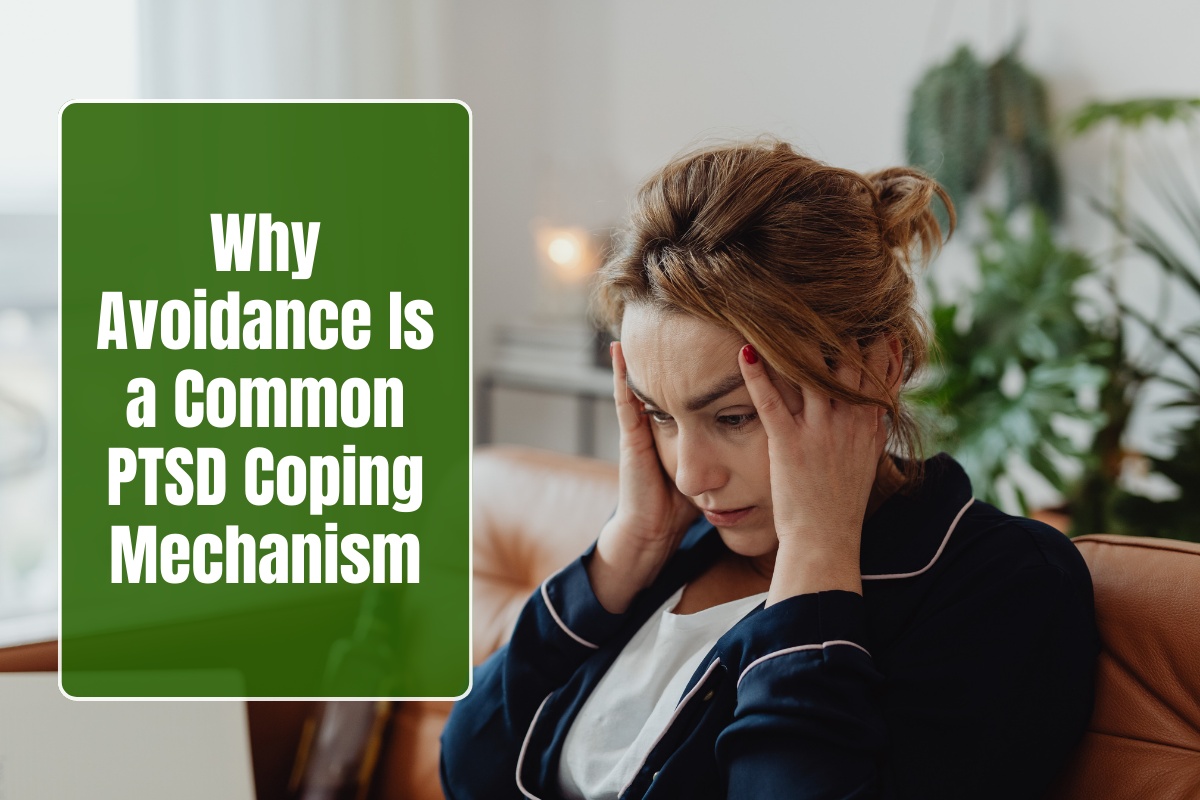
Avoidance and Emotional Numbing
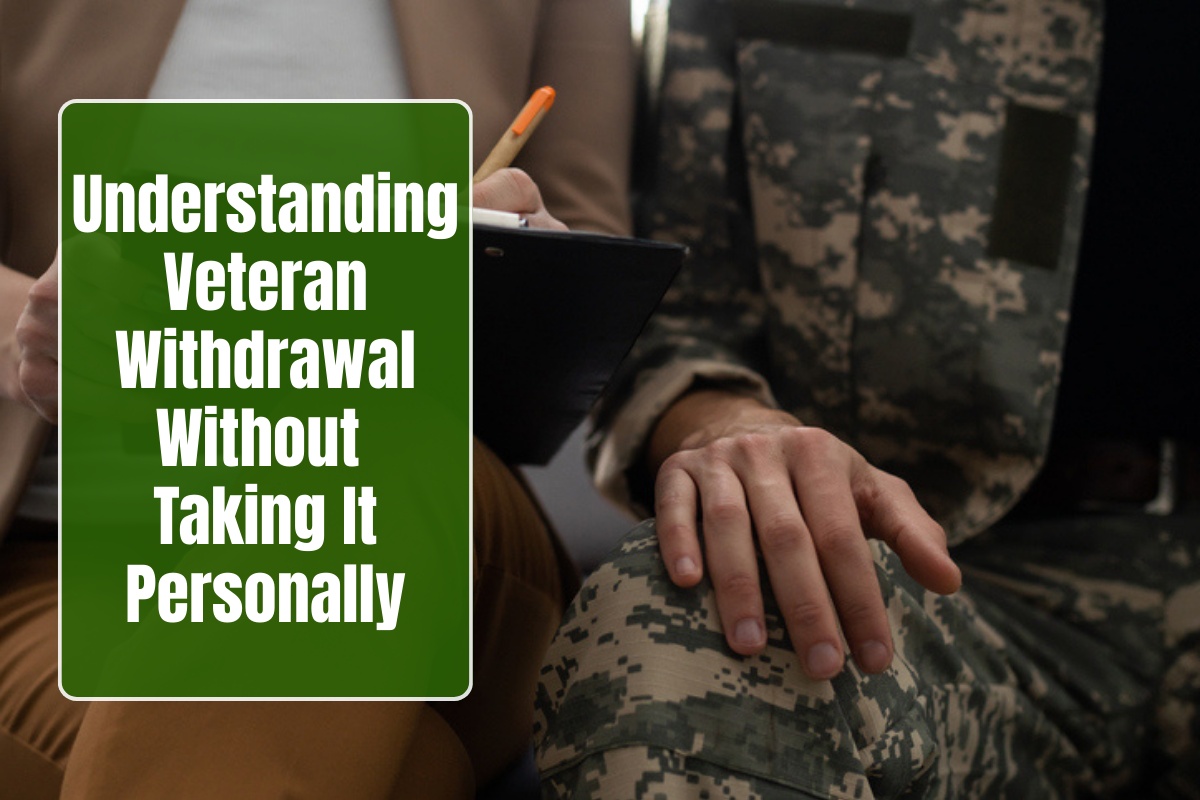
Steering clear of reminders—people, places—leads to social withdrawal and detachment, a core avoidance symptom. Negative self-beliefs (“I’m broken”) and guilt compound, causing emotional numbness or foreshortened future (“No point planning”). Older adults show confusion, worsening chronic ills.
Hyperarousal and Reactivity Changes
Irritability, angry outbursts, hypervigilance (“always on guard”), and exaggerated startle responses indicate arousal shifts. Trouble sleeping/concentrating, reckless self-destructive acts (speeding, drinking) follow. CSR precursors like tension, agitation signal progression to PTSD if untreated.
Cognitive and Mood Alterations
Ongoing fear, horror, anger, shame distort thoughts, blaming self/others wrongly. Depression, risky activities in youth, rebellion, or sleep/eating issues appear early. Untreated, these evolve to pervasive negativity, memory gaps.
Physical and Behavioral Red Flags
Physical reactions—sweating, rapid heartbeat, shaking—pair with aggression or withdrawal. Substance use spikes; untreated CSR leads to PTSD lasting decades. Children show irritability, depression; adults agitation, isolation.
Why Early Intervention Matters
Untreated PTSD heightens dementia (50%), suicide, heart disease risks; ripples strain families/work. VA resources, 988 hotline aid; therapies like CBT resolve 70-80% cases early.
Spotting these changes prompts life-changing help.
Frequently Asked Questions (FAQs)
Q. What early avoidance signs?
Steering clear of trauma reminders, social withdrawal, emotional numbness.
Q. Hyperarousal behavioral changes?
Irritability, startle, sleep issues, recklessness.
Q. Mood shifts in untreated PTSD?
Guilt, shame, negative self-beliefs, detachment.
Q. Youth vs. adult differences?
Youth: risky acts, rebellion; adults: isolation, substances.
Q. Risks if ignored?
Dementia 50% higher, suicide, chronic illness escalation.