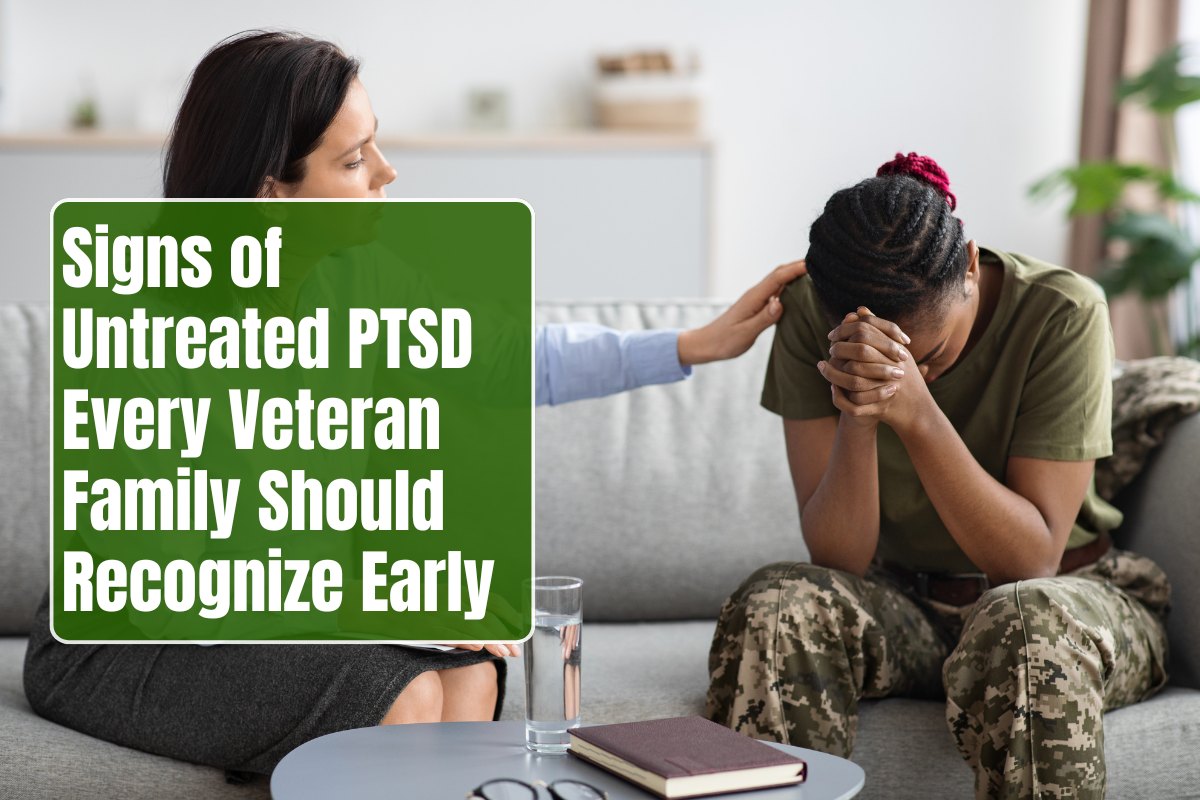
Post-traumatic stress disorder (PTSD) in veterans often goes untreated, allowing subtle early signs to escalate into severe family disruptions if families remain unaware. Recognizing these indicators promptly empowers loved ones to encourage help, preventing isolation, conflict, and long-term harm. Early intervention through VA resources or therapy can halt progression and restore family bonds.
Intrusive Memories and Flashbacks
One of the earliest signs of untreated PTSD involves reliving trauma through unbidden recollections that disrupt daily life. Veterans may experience vivid flashbacks where they feel the event is recurring, triggered by ordinary stimuli like fireworks, car backfires, or crowds, causing sudden panic or dissociation. Families notice veterans zoning out mid-conversation, sweating profusely, or reacting intensely to neutral events, signaling the brain’s trauma alarm system remains hyperactive.
Nightmares form another red flag, with veterans waking in terror multiple nights weekly, often yelling or thrashing, which disturbs sleep for everyone. Without treatment, these intrusions intensify, leading to dread of bedtime and chronic fatigue that strains patience during family meals or outings. Partners and children learn to tiptoe around triggers, fostering a tense home atmosphere early on.
Avoidance Behaviors Emerging Quietly
Avoidance starts subtly as veterans sidestep reminders of service, such as skipping holiday gatherings with loud noises or refusing to discuss deployments. Families spot this when veterans decline social invitations, avoid driving on certain routes, or change the subject abruptly about military topics, creating emotional walls. This isolation extends to family, where veterans withdraw from anniversaries or kids’ events tied to trauma dates.
Over time, untreated avoidance broadens, with veterans quitting jobs, hobbies, or even intimacy to evade distress, leaving partners feeling rejected. Children pick up on the parent’s detachment, mimicking withdrawal or developing their own anxieties, which families dismiss as “just readjusting.” Early recognition prevents this cycle by prompting gentle encouragement toward therapy.
Negative Mood Shifts and Emotional Numbing
Persistent negativity creeps in as guilt, shame, or hopelessness dominates the veteran’s outlook, often masked as irritability or apathy. Families observe veterans blaming themselves excessively for “surviving” when comrades did not, or expressing bleak views like “nothing matters anymore,” eroding family optimism. Loss of interest in once-loved activities—fishing trips, game nights, or date nights—signals numbing, where veterans seem “checked out” despite physical presence.
Untreated, this fosters detachment, with veterans struggling to feel joy, love, or pride, confusing children who crave affection and partners who interpret it as personal failure. Subtle memory gaps about trauma details or daily events add frustration, as families repeat questions or handle all planning alone.
Hyperarousal and Reactivity Warning Signs
Constant alertness manifests as jumpiness, where veterans startle at doorbells or shadows, scanning rooms like still in combat. Families see exaggerated vigilance during family drives or shopping, with veterans gripping seats or barking orders, heightening everyone’s stress. Sleep disturbances ramp up early, with insomnia or restless tossing, leading to daytime grumpiness mistaken for rudeness.
Irritability boils over into outbursts over minor issues like misplaced keys, while concentration lapses cause repeated mistakes at work or home tasks. Risky behaviors emerge, such as reckless driving or substance use to self-medicate, alarming families who notice empty bottles or sudden isolation. These signs demand attention before aggression escalates family conflicts.
Physical and Behavioral Red Flags
Untreated PTSD brings somatic complaints like chronic headaches, stomach issues, or fatigue, often without medical cause, as the body stays in fight-or-flight mode. Families link these to “stress” but overlook ties to trauma when veterans self-medicate with alcohol or avoid doctors. Work struggles appear early—missing deadlines or quitting jobs—straining finances and sparking arguments.
Suicidal ideation lurks as passive comments like “it’d be easier if I wasn’t here,” which families must take seriously amid hopelessness. Relationship erosion shows in increased fights, emotional distance, or infidelity risks from numbing.
Family Impact and Urgency for Action
These signs ripple outward: partners develop anxiety from “eggshell walking,” children show school problems or aggression, and homes fill with unspoken fear. Statistics reveal 30% of Iraq/Afghanistan veterans face PTSD, with untreated cases doubling divorce rates and tripling child behavioral issues. Early family vigilance—tracking patterns over weeks—enables VA screenings or therapies like CBT, which cut symptoms by 50% in months.
FAQs
Q1: How soon after service do untreated PTSD signs appear?
Signs can emerge days post-deployment or delay years, often triggered by stress; families should monitor changes lasting over a month.
Q2: What distinguishes normal readjustment from PTSD avoidance?
Normal stress fades in weeks; PTSD avoidance persists, broadly impacting social life, work, and family without resolution.
Q3: Why do veterans deny hyperarousal signs like jumpiness?
They normalize vigilance from combat, viewing it as adaptive, while families see daily disruptions like sleep loss or outbursts.
Q4: Can emotional numbing harm family bonds early?
Yes, it mimics indifference, causing partners and kids to feel unloved, fostering resentment before overt conflict arises.
Q5: What physical signs signal untreated PTSD?
Unexplained pain, fatigue, or self-medication via substances indicate arousal overload; prompt medical checks rule out other issues.
Q6: How do families encourage help without confrontation?
Use “I” statements like “I’ve noticed you’re jumpy lately—want to talk to VA?” and offer to attend appointments together.