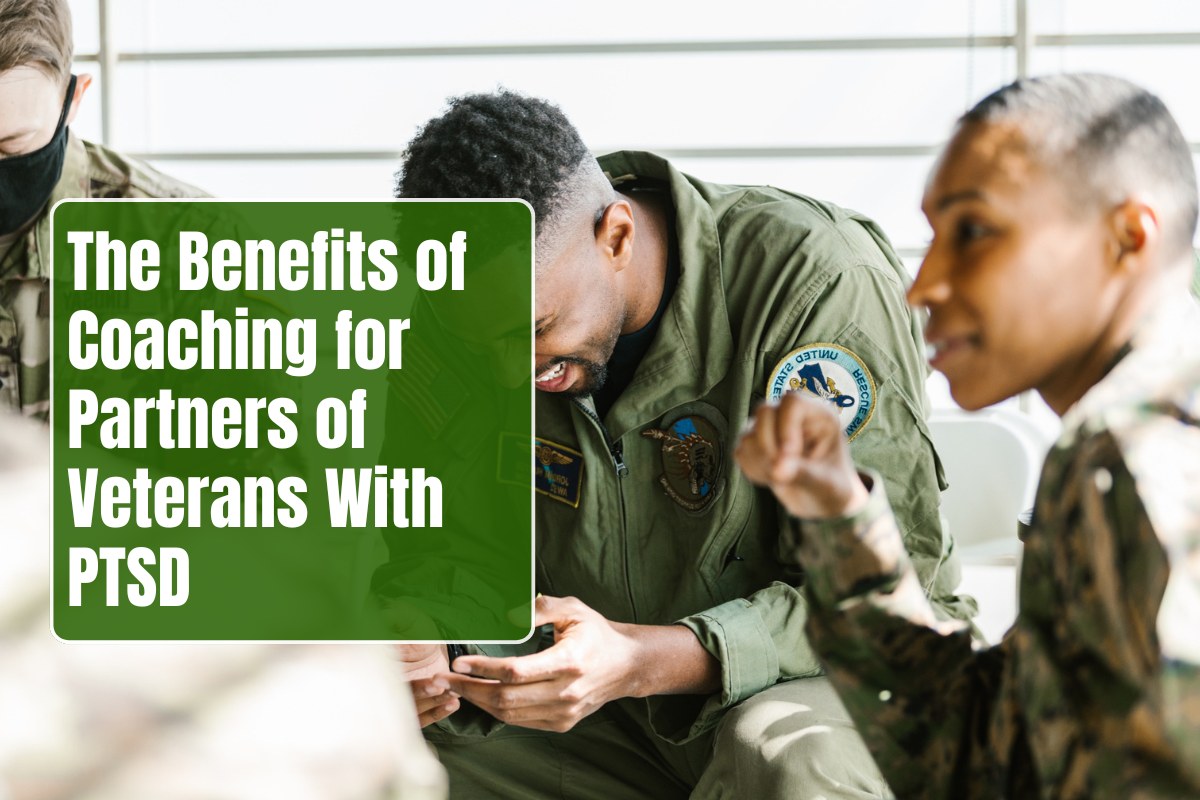
Coaching provides spouses and partners of veterans with PTSD targeted skills to manage relational strain, reduce personal distress, and foster mutual recovery. Programs like VA’s Coaching Into Care and communication skills training equip partners with empathy-building techniques, yielding significant drops in negative interaction patterns and boosts in positive feelings toward veterans.
These interventions enhance partner resilience, relationship satisfaction, and veteran treatment engagement without requiring couple participation.
Improved Communication Patterns
Coaching transforms destructive cycles like demand/withdraw—where one partner nags and the other retreats—into constructive dialogue through active listening, “I” statements, and empathy training.
A six-week group program for veteran spouses significantly increased constructive communication (P=0.01), reduced mutual avoidance (P≤0.001), and lowered demand/withdraw behaviors (P=0.009) two months post-intervention. Partners learn to request changes gently, decreasing resistance and promoting cooperation on PTSD impacts like emotional distance.
These skills sustain marital stability, as evidenced by higher relationship satisfaction scores in trained groups compared to controls. Spousal resiliency programs further reinforce this by teaching regulation skills in group settings, helping partners navigate triggers collaboratively.
Reduced Emotional Burden and Burnout
Partners often experience secondary trauma, anxiety, or depression from living with PTSD symptoms like hypervigilance or isolation. Coaching alleviates this via self-care strategies, boundary-setting, and peer support, with participants reporting lower overwhelm after learning to separate personal emotions from veteran trauma.
Wounded Warrior Project retreats and UT Austin’s Veteran Spouse Resiliency Group provide safe spaces for spouses to process shared experiences, building emotional resilience.
Free VA coaching sessions (10-30 minutes) offer licensed guidance on symptom recognition and coping, preventing caregiver exhaustion while modeling healthy behaviors for veterans. Studies confirm these supports correlate with improved partner well-being and reduced fears of compassion.
Enhanced Empathy and Relationship Satisfaction
Training fosters perspective-taking, where partners reflect veteran viewpoints (“It sounds like this overwhelms you”) to validate trauma responses without personalizing them. Post-training, spouses showed markedly higher positive feelings toward veterans (P<0.001), strengthening bonds amid PTSD challenges.
Multi-couple groups like Cognitive-Behavioral Conjoint Therapy (CBCT) adaptations reduce partner distress while alleviating veteran anger and anxiety.
Apps such as PTSD Family Coach empower daily application, with trials showing better couple adjustment and psychological health. This mutual growth reframes PTSD as a shared journey, boosting hope and intimacy.
Increased Veteran Treatment Engagement
Empowered partners encourage care using motivational techniques, like scaling readiness without pressure, leading to higher VA appointment attendance. Coaching Into Care provides scripts for gentle prompting, helping spouses overcome veteran stigma fears during 10-20 minute talks.
Evidence from family-inclusive PTSD interventions indicates partners view involvement positively, accelerating veteran recovery.
Peer-led formats normalize help-seeking, with spouses gaining confidence to suggest joint sessions or self-help tools like PTSD Coach. Outcomes include sustained veteran symptom relief and family unity.
Access to Tailored Resources and Peer Networks
Coaching connects partners to VA telehealth, support groups, and crisis lines, addressing barriers like rural access or stigma. Programs like Wounded Warrior Project’s spousal retreats offer education on triggers and coping, with spouses crediting them for long-term resilience. Group delivery builds networks, where sharing reduces isolation—key for partners facing similar relational strains.
Free, flexible phone coaching suits busy lives, with follow-ups ensuring application. These resources extend benefits to parenting and daily routines, promoting holistic family healing.
Coaching positions partners as informed allies, yielding measurable gains in communication, well-being, and recovery support. By prioritizing spouse empowerment, these programs create ripple effects for veteran healing and stronger partnerships.
FAQ
Q. How does coaching reduce negative communication cycles?
It teaches reflective listening and “I” statements, significantly lowering demand/withdraw and avoidance per six-week trials.
Q. What self-care benefits do partners gain?
Strategies like boundary-setting and peer groups prevent burnout, improving emotional resilience as in spousal resiliency programs.
Q. Does coaching improve feelings toward the veteran?
Yes—trained spouses report higher positive emotions (P<0.001), enhancing satisfaction amid PTSD.
Q. Can partners encourage treatment without conflict?
Absolutely—MI scripts from VA coaching boost engagement gently, respecting veteran pace.
Q. Are these programs accessible and free?
VA Coaching Into Care offers free 10-30 minute calls by licensed experts, nationwide.