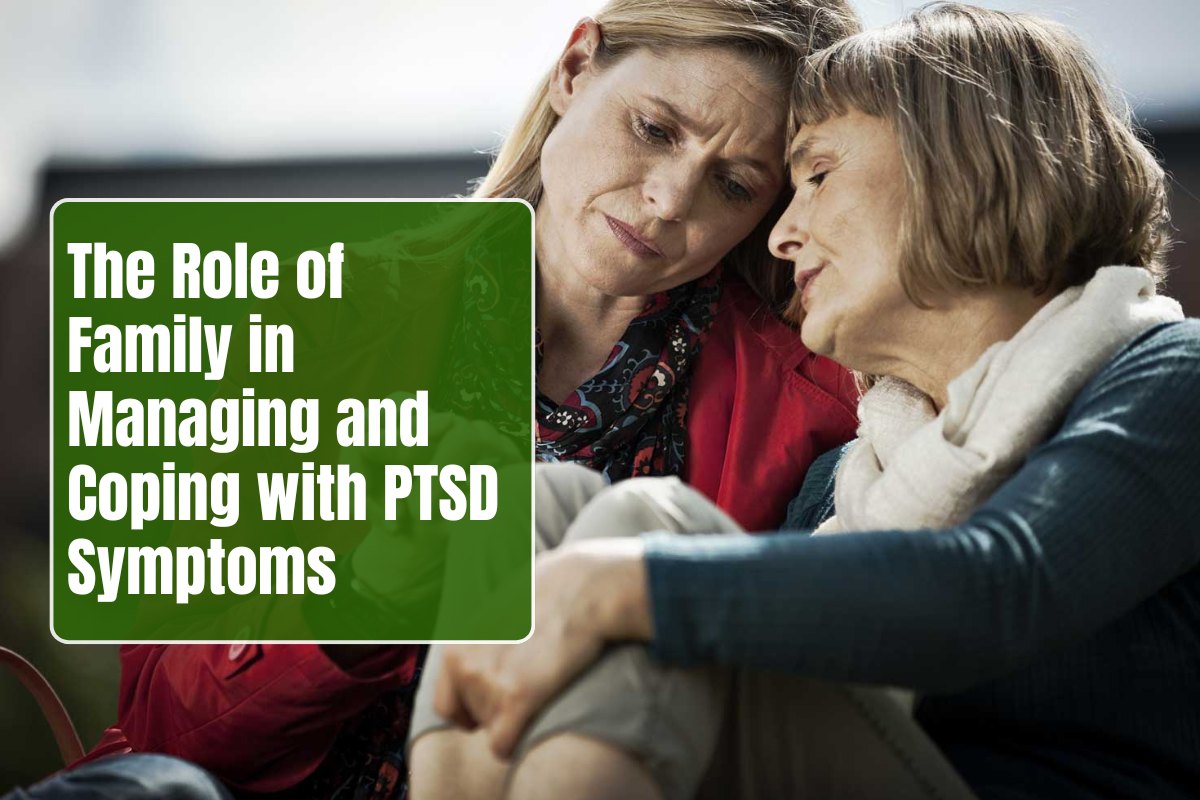
Family members play a pivotal role in supporting individuals with PTSD, providing emotional validation, practical assistance, and motivation for treatment adherence. Their involvement buffers symptom severity, reduces dropout from therapy, and fosters resilience through open communication and shared coping strategies. Research shows family-inclusive approaches improve outcomes for both the survivor and loved ones, creating safer home environments amid triggers like flashbacks or hypervigilance.
Understanding PTSD and Its Family Impact
PTSD disrupts daily life with intrusive memories, avoidance, hyperarousal, and negative mood changes, often straining relationships through irritability or withdrawal. Families experience secondary stress—caregiver burnout or relational discord—but informed support transforms this into mutual healing. Veterans with family sessions see significant symptom drops, with higher session counts yielding stronger effects.
Education empowers families to recognize symptoms without judgment, normalizing reactions and preventing misunderstandings that exacerbate isolation.
Providing Emotional Support and Validation
Active listening and empathy validate experiences, reducing intrusive thoughts by building trust. Families encourage facing distress rather than avoidance, aligning with therapy goals like CBT or EMDR. Grounding techniques—deep breathing, sensory focus—during episodes help reconnect to the present, with calm reassurance minimizing panic.
This support decreases hypervigilance, as loved ones create predictable routines shielding against triggers.
Encouraging Treatment Engagement
Family encouragement boosts therapy initiation and completion, cutting dropout by 50% in evidence-based protocols. Accompanying to sessions or learning PTSD basics addresses fears, while conjoint therapies like Cognitive Behavioral Conjoint Therapy (CBCT) tackle trauma and relationships simultaneously, reducing symptoms and discord.
Positive attitudes buffer nonengagement risks, with family knowledge enhancing adherence.
Practical Coping Strategies at Home
Families establish safe spaces by identifying triggers—loud noises or crowds—and developing response plans like quiet retreats. Promoting healthy habits—exercise, sleep, nutrition—lowers anxiety, while joint activities rebuild connections without pressure. Stress reduction through family therapy improves communication, resolving conflicts stemming from irritability.
Routines provide stability, fostering security for children and partners too.
Benefits of Family-Inclusive Interventions
Family therapy enhances understanding, with guided sessions teaching symptom recognition and empathy. It strengthens bonds, cuts caregiver distress, and promotes resilience—social support buffers PTSD severity per studies. Women veterans value involvement for connection, while overall outcomes include fewer symptoms and better family functioning.
These interventions normalize emotions post-trauma, aiding collective recovery.
Self-Care for Family Members
Caregivers must prioritize wellness to avoid burnout—seek therapy, join support groups, or use apps like PTSD Family Coach. Boundaries prevent enabling avoidance, balancing support with personal health. Resources from VA or organizations offer tools for sustained involvement.
Resilient families model coping, amplifying healing.
Long-Term Resilience Building
Ongoing engagement rebuilds trust, with families shielding kids from distress while promoting open dialogue. Research links strong support to lower symptom accumulation over time, turning trauma into growth through shared narratives and professional guidance.
FAQ
Q1: How does family support reduce PTSD symptoms?
A: Validation and encouragement buffer intrusive thoughts; family sessions drop symptoms significantly.
Q2: What practical steps help during episodes?
A: Grounding techniques, calm reassurance, and trigger plans reconnect to safety.
Q3: Why involve family in therapy?
A: Cuts dropout 50%, improves adherence via CBCT addressing trauma and relationships.
Q4: How does family therapy benefit everyone?
A: Enhances communication, reduces discord, and builds resilience for all.
Q5: What self-care do caregivers need?
A: Therapy, groups, and boundaries prevent burnout while sustaining support.