Post-Traumatic Stress Disorder (PTSD) is often misunderstood and reduced to narrow stereotypes. Popular portrayals commonly associate PTSD only with combat veterans or dramatic flashbacks, overlooking the diverse ways trauma affects individuals and families.
In reality, PTSD can result from many experiences—such as accidents, abuse, natural disasters, medical trauma, or the sudden loss of a loved one—and its impact extends far beyond the individual. Understanding PTSD from a family-centered perspective is essential for meaningful recovery and long-term healing.
Moving Beyond Common Stereotypes About PTSD
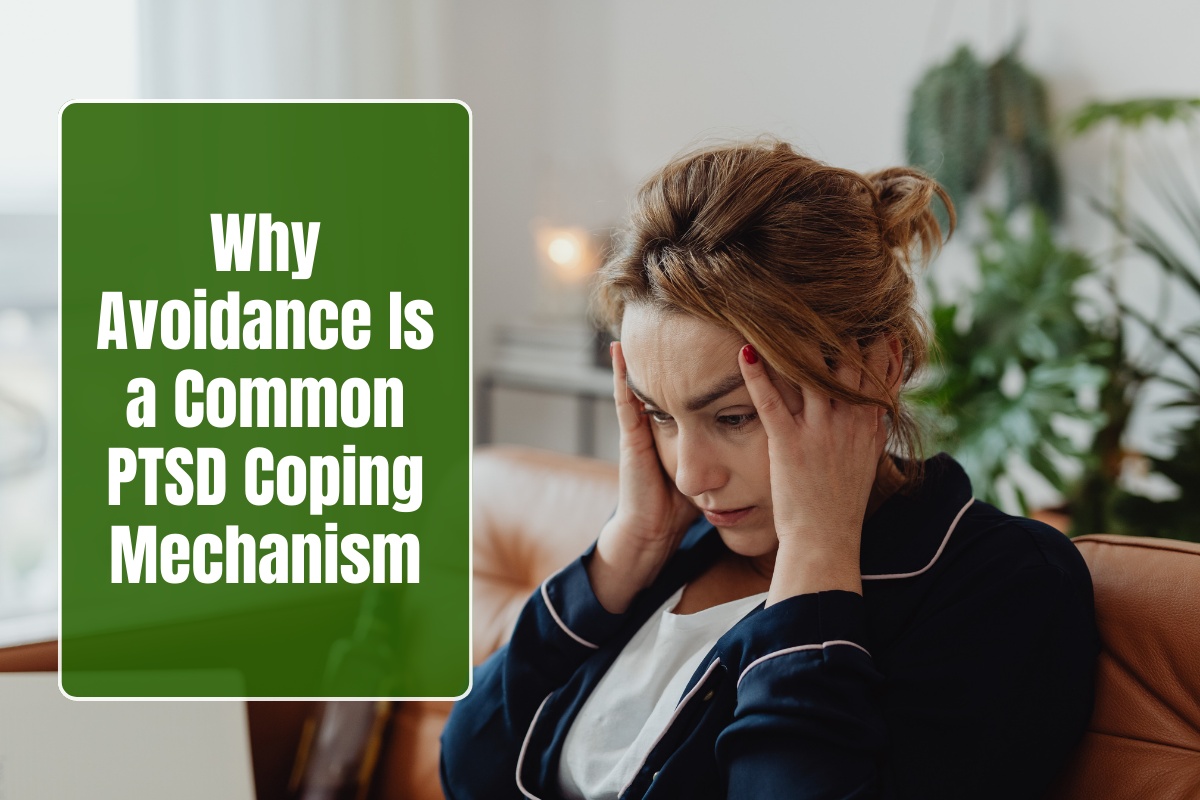
One of the most damaging stereotypes is that people with PTSD are always visibly distressed, aggressive, or emotionally unstable. In truth, PTSD symptoms vary widely and may be subtle. Some individuals appear highly functional at work or in social settings while struggling internally with anxiety, emotional numbness, sleep disturbances, or intrusive thoughts.
Another misconception is that PTSD is a sign of weakness or something a person should “get over” with time. PTSD is a clinically recognized mental health condition rooted in changes to brain function and stress responses. Recovery is not about willpower alone; it often requires understanding, support, and professional care.
How PTSD Affects the Family System
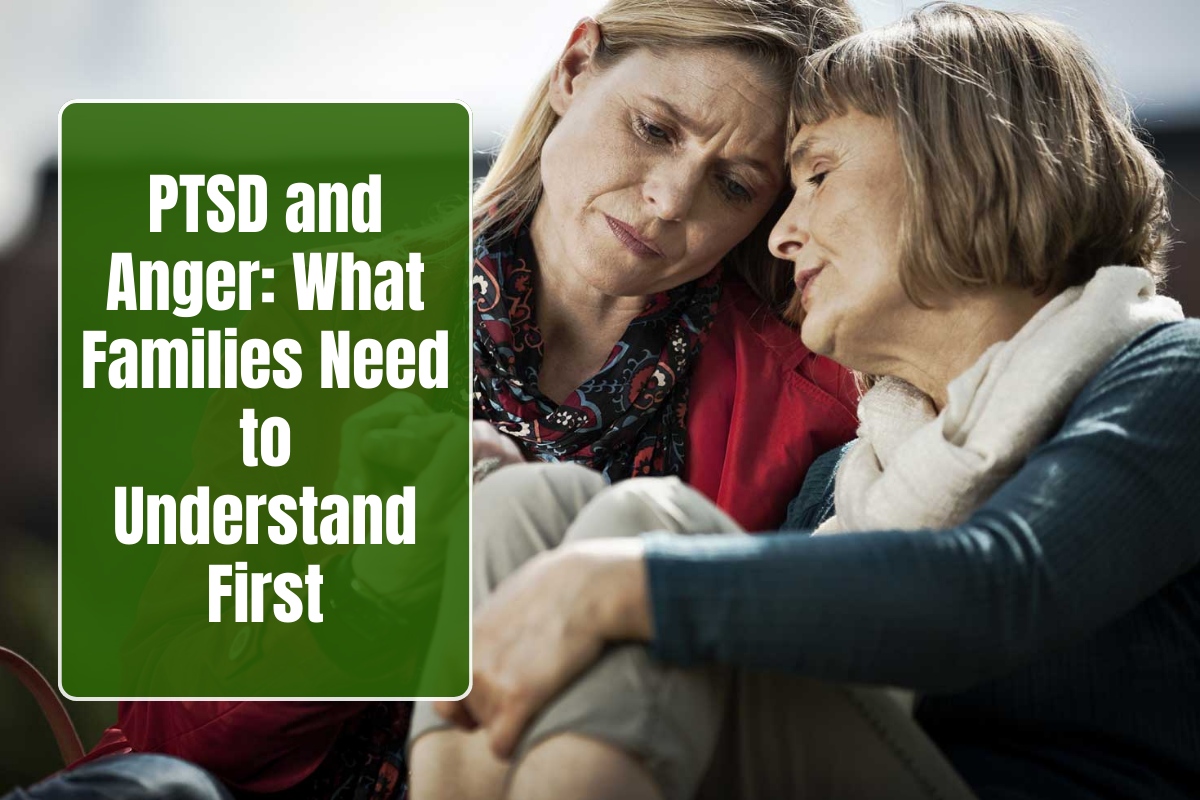
PTSD rarely affects only one person. Family members often experience confusion, frustration, and emotional strain as they try to understand changes in behavior, mood, or communication. A parent with PTSD may become emotionally distant, a partner may struggle with irritability or withdrawal, and children may sense tension without fully understanding its source.
These dynamics can lead to misinterpretations. Loved ones may assume the individual is uncaring or intentionally difficult, while the person with PTSD may feel misunderstood or guilty. Without awareness, families can unintentionally reinforce isolation, which worsens symptoms and slows recovery.
The Importance of a Family-Centered Perspective
A family-centered approach recognizes that healing occurs within relationships, not in isolation. This perspective emphasizes education, empathy, and shared responsibility rather than blame. When families understand PTSD symptoms—such as hypervigilance, avoidance, emotional numbing, or heightened startle responses—they are better equipped to respond with patience rather than frustration.
Involving family members in the recovery process can strengthen trust and communication. Families can learn how trauma affects emotional regulation and stress responses, helping them adapt expectations and reduce conflict. This collaborative approach supports both the individual with PTSD and the emotional well-being of the entire household.
Communication as a Foundation for Recovery
Open, respectful communication is central to family-centered recovery. PTSD can make it difficult for individuals to express emotions or articulate what they need. Families who create safe, nonjudgmental spaces for conversation help reduce fear and defensiveness.
Listening without pressure to “fix” the problem is often more helpful than offering solutions. Simple validation—acknowledging pain without minimizing it—can strengthen emotional bonds. Over time, improved communication helps families navigate triggers, set boundaries, and support gradual healing.
Supporting Recovery Without Overstepping
Family support is vital, but it must be balanced. Overprotectiveness or constant monitoring can unintentionally reinforce feelings of helplessness. Recovery is most effective when individuals with PTSD maintain a sense of autonomy and control over their healing journey.
Families can support recovery by encouraging professional help, promoting healthy routines, and respecting personal limits. Small, consistent actions—such as maintaining predictable schedules or reducing environmental stress—can create stability without pressure.
The Role of Professional and Community Support
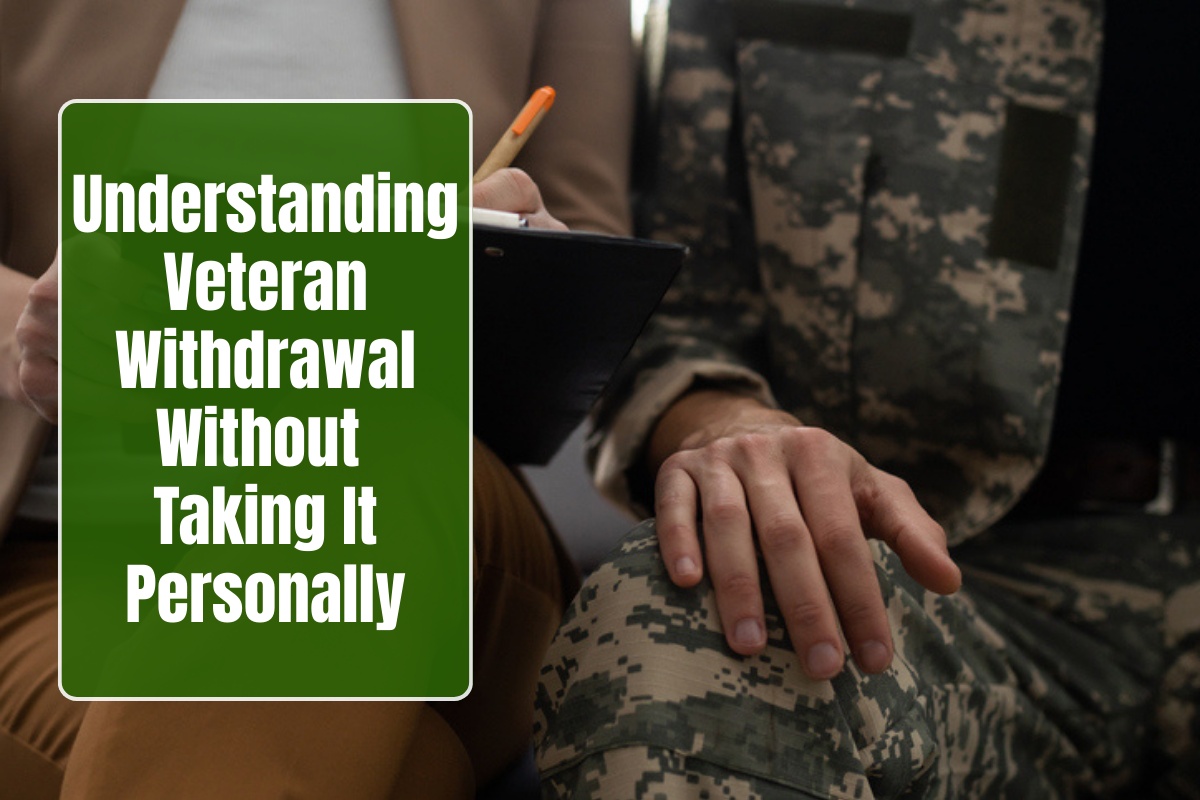
While family support is crucial, it is not a replacement for professional care. Therapy, counseling, and trauma-informed interventions provide tools that families alone cannot. When appropriate, family therapy can address relational patterns affected by trauma and help rebuild trust.
Community understanding also plays a role. Reducing stigma and promoting awareness allows families to seek help without shame. Recovery is often gradual, with progress occurring in stages rather than through sudden change.
Redefining Recovery From PTSD
Recovery from PTSD does not always mean the complete absence of symptoms. From a family-centered perspective, recovery is about restoring connection, safety, and meaning in daily life. Families who adapt together, learn together, and grow together create an environment where healing is possible.
By moving beyond stereotypes and recognizing the shared impact of trauma, families can become powerful partners in recovery. Understanding, patience, and collaboration transform PTSD from an isolating struggle into a journey toward resilience and renewed connection.
FAQs
What are common misconceptions about PTSD?
Many believe PTSD only affects combat veterans or involves constant flashbacks, but it can affect anyone after trauma and often presents in subtle ways.
How does PTSD impact family relationships?
PTSD can cause emotional distance, irritability, or communication difficulties, affecting trust and connection within families.
Why is a family-centered approach important for recovery?
Because trauma affects relationships, involving families improves understanding, reduces conflict, and supports long-term healing.
How can families support someone with PTSD effectively?
By learning about PTSD, communicating with empathy, respecting boundaries, and encouraging professional support.
Does recovery from PTSD mean symptoms completely disappear?
Not always. Recovery often focuses on improved functioning, stronger relationships, and better coping rather than total symptom elimination.