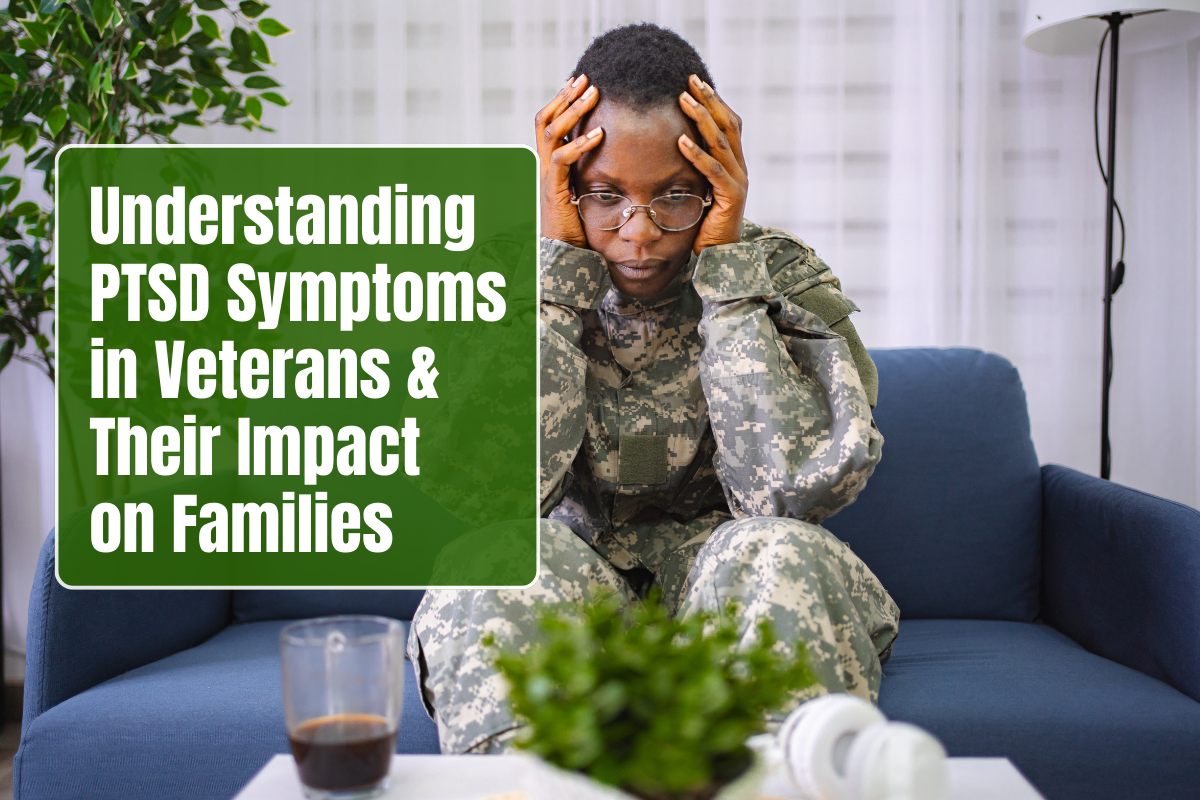
Post-traumatic stress disorder (PTSD) is common among military veterans and can deeply affect not only the veteran but the entire family system, influencing relationships, communication, and children’s well-being. Understanding symptoms and their ripple effects helps families respond with empathy, seek support, and reduce stigma around mental health.
What PTSD Looks Like in Veterans
PTSD in veterans usually develops after exposure to combat, life-threatening events, serious injury, or witnessing death, and symptoms can begin soon after returning home or appear months or years later. These symptoms often fall into four main clusters that shape how veterans think, feel, and behave in daily life.
- Intrusive symptoms: Distressing memories, nightmares, and flashbacks where the veteran feels as if the traumatic event is happening again, often triggered by sounds, smells, or dates. These episodes can cause intense physical reactions such as sweating, rapid heartbeat, or shaking when reminded of the trauma.
- Avoidance: Many veterans avoid people, places, conversations, or activities that remind them of deployment or combat, sometimes withdrawing from social life and family events to feel safer. This can include refusing to talk about the military or shutting down emotionally during triggering situations.
- Negative mood and thinking: PTSD can bring persistent guilt, shame, anger, or a sense of hopelessness, along with loss of interest in previously enjoyed activities and feeling emotionally numb or detached from others. Veterans may struggle to feel love, joy, or closeness even with partners and children, which can confuse and hurt family members.
- Hyperarousal and reactivity: Being constantly “on guard,” easily startled, irritable, or prone to angry outbursts is common, often accompanied by sleep problems and difficulty concentrating. Everyday stress or minor frustrations may trigger intense reactions that seem out of proportion to the situation.
How PTSD Affects Families
PTSD does not stay confined to the veteran; it reshapes family routines, roles, and emotional climates in subtle and obvious ways. Research consistently links veteran PTSD to higher rates of family conflict, parenting challenges, and overall poorer family functioning.
- Relationship strain: Partners of veterans with PTSD report more marital problems, emotional distance, and communication breakdowns compared with partners of veterans without PTSD. Emotional numbing and avoidance can make veterans appear uninterested, indifferent, or uncaring, even when they still deeply value their loved ones.
- Secondary trauma in loved ones: Family members may experience anxiety, depression, irritability, sleep problems, or social withdrawal themselves as they absorb stress and live around unpredictable PTSD symptoms. This “secondary trauma” can leave spouses and caregivers feeling exhausted, hypervigilant, and helpless.
- Safety and conflict: When PTSD symptoms include intense anger, impulsive behavior, or substance use, conflict and risk of emotional or physical aggression in the home can increase. Family members may feel they must constantly “walk on eggshells” to avoid triggering outbursts, which increases fear and tension.
Impact on Children and Parenting
Children of veterans with PTSD often sense that “something is wrong,” even if the trauma is never discussed, and they may adjust their behavior to protect or avoid the parent. Studies show that parental PTSD is associated with poorer family communication and higher rates of emotional and behavioral difficulties in children and adolescents.
- Parenting challenges: Symptoms like emotional numbing, low energy, and irritability can make consistent, warm parenting harder to maintain. Parents with PTSD may struggle with patience, setting limits, or engaging in play and school activities, which can undermine their confidence and satisfaction as caregivers.
- Children’s emotional health: Children may show anxiety, sadness, anger, or behavior problems, and sometimes develop trauma-related symptoms themselves, especially when exposed to conflict or aggression at home. Older children and teens may take on adult responsibilities prematurely, becoming caregivers or mediators in family tensions.
Family functioning and mental health
Research on military-connected families indicates that veterans with PTSD or depression are significantly more likely to report family problems, including unhealthy communication and problem-solving patterns. In some studies, families where a father had probable PTSD or depression showed notably higher rates of communication difficulties and adolescent mental health disorders compared with families without these conditions.
Healing Together: Support and Coping
Although PTSD is serious, it is treatable, and family involvement often strengthens recovery and resilience for everyone. Many veteran-focused systems now promote trauma-informed, family-centered care that supports both the veteran and their loved ones.
- Professional treatment: Evidence-based therapies such as trauma-focused cognitive behavioral therapy, prolonged exposure therapy, and EMDR, often provided through veteran health systems and specialized programs, can significantly reduce symptoms. Medications may also help manage depression, anxiety, or sleep issues related to PTSD when prescribed and monitored by professionals.
- Family education and therapy: Psychoeducation helps families understand PTSD as a health condition rather than a personal failure, reducing blame and stigma. Couple or family therapy can improve communication, rebuild trust, and create shared strategies for navigating triggers and conflict.
- Practical coping strategies at home: Establishing predictable routines, clear communication about stress levels, and agreed “time-out” plans during conflict can reduce escalation. Support groups for spouses, children, and caregivers of veterans provide validation, coping tips, and a sense of community.
Families benefit when they recognize that healing from trauma is a long-term process, and progress may come in small steps rather than sudden transformation. Compassion, patience, and willingness to seek outside support are key protective factors for both the veteran and their loved ones.
FAQs
Q1. Is PTSD in veterans common?
Yes. PTSD is more common in veterans than in the general population because of higher exposure to combat, threats to life, and repeated traumatic events during service.
Q2. Can PTSD appear years after leaving the military?
Yes. Symptoms may start soon after trauma or be delayed for months or years, sometimes triggered by later life stress or reminders of deployment.
Q3. How can a family member recognize PTSD in a veteran?
Signs include nightmares, flashbacks, strong reactions to reminders, emotional withdrawal, loss of interest, irritability, sleep problems, and being constantly on alert, especially when these changes persist.
Q4. Do family members of veterans develop PTSD themselves?
Family members may develop secondary traumatic stress or PTSD-like symptoms when repeatedly exposed to a loved one’s trauma reactions, particularly in homes with high conflict or violence.
Q5. What should families do if they suspect PTSD?
Encourage the veteran to seek assessment and treatment through veteran health services or mental health professionals and consider family counseling or support groups for yourself as well. Early help reduces suffering and improves outcomes for both the veteran and the family.