Healthy relationships depend on communication, yet many conflicts persist not because people lack care, but because they lack effective tools. Misunderstandings, emotional reactivity, and unresolved tension can gradually erode trust and connection. Relationship coaching offers a practical, forward-focused approach to improving communication and conflict resolution by helping individuals and couples develop skills, awareness, and shared strategies that lead to lasting change.
Why Communication Breaks Down in Relationships
Communication problems often arise when emotions run high, expectations go unspoken, or past experiences shape present reactions. People may talk frequently yet feel unheard, misunderstood, or dismissed.
Common challenges include:
- Defensive or reactive responses
- Avoidance of difficult conversations
- Misinterpretation of tone or intent
- Unclear expression of needs and boundaries
Without tools to manage these patterns, conflicts repeat and escalate over time.
How Coaching Differs From Traditional Advice or Therapy
Coaching is skill-based and future-oriented. Rather than focusing primarily on diagnosing problems or analyzing the past, coaching emphasizes awareness, accountability, and practical strategies that can be applied immediately.
In relationship coaching, individuals learn how to communicate more effectively and how to navigate conflict constructively, with guidance tailored to their specific dynamics and goals.
Building Self-Awareness as the Foundation
Effective communication begins with self-awareness. Coaching helps individuals recognize their communication style, emotional triggers, and habitual responses during conflict.
By understanding personal patterns—such as shutting down, over-explaining, or becoming defensive—clients gain the ability to pause and choose more constructive responses. This awareness reduces automatic reactions that often fuel conflict.
Strengthening Active Listening Skills
One of the most powerful tools coaching develops is active listening. Many conflicts persist because people listen to respond, not to understand.
Coaching emphasizes:
- Listening without interrupting
- Reflecting back what was heard
- Validating emotions even when disagreeing
When individuals feel genuinely heard, defensiveness decreases and productive dialogue becomes possible.
Improving Emotional Regulation During Conflict
Conflict is rarely just about facts—it is driven by emotion. Coaching supports emotional regulation by helping individuals recognize rising stress and apply techniques to stay grounded.
Learning to manage emotions during difficult conversations allows partners to address issues without escalation. Calm communication leads to clearer thinking, better problem-solving, and less regret afterward.
Clarifying Needs, Expectations, and Boundaries
Many relationship conflicts stem from unspoken or misaligned expectations. Coaching helps individuals articulate needs clearly and respectfully, rather than through frustration or resentment.
This process includes:
- Expressing needs without blame
- Setting healthy boundaries
- Asking directly rather than hinting
Clear communication reduces assumptions and prevents small issues from turning into major conflicts.
Shifting From “Winning” to Resolving
In unresolved conflict, conversations often become about being right rather than being understood. Coaching reframes conflict as a shared problem to solve, not a battle to win.
This mindset shift encourages collaboration, mutual respect, and solutions that consider both perspectives. When partners feel they are on the same team, resolution becomes more achievable.
Addressing Conflict Patterns, Not Just Events
Coaching looks beyond individual disagreements to identify recurring patterns. These may include cycles of pursuit and withdrawal, repeated arguments over the same issues, or avoidance followed by emotional outbursts.
By recognizing patterns, individuals can interrupt them intentionally and replace them with healthier responses. This prevents conflict from becoming entrenched over time.
Practicing New Skills in Real-Life Situations
Coaching is action-oriented. Clients are encouraged to practice new communication and conflict-resolution skills between sessions, applying them in real interactions.
This practice builds confidence and turns insight into habit. Over time, healthier communication becomes more natural and less effortful.
Supporting Mutual Growth and Accountability
In relationship coaching, both parties are encouraged to take responsibility for their role in communication breakdowns. Coaching avoids blame and instead focuses on growth and accountability.
When individuals commit to change together, trust deepens and conflict becomes an opportunity for understanding rather than division.
Enhancing Long-Term Relationship Resilience
Improved communication and conflict resolution do more than reduce arguments—they strengthen the overall relationship. Couples and individuals who develop these skills are better equipped to navigate future challenges, transitions, and stressors.
Resilient relationships are not conflict-free; they are conflict-capable. Coaching helps build that capacity.
Frequently Asked Questions (FAQ)
Q. Is coaching only for couples in serious trouble
No. Coaching is effective for improving communication at any stage, including healthy relationships seeking growth.
Q. Can coaching help if only one person participates
Yes. Changes in one person’s communication style can positively influence the entire relationship dynamic.
Q. How is coaching different from giving advice
Coaching helps individuals develop their own skills and solutions rather than telling them what to do.
Q. Does coaching avoid difficult conversations
No. It helps people engage in difficult conversations more effectively and with less emotional harm.
Q. How long does it take to see improvement
Many people notice changes within weeks as new skills are practiced consistently.
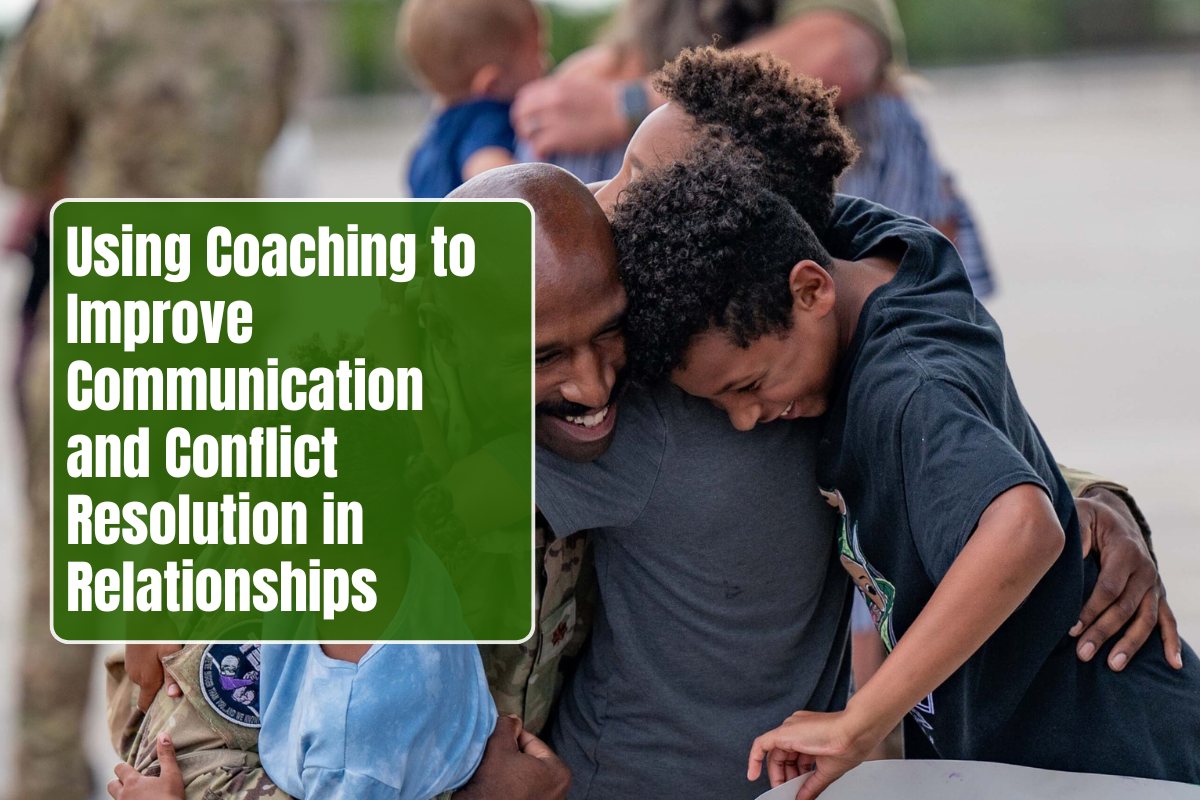
Using coaching to improve communication and conflict resolution empowers individuals and couples to move from reactive patterns to intentional connection. By building awareness, emotional regulation, and practical communication skills, coaching transforms conflict from a source of division into an opportunity for understanding and growth. When communication improves, relationships become not only more peaceful, but more resilient, respectful, and deeply connected.