Emotional recovery—whether from trauma, loss, major life transitions, illness, or prolonged stress—does not happen in isolation. Families often play the most important role in ...
Change within a family is rarely simple. Even when everyone wants things to improve, attempts to address problems can easily lead to defensiveness, arguments, ...
Discussing sensitive topics—such as emotions, conflict, boundaries, past experiences, or difficult decisions—can feel intimidating for many people. Fear of judgment, misunderstanding, or emotional escalation ...
Coaching principles empower U.S. families to enhance communication by fostering active listening, goal-setting, and empathy, drawing from evidence-based practices like those in Parent-Child Interaction ...
Healthy relationships depend on communication, yet many conflicts persist not because people lack care, but because they lack effective tools. Misunderstandings, emotional reactivity, and ...
Post-traumatic stress disorder (PTSD) does not affect only the individual—it impacts the entire family system. Spouses, partners, parents, and children often experience confusion, emotional ...
Coaching provides families facing PTSD and mental health challenges with structured, non-clinical guidance to build resilience, improve communication, and manage daily stressors effectively. Unlike ...
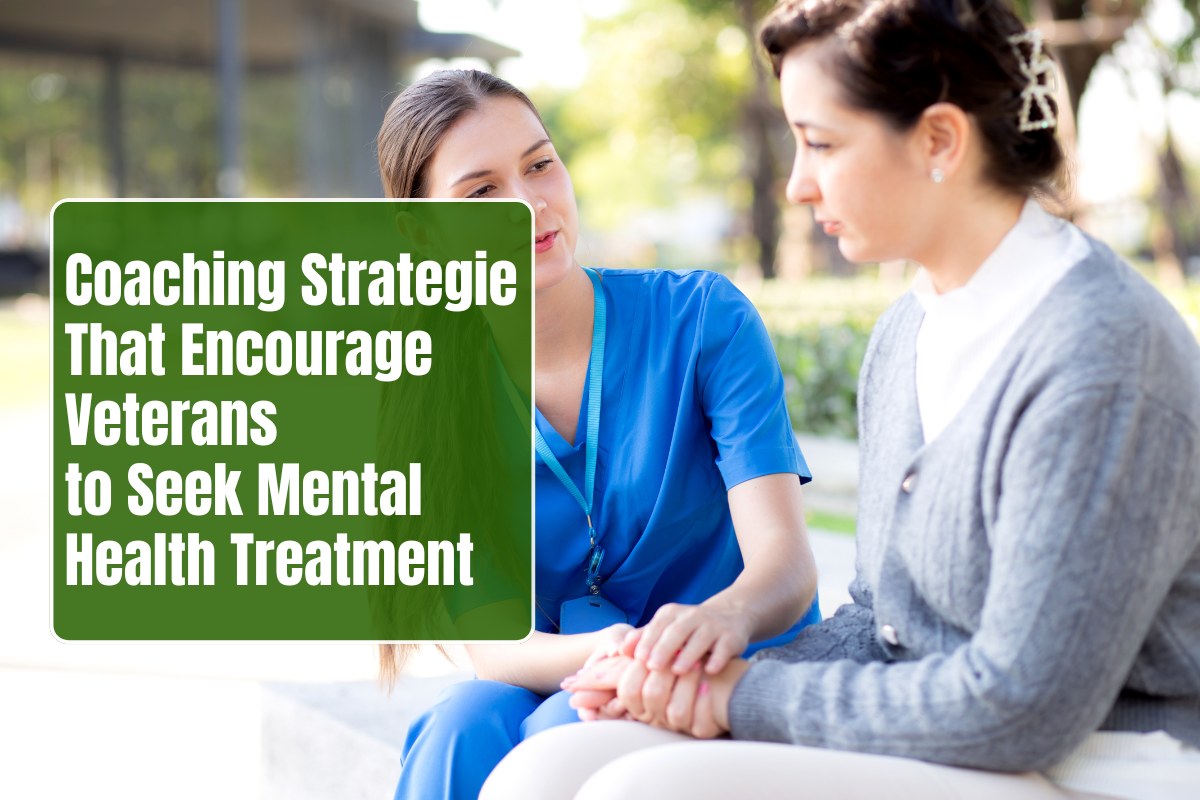
Coaching partners of veterans to encourage mental health treatment requires empathy, patience, and evidence-based strategies that address stigma and barriers like PTSD denial or ...
Family coaching equips partners of veterans with PTSD to provide effective support, delivering psychoeducation, coping skills, and communication strategies that reduce caregiver burden by ...
Veterans often face significant barriers to mental health care, including stigma, rural access issues, and cultural norms favoring self-reliance. Effective coaching strategies, particularly peer-led ...