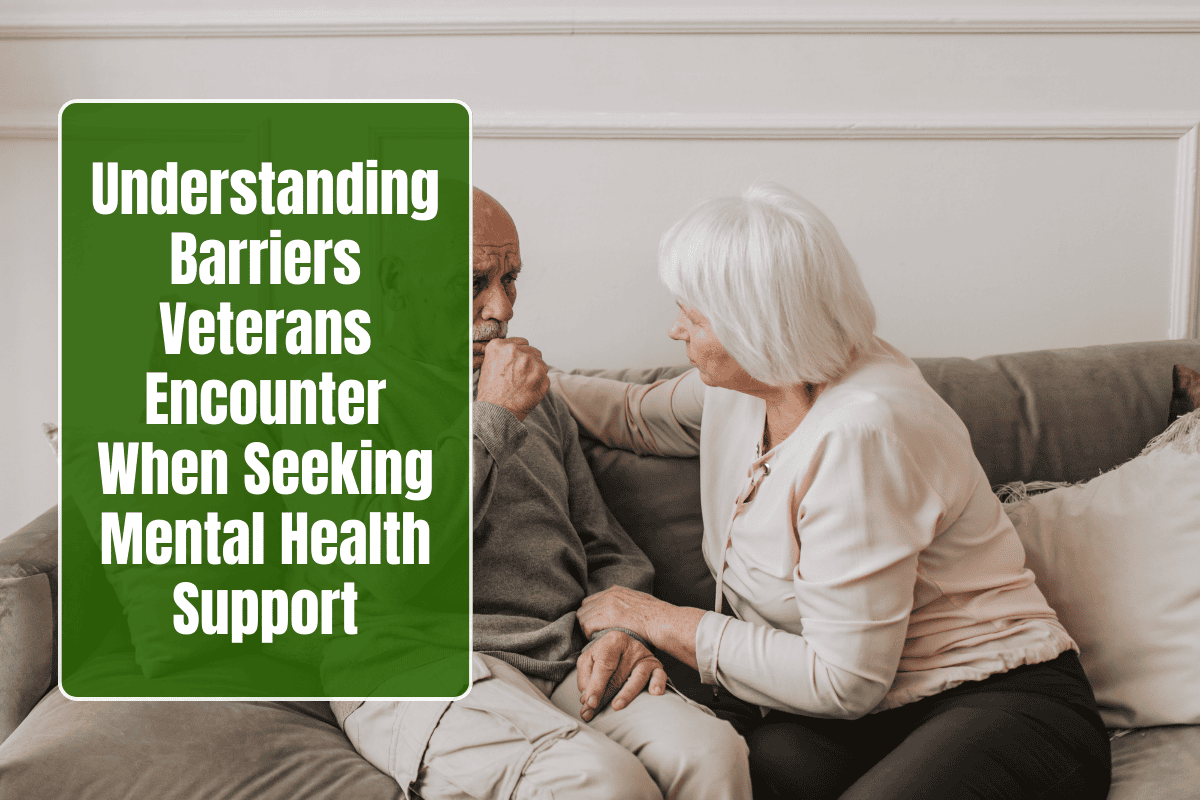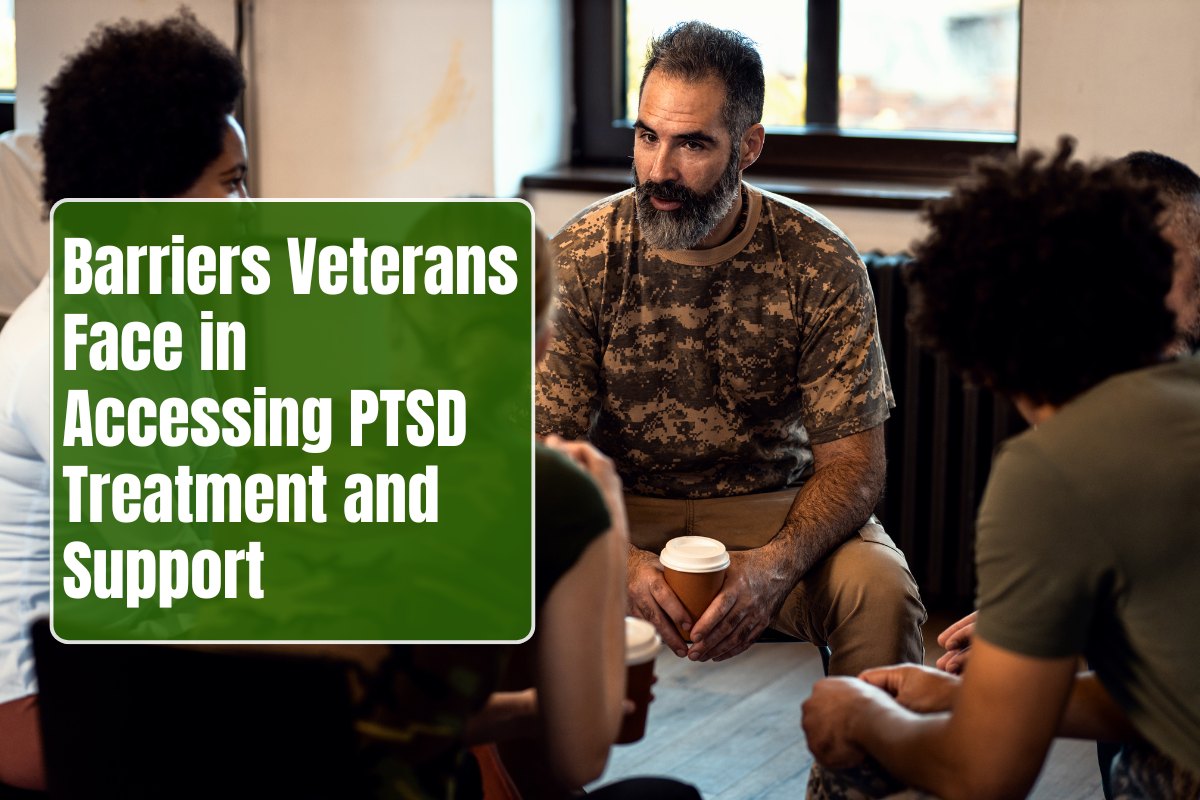
Veterans encounter multiple barriers to accessing PTSD treatment and support, with only 22-40% receiving care despite 10-30% prevalence rates, driven by stigma, access gaps, and systemic hurdles. These obstacles delay recovery, heighten suicide risks (40% undiagnosed), and strain families, yet targeted reforms like telehealth show promise. Overcoming them demands addressing cultural, practical, and structural factors holistically.
Stigma and Cultural Resistance
Military culture prioritizes stoicism, framing mental health help as weakness, with 60-70% citing embarrassment or fear of judgment. Veterans internalize self-stigma, viewing PTSD as personal failure rather than treatable injury, leading to denial or “toughing it out.” Public stigma—peer distancing or career harm—deters 37.9% from interacting socially for care.
Demographic variances amplify: women face childcare stigma; minorities encounter cultural mistrust. Destructive leadership reinforces this, tripling dropout via shame.
Logistical and Access Challenges
VA wait times average months due to provider shortages, affecting rural veterans (38% of PTSD cases) with travel barriers. Work/school conflicts (30.3%), public difficulties (33.8%), and childcare block 77%. Eligibility requires honorable discharge; non-enrollees struggle with awareness.
Financial concerns persist despite VA coverage—out-of-pocket costs, complex navigation overwhelm. Telehealth helps but tech access lags in underserved areas.
Distrust in Systems and Efficacy
Confidentiality fears—records impacting jobs/benefits—affect 77%, fueled by past breaches or inefficiencies. Skepticism abounds: “therapy reopens wounds” or “permanent damage,” ignoring 60-90% EBP success like PE/CPT. Negative prior encounters erode trust.
OEF/OIF veterans report more barriers like criminal justice concerns vs. earlier eras.
Knowledge and Awareness Gaps
Limited MH literacy leads to misattribution as “readjustment,” delaying recognition. Veterans unaware of services or symptoms overlook needs until crisis. Linguistic/cultural mismatches hinder diverse groups.
Demographic and Practical Variations
Black/other-race veterans face interaction barriers more than Whites; females cite school/childcare. Seniors worry time/cost; comorbidities like SUD complicate.
Solutions and Pathways Forward
Telehealth, peer outreach, stigma campaigns boost uptake; culturally competent care addresses disparities. VA initiatives like collaborative care integrate MH/physical health, reducing stigma. On-site childcare, simplified benefits enhance access.
FAQs
Q1: What stigma barrier hits hardest?
60-70% fear weakness/judgment; self-stigma triples dropout.
Q2: How do VA waits impact care?
Months-long due to shortages; rural travel worsens for 38%.
Q3: Why distrust confidentiality?
Fears job/benefit harm; 77% cite, plus past inefficiencies.
Q4: Do demographics vary barriers?
Women: childcare; minorities: interactions; OEF/OIF: work/public issues.
Q5: How fix knowledge gaps?
MH literacy campaigns; normalize via “About Face” videos.
Q6: What solutions work best?
Telehealth, peers, integrated care; culturally competent options.