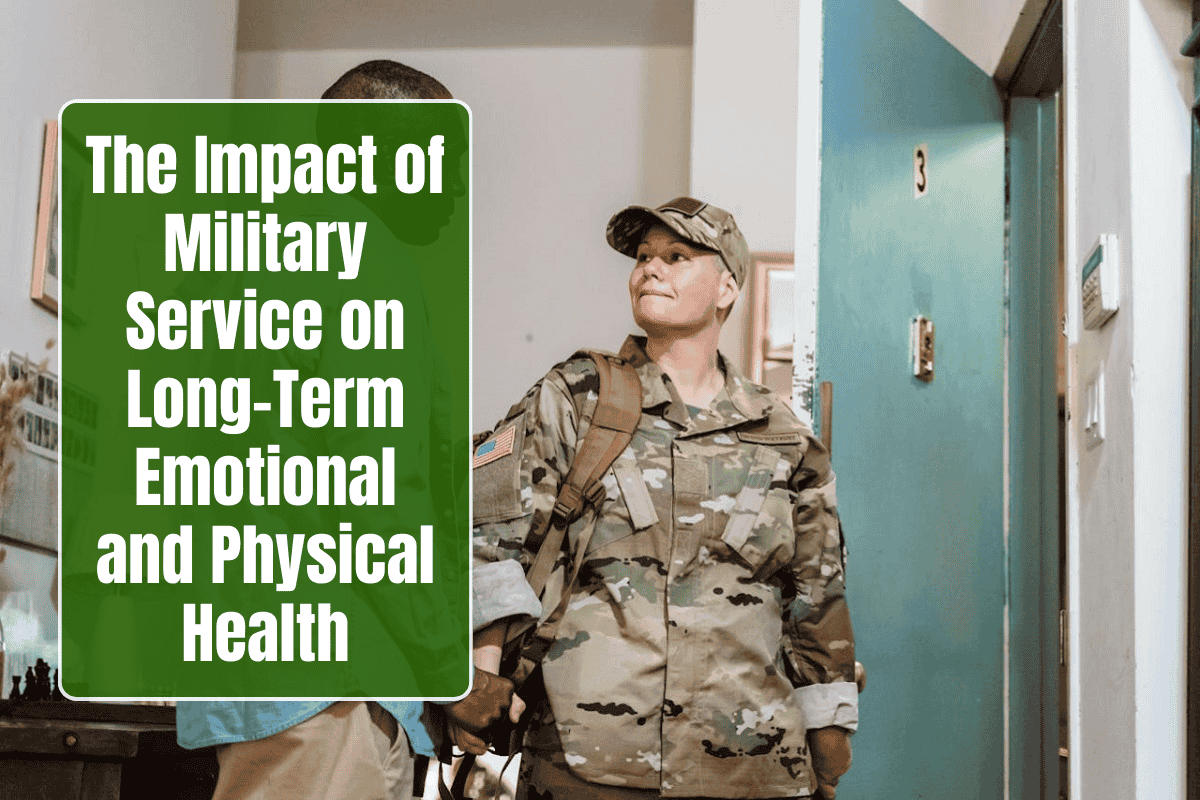
Military service profoundly shapes veterans’ long-term emotional and physical health, often yielding both resilience benefits and enduring challenges. US studies reveal higher rates of chronic conditions and mental health struggles among veterans compared to civilians, though support systems like VA care mitigate some risks.
Physical Health Impacts
Veterans face elevated chronic disease risks that emerge years post-service. Vietnam-era data shows service linked to 22% higher mortality by 36 years out, driven by diabetes, joint issues, and back problems—effects absent immediately but compounding over decades.
Longitudinal analyses confirm disparities: Veterans report 71% obesity (vs. 60% civilians), 19% diabetes (vs. 16%), and 12% heart disease (vs. 7%), even age-adjusted. Smoking initiation during service explains 35-79% of excess heart disease and lung cancer deaths from WWII/Korea eras. Musculoskeletal woes and hearing loss persist, tied to training rigor and exposures.
The “healthy soldier effect” fades: Initial fitness erodes via injuries, with VA non-elderly showing triple diabetes prevalence.
Emotional and Mental Health Effects
Over 33% of new veterans report chronic mental conditions like PTSD, anxiety, and depression shortly after separation, with pain and sleep issues compounding. Surveys of 10,000 indicate 53% chronic physical overlap, dropping health satisfaction over months.
Combat stressors accelerate “weathering,” heightening all-cause mortality risks attenuated by socioeconomic factors post-service. Behavioral shifts—heavy drinking, tobacco—persist, fueling emotional tolls, though adjusted models show no net mortality excess when controlling for these.
Positive Outcomes and Resilience
Service builds grit: Veterans often excel in discipline and camaraderie, lowering some risks via fitness habits. Moderate activity rates exceed civilians (43.6% vs. 41.7%), and VA access catches issues early. Qualitative UK/US studies note fitter enlistees, with long-term gains in purpose offsetting strains.
Risk Factors Breakdown
From NHIS and Vietnam cohorts.
Mitigation Through Care
VA surveillance tracks burdens like non-communicable diseases dominating active-duty morbidity. Early interventions—screenings, therapy—curb trajectories; protein-rich diets and inflammation checks (CRP, HbA1c) independently lower mortality.
Post-9/11 vets benefit from TBI/burn-pit monitoring, though lags challenge attribution. Socioeconomic supports post-discharge blunt disparities.
Long-Term Trajectories
By midlife, unadjusted mortality edges higher, but holistic factors equalize outcomes. Weathering from deployments raises chronic loads, yet resilience aids civilian transitions. Congress mandates exposure tracking (e.g., Fukushima response), refining care.
US policy emphasizes prevention, with MSMR reports prioritizing readiness-relevant health.
FAQs
1. Immediate vs. long-term effects?
Short-term: Smoking spikes; long-term: Chronic diseases emerge 6+ years out.
2. Healthy soldier effect real?
Yes initially, but erodes via behaviors and injuries.
3. Mental health prevalence?
33% chronic post-separation; overlaps physical pain.
4. Smoking’s role?
35-79% of excess heart/lung deaths.
5. VA care differences?
Triples diabetes detection; attenuates mortality risks.