Veterans in the US often face significant hurdles when seeking mental health support, despite high rates of PTSD, depression, and suicide—31.6 per 100,000 vs. 18 for civilians. These barriers stem from military culture, systemic issues, and personal fears, delaying care for up to 70% who need it, per VA studies.
Stigma Rooted in Military Culture
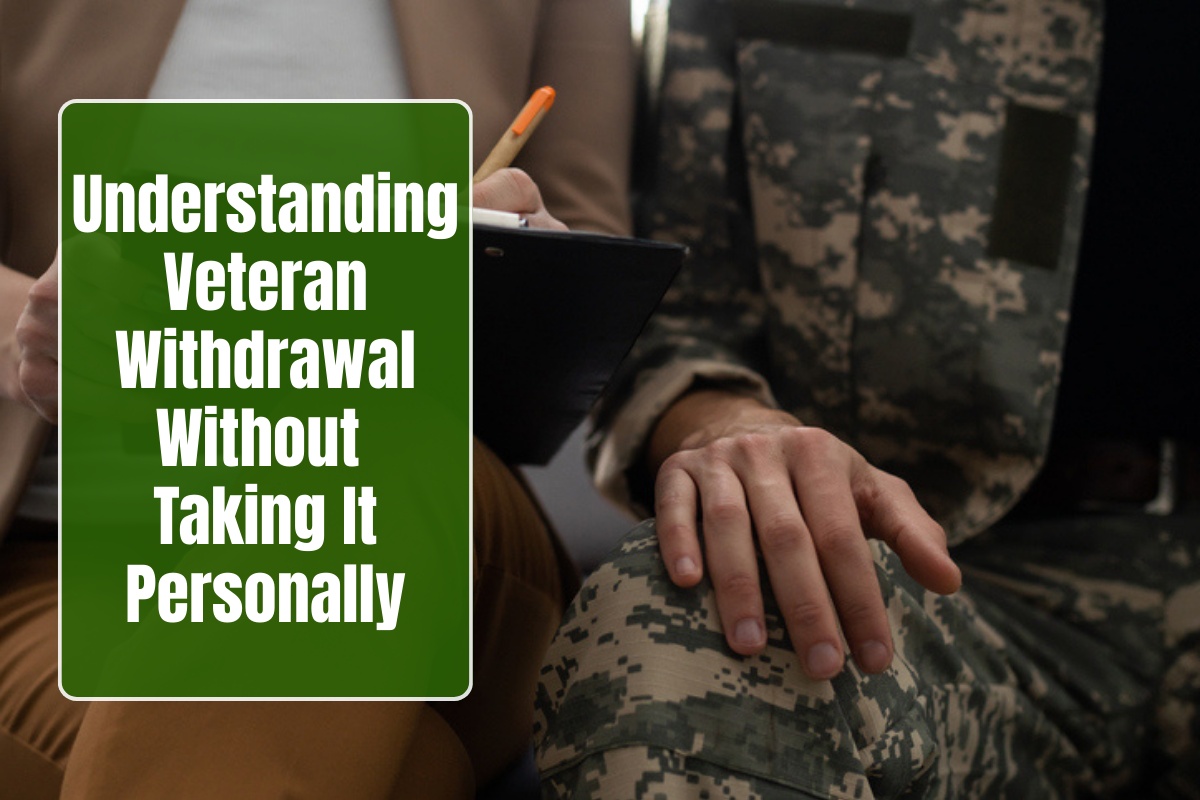
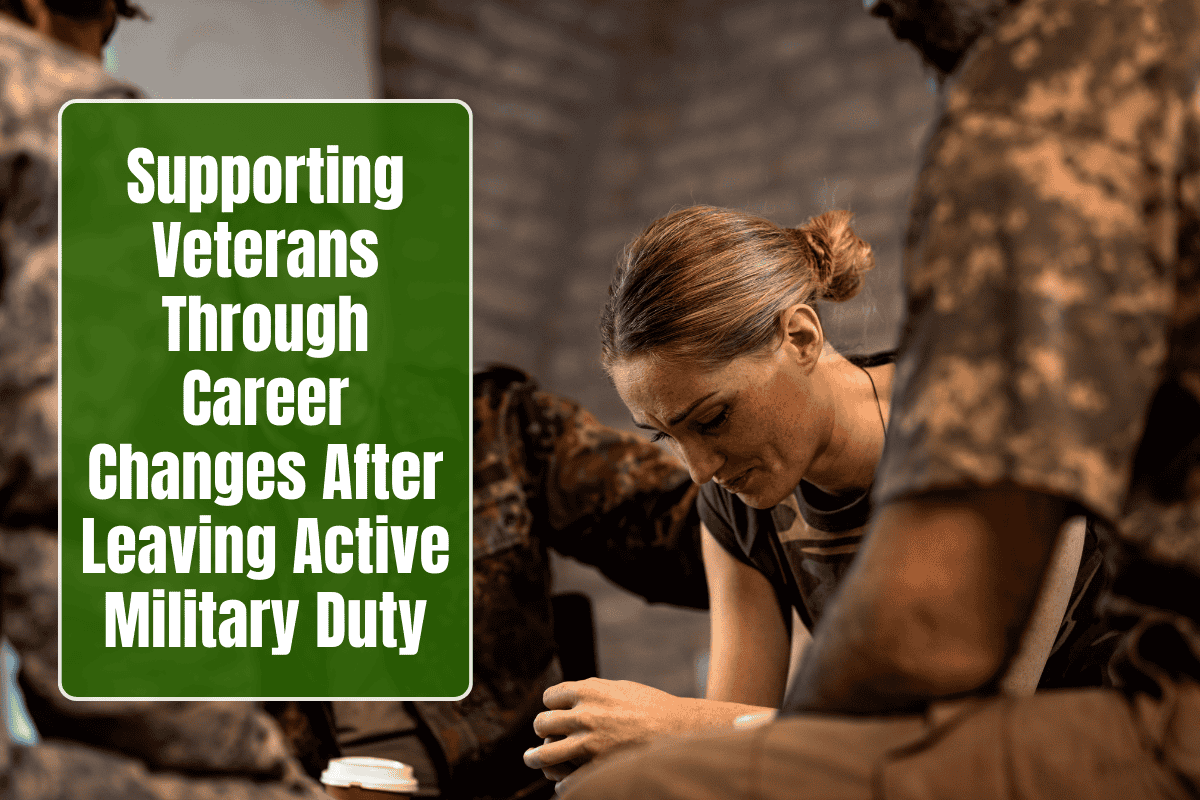
The “suck it up” ethos instills fears of weakness, with many veterans avoiding help to evade labels like “crazy” or career damage. Border region studies show this mindset persists post-service, clashing with civilian norms and fostering isolation.
Stigma hits minorities harder—racial discrimination erodes trust, leading to shame and dropout rates 20-30% higher. Women veterans report added gender biases in VA settings.
Access and Navigation Challenges
VA wait times average 20-30 days, pushing 40% to community care where mental health patients rate experiences lower due to poor coordination. Rural vets drive hours; urban ones face no-show risks from work conflicts.
Complex eligibility—Pact Act expansions help but confuse with income tiers—deters 25%. Non-VA providers lack trauma training, yielding suboptimal outcomes.
Distrust and Negative Experiences
Past maltreatment, like dismissive docs or misdiagnoses, breeds skepticism; 35% cite discrimination exacerbating anxiety. Online tools appeal as stigma-free alternatives, but only 15-20% use them effectively.
Family strains—divorce rates double post-deployment—compound issues, yet privacy fears block couple’s counseling.
Logistical and Financial Hurdles
Work schedules clash with appointments; fatigue and depression cause no-shows. Copays, even $15-50, burden fixed-income vets; TRICARE gaps leave 10% uninsured.
Transport in rural states like Montana or Texas adds 1-2 hours, while child care voids family support.
Psychological Barriers to Entry
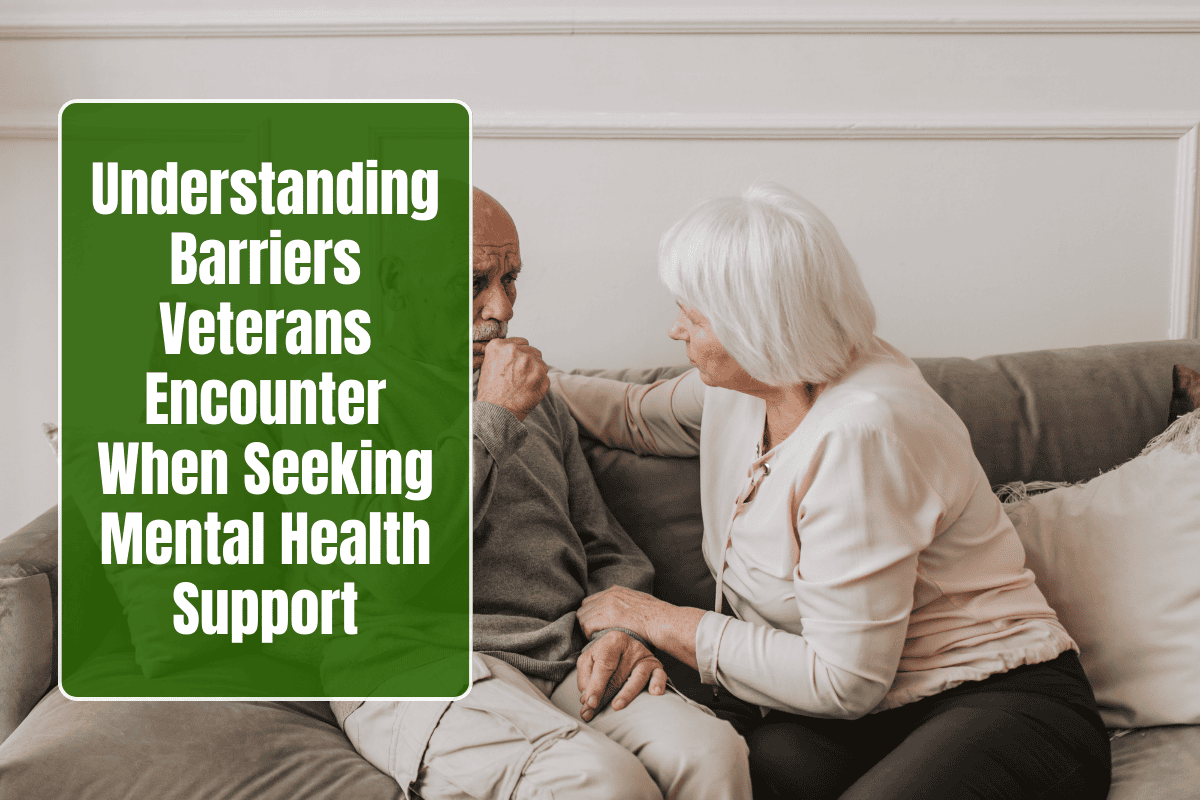
Self-doubt, fear of vulnerability, and trigger exposure deter intake; many endure silently until crisis. Suicidality doubles OMHT use (apps/counselors), but face-to-face lags.
Adjustment woes—alienation from civilians—worsen isolation; 60% feel misunderstood.
VA and Community Solutions Emerging
Pact Act boosts outreach with 2026 overhauls adding 500K providers; telehealth jumps 300% usage. Peer specialists—vets helping vets—cut stigma 40%.
Programs like Care After Combat offer rapid, confidential access; CHIS data links stigma reduction to higher engagement.
Breaking Barriers Through Policy
Biden-era funding targets equity—$20B for mental health—with mobile clinics in high-risk areas. Training mandates for providers on military culture; apps like PTSD Coach bridge gaps.
Metrics show promise: suicide prevention lines handle 1M calls yearly, dropping attempts 15% among users.
Hope for the Future
Targeted interventions—bias training, same-day slots—could close gaps, saving lives and aiding reintegration. Vets deserve support matching their service.
FAQs
1. What is the top barrier for veterans seeking mental health care?
Stigma from military culture, fearing weakness or career harm.
2. How does VA access compare to community care?
VA waits frustrate, but community care scores lower for mental health patients.
3. Why do minority veterans face extra hurdles?
Discrimination and mistrust reduce engagement 20-30%.
4. Are online tools effective alternatives?
Yes, stigma drives use, especially for suicidal vets.
5. What policy changes help in 2026?
Pact Act expansions and telehealth overhauls boost access.