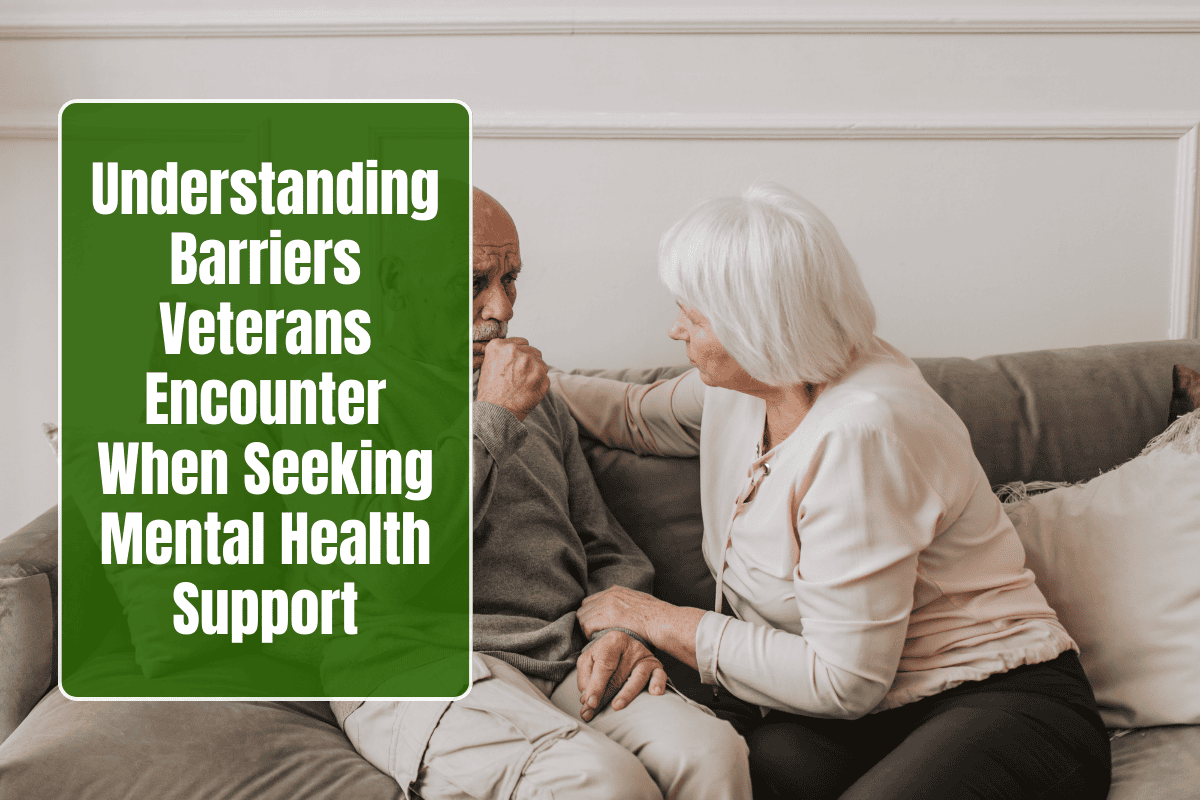
Military service can expose individuals to intense stress, trauma, and life-altering experiences. As a result, many veterans experience mental health challenges such as post-traumatic stress, depression, anxiety, and substance use disorders.
While mental health support systems exist to assist veterans, accessing and navigating these services is often far more difficult than expected. Understanding the barriers veterans face is essential for improving access, outcomes, and long-term well-being.
Complex and Fragmented Support Systems
One of the most significant barriers veterans encounter is the complexity of mental health support systems. Services are often spread across multiple agencies, providers, and programs, each with different eligibility requirements, referral processes, and documentation standards. Navigating this fragmented landscape can be overwhelming, especially for veterans already dealing with emotional distress.
The lack of a single, coordinated point of entry means veterans may struggle to determine where to start, which services they qualify for, or how to transition between levels of care.
Stigma and Cultural Barriers
Stigma remains a powerful obstacle to seeking mental health support among veterans. Military culture often emphasizes resilience, self-reliance, and emotional control. While these traits are valuable in service, they can make it difficult for veterans to acknowledge mental health needs or ask for help.
Some veterans fear being perceived as weak, unreliable, or judged by peers and family members. This stigma can delay care, allowing symptoms to worsen before support is sought.
Long Wait Times and Limited Availability
Even when veterans seek help, long wait times for appointments can be a major deterrent. Shortages of mental health professionals, especially those trained in trauma-informed and veteran-specific care, contribute to delays. In some cases, veterans may wait weeks or months for initial assessments or follow-up appointments.
These delays can be especially harmful during periods of crisis, when timely intervention is critical.
Geographic and Transportation Challenges
Veterans living in rural or remote areas often face additional barriers due to limited local services. Mental health clinics may be located far from where they live, requiring long travel times or reliable transportation that is not always available.
Telehealth has expanded access in some regions, but not all veterans have the necessary technology, internet connectivity, or comfort with virtual care to fully benefit from these services.
Difficulty Navigating Eligibility and Benefits
Understanding eligibility criteria, benefits, and coverage options can be confusing and frustrating. Veterans may be unsure which services are covered, how to enroll, or what documentation is required. Errors or delays in processing paperwork can interrupt care or discourage continued engagement.
For veterans with cognitive difficulties, anxiety, or trauma-related symptoms, managing administrative tasks can feel especially burdensome.
Lack of Culturally Competent Care
Not all mental health providers are familiar with military culture or the unique experiences of veterans. When veterans feel misunderstood or forced to repeatedly explain their service background, trust can erode. This lack of cultural competence may lead to miscommunication, ineffective treatment, or early disengagement from care.
Veterans often benefit most from providers who understand military life, combat stress, and the transition to civilian identity.
Transition Challenges After Service
The transition from military to civilian life is a vulnerable period for mental health. Loss of structure, identity, and social support can intensify existing symptoms. Unfortunately, many veterans fall through gaps in care during this transition, particularly if mental health needs are not identified or addressed early.
Without proactive outreach and continuity of care, veterans may struggle alone during this critical adjustment period.
Emotional Toll of Re-Telling Trauma
Navigating support systems often requires veterans to recount traumatic experiences multiple times to different providers or administrators. Repeatedly revisiting trauma without consistent therapeutic support can be emotionally exhausting and discouraging, leading some veterans to disengage from the process entirely.
Moving Toward More Accessible Support
Reducing barriers for veterans requires coordinated systems, trauma-informed practices, culturally competent care, and simplified access points. Peer support, case management, and family involvement can also play vital roles in helping veterans navigate mental health services more effectively.
By recognizing and addressing these barriers, support systems can better honor veterans’ service and ensure they receive the care they deserve.
FAQs
Why do veterans struggle to access mental health support?
They face complex systems, stigma, long wait times, and administrative and geographic barriers that make access difficult.
How does stigma affect veterans seeking help?
Military culture can discourage help-seeking, leading veterans to delay care due to fear of judgment or appearing weak.
Are rural veterans at higher risk of limited access?
Yes, rural veterans often face fewer nearby services, transportation challenges, and limited provider availability.
Why is culturally competent care important for veterans?
Providers who understand military experiences build trust and deliver more effective, relevant treatment.
What can improve veterans’ access to mental health services?
Simplified systems, coordinated care, trauma-informed practices, peer support, and proactive outreach can significantly reduce barriers.