PTSD triggers are sensory, emotional, or situational cues that reactivate trauma memories, causing intense distress like flashbacks, panic, or dissociation in loved ones. Understanding ...
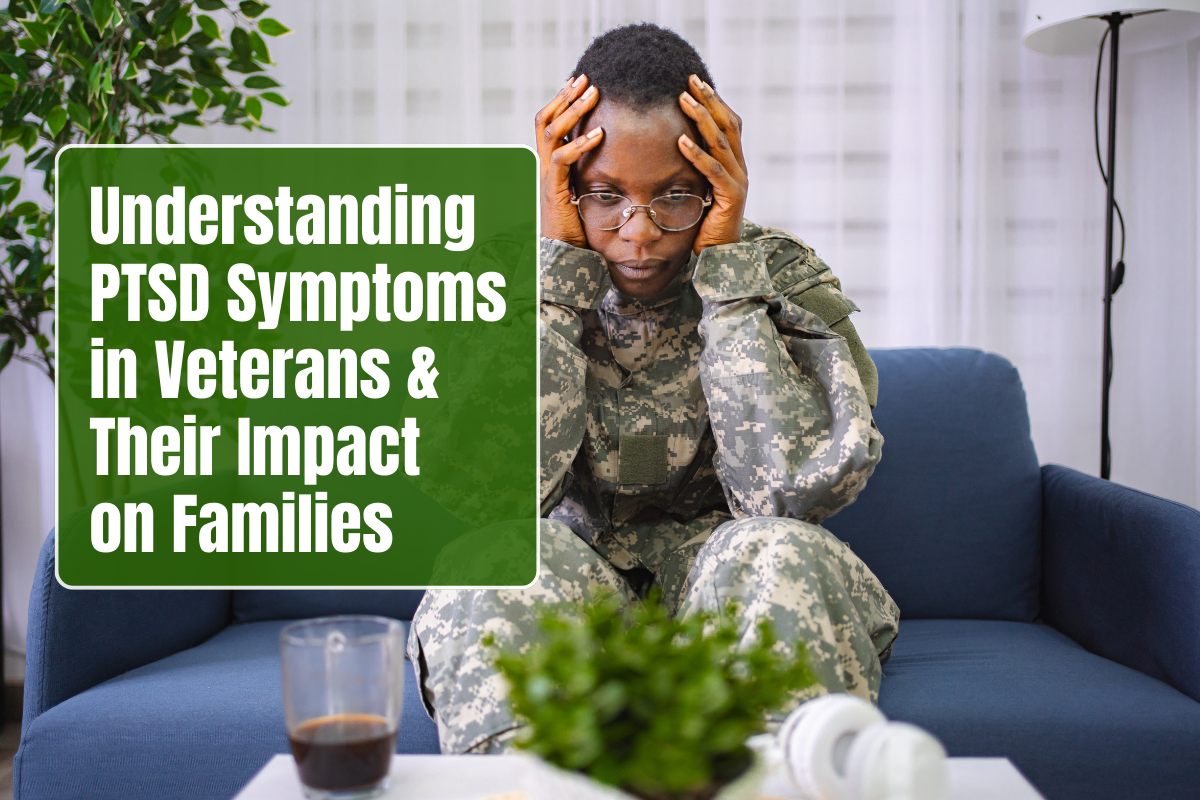
Post-traumatic stress disorder (PTSD) is common among military veterans and can deeply affect not only the veteran but the entire family system, influencing relationships, ...
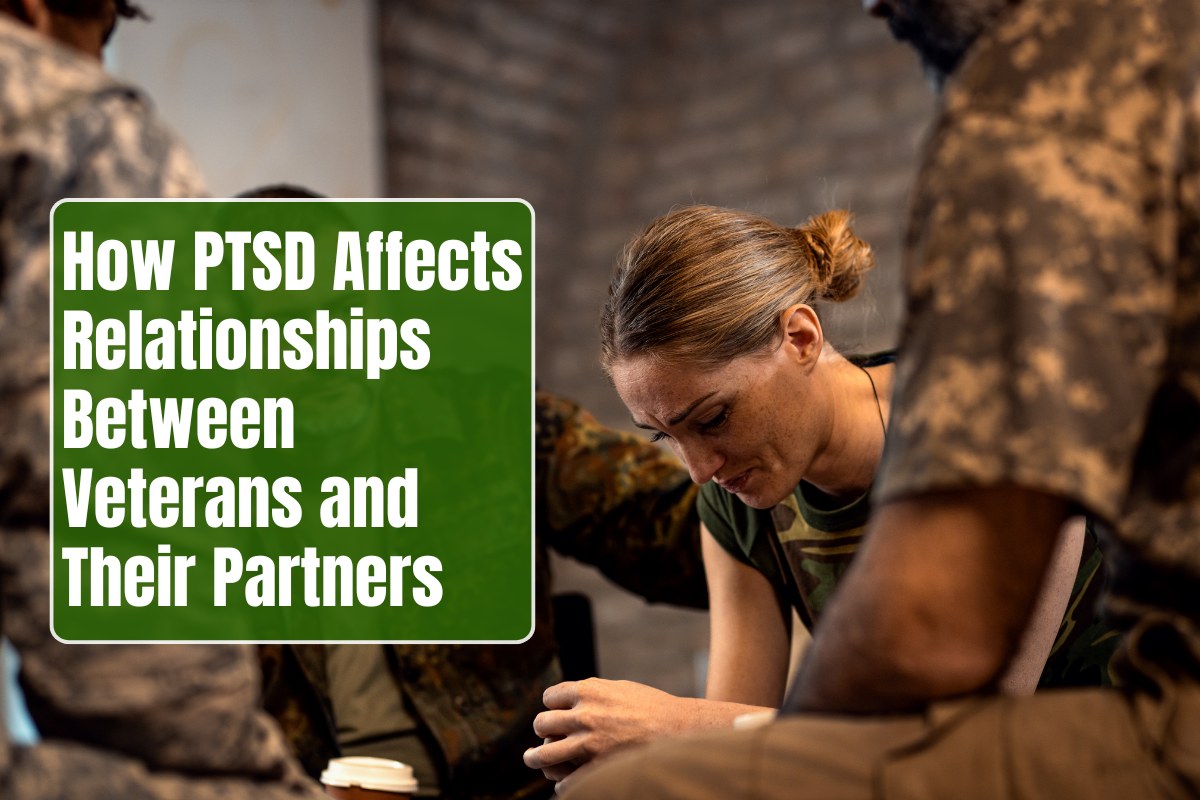
Post-traumatic stress disorder (PTSD) profoundly strains relationships between veterans and their partners, often leading to emotional distance, communication breakdowns, and higher divorce rates. These ...
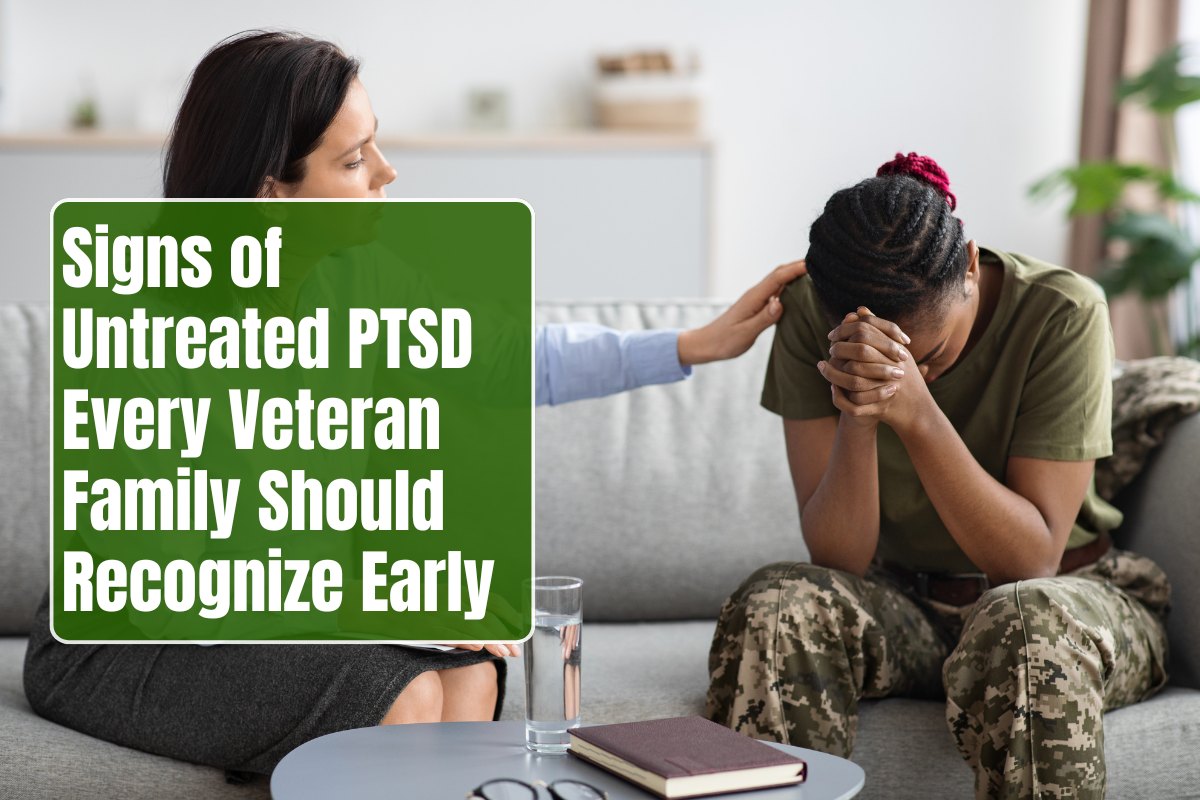
Post-traumatic stress disorder (PTSD) in veterans often goes untreated, allowing subtle early signs to escalate into severe family disruptions if families remain unaware. Recognizing ...
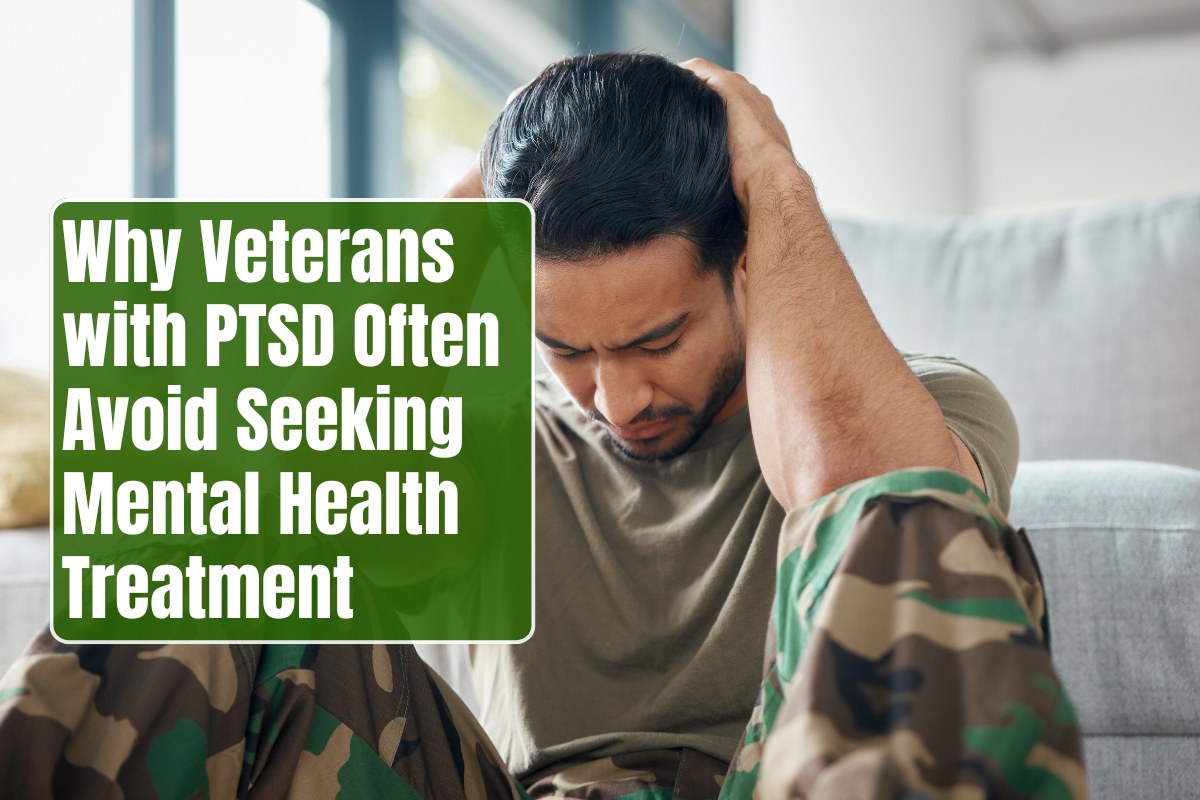
Veterans with PTSD frequently delay or avoid mental health treatment despite severe symptoms, with studies showing only 22-40% of those affected seeking care due ...
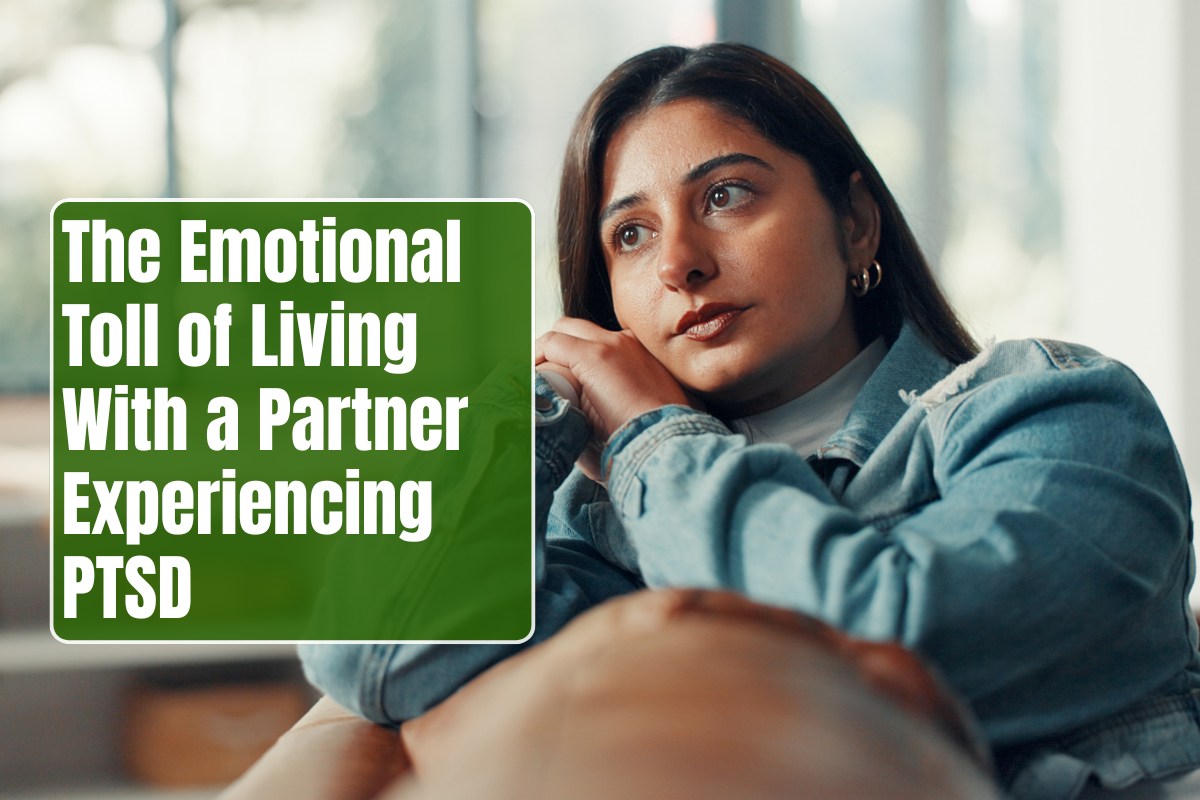
Living with a partner experiencing PTSD imposes a profound emotional toll on spouses, manifesting as secondary trauma, chronic stress, and eroded well-being that often ...
Family support plays a pivotal role in enhancing PTSD recovery for veterans, boosting treatment engagement, symptom reduction, and relationship health through encouragement, psychoeducation, and ...
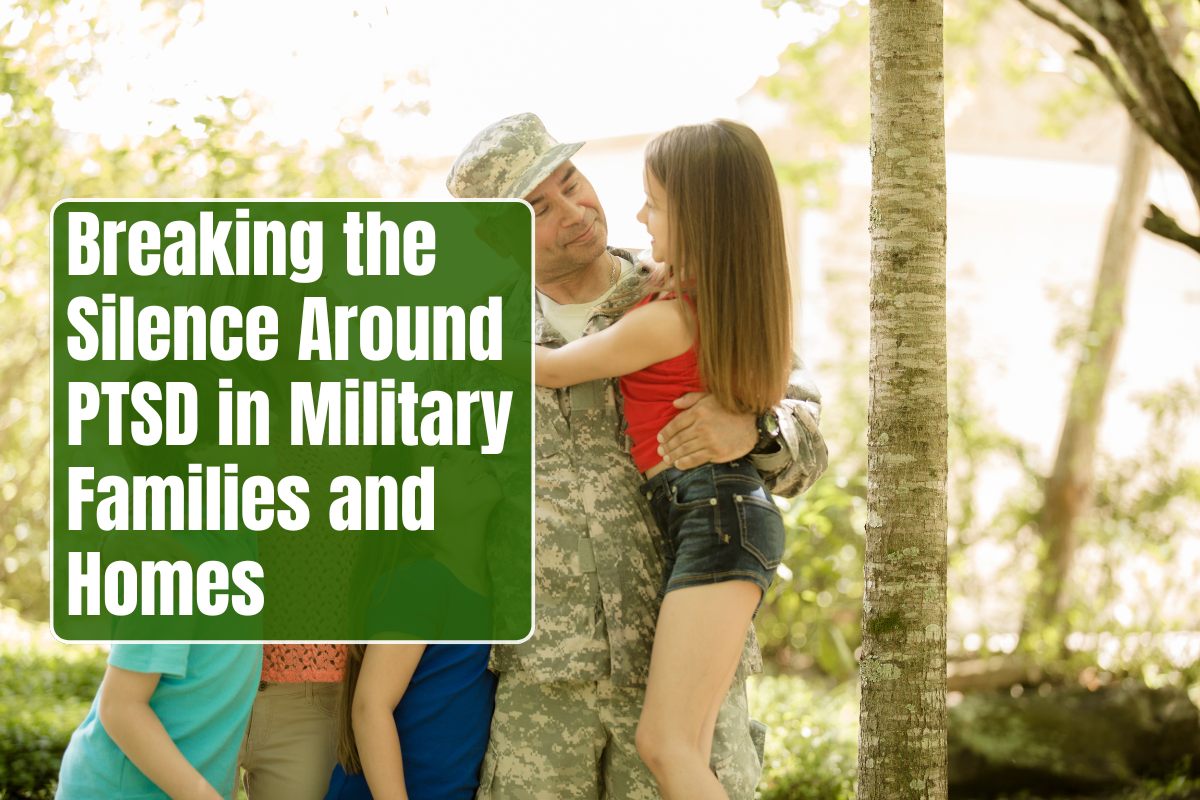
Post-traumatic stress disorder (PTSD) continues to cast a long shadow over many military families—not only over veterans who lived through trauma but also over ...
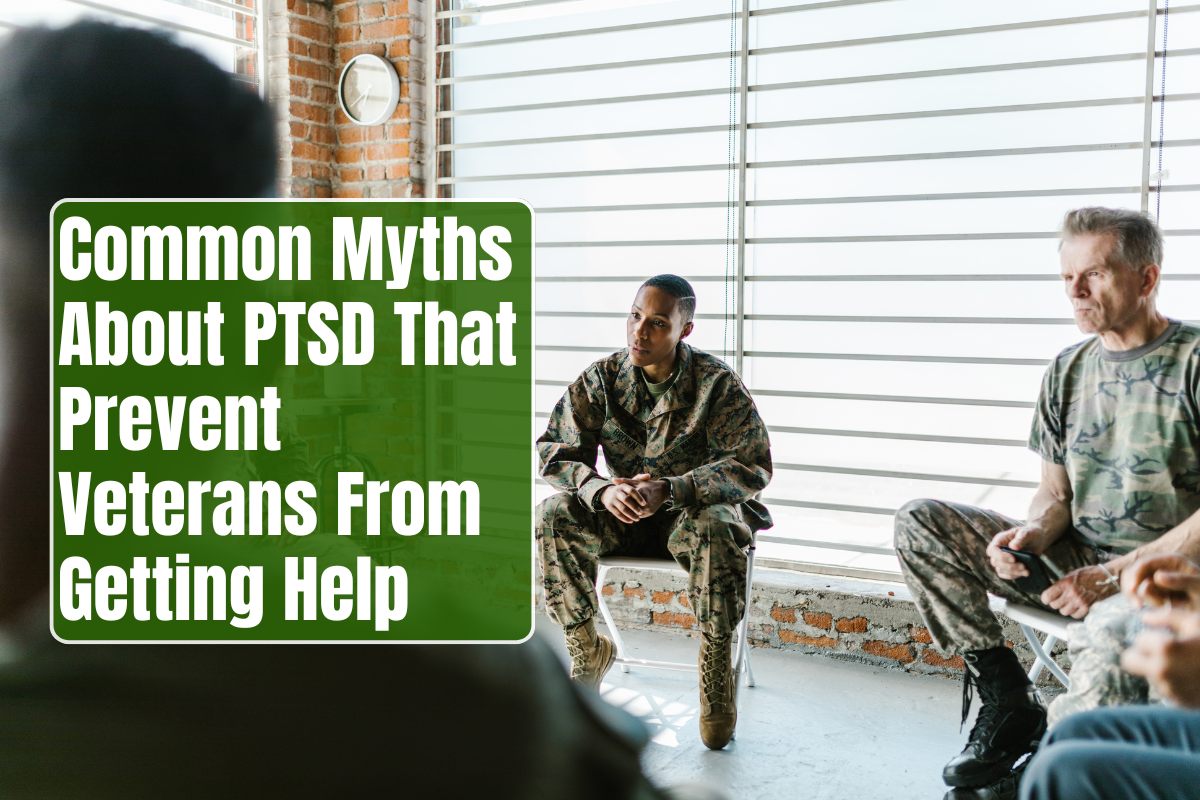
Post-traumatic stress disorder (PTSD) is one of the most prevalent yet misunderstood mental health conditions affecting military veterans. Despite decades of awareness, misconceptions still ...
PTSD fundamentally alters communication patterns in veteran relationships, shifting from open dialogue to cycles of withdrawal, hostility, and misunderstanding driven by symptoms like emotional ...