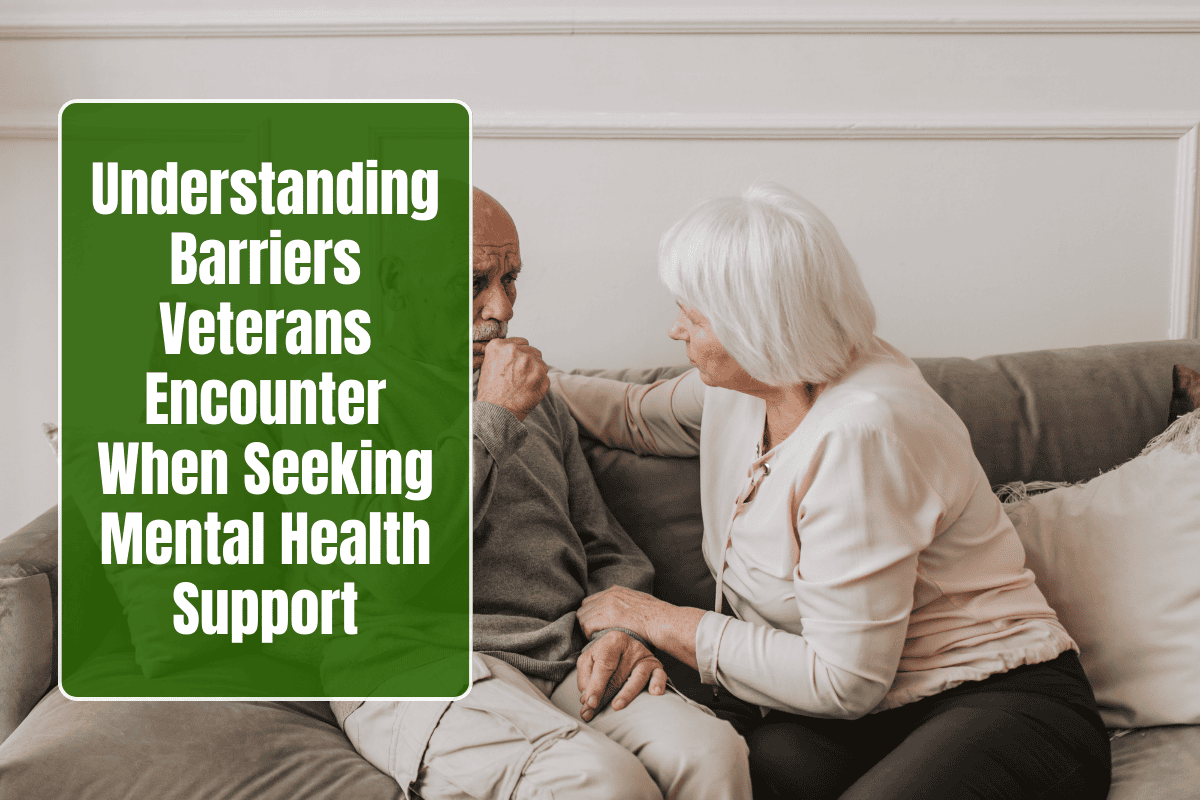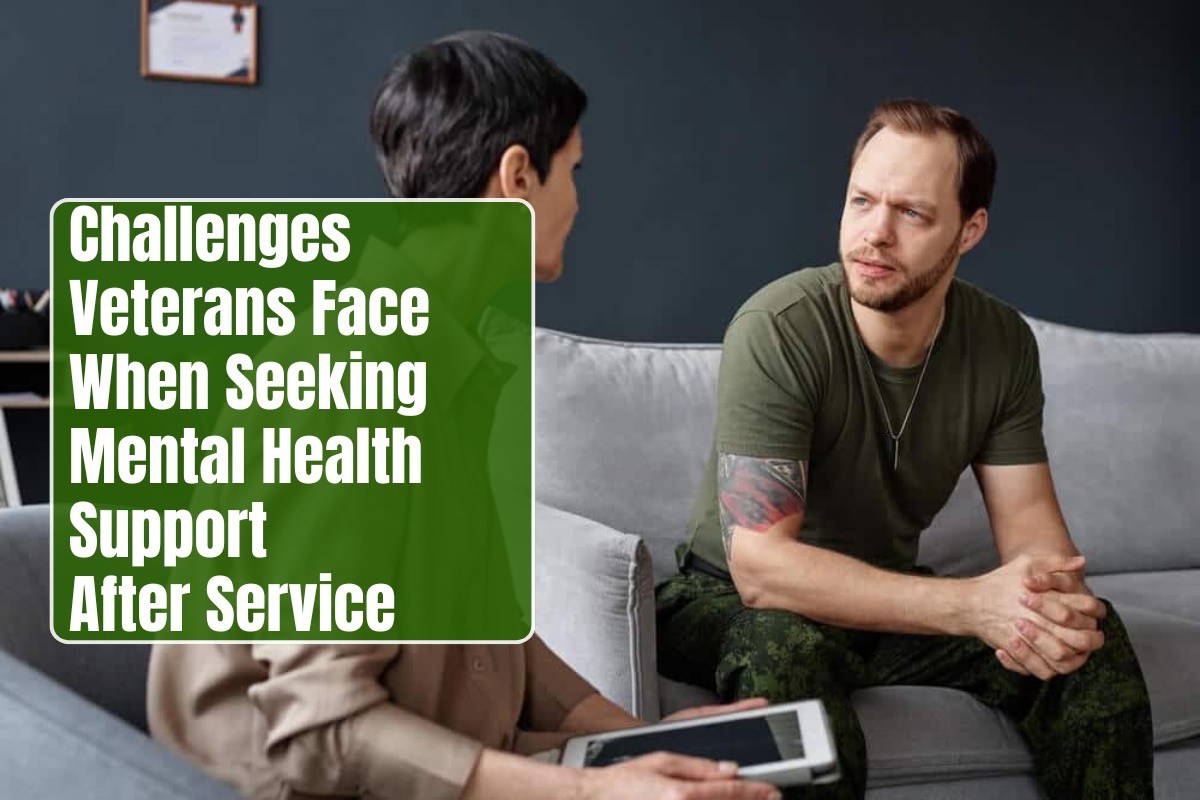
Veterans face significant hurdles when seeking mental health support after service, with only 22-40% accessing care despite high PTSD and depression rates among 14-16% of post-9/11 cohorts. These barriers—spanning stigma, access gaps, and systemic issues—delay recovery, elevate suicide risks (40% of cases undiagnosed), and strain reintegration. Addressing them requires targeted reforms to match veterans’ unique needs.
Persistent Stigma and Cultural Resistance
Military culture glorifies stoicism and self-reliance, framing help-seeking as weakness, with 60-70% of personnel avoiding care due to fears of judgment or career harm. Veterans internalize stigma, viewing PTSD as personal failure rather than treatable injury, often waiting for crisis points like severe impairment before acting. Pride and “suck it up” attitudes amplify this, especially among non-US samples where stoicism dominates.
Post-service, social fears persist—labeling as “crazy” or discrimination deters disclosure, compounded by lower purpose, grit, or support correlating with barriers. Women and minorities face added layers, like childcare stigma or cultural mistrust.
Access and Logistical Barriers
VA wait times stretch months due to provider shortages, with rural veterans facing travel, transportation, or telehealth gaps despite expansions. Only 41% of OEF/OIF/OND veterans with needs enroll, hit by eligibility hurdles like discharge status or red tape. Community care under VA purchase shows worse experiences for mental health users—lower satisfaction, coordination, and access across domains.
Work schedules, fatigue, childcare, and finances block attendance, while non-enrollees cite unawareness of services. Border or underserved veterans endure discrimination, shame, and isolation atop these.
Distrust in Systems and Providers
Distrust plagues VA—perceived as unresponsive, ineffective, or breaching confidentiality—fueled by past inefficiencies or negative encounters. Veterans fear records impacting benefits, clearances, or jobs, with 77% reporting barriers like provider mistrust. Knowledge gaps exacerbate: many misattribute symptoms to “readjustment,” delaying recognition.
Alcohol/substance misuse acts dually—as enabler or barrier—while comorbidities like anxiety enable seeking only at crisis. Non-US veterans show similar patterns, needing localized trust-building.
Transition and Awareness Challenges
Civilian shift brings self-doubt, discomfort, and unrecognized needs, with 43% probable PTSD/depression/alcohol misuse untreated. Limited MH literacy means attributing issues to failure, not trauma. TBI, SUD, violence intertwine, complicating identification amid deployment stress peaks.
Financial costs deter non-VA users, despite benefits, with rural/linguistic gaps persisting.
Pathways Forward
Telehealth, peer support, and stigma campaigns boost uptake; culturally competent care and rapid screenings address gaps. VA data tracking and funding hikes target shortages, while education reframes help as resilience.
FAQs
Q1: What stigma stops most veterans?
Stoicism and weakness fears delay care until crisis, affecting 60-70%.
Q2: How bad are VA access waits?
Months-long due to shortages; rural travel worsens, though telehealth helps some.
Q3: Why distrust VA systems?
Inefficiency, confidentiality fears, past negativity; 77% cite barriers.
Q4: Do finances block non-enrollees?
Yes, alongside awareness gaps; 41% with needs unenrolled.
Q5: How does culture uniquely hinder?
Self-reliance and pride internalize stigma, especially non-US veterans.
Q6: What reduces barriers effectively?
Peers, education, rapid access, cultural competence increase utilization.