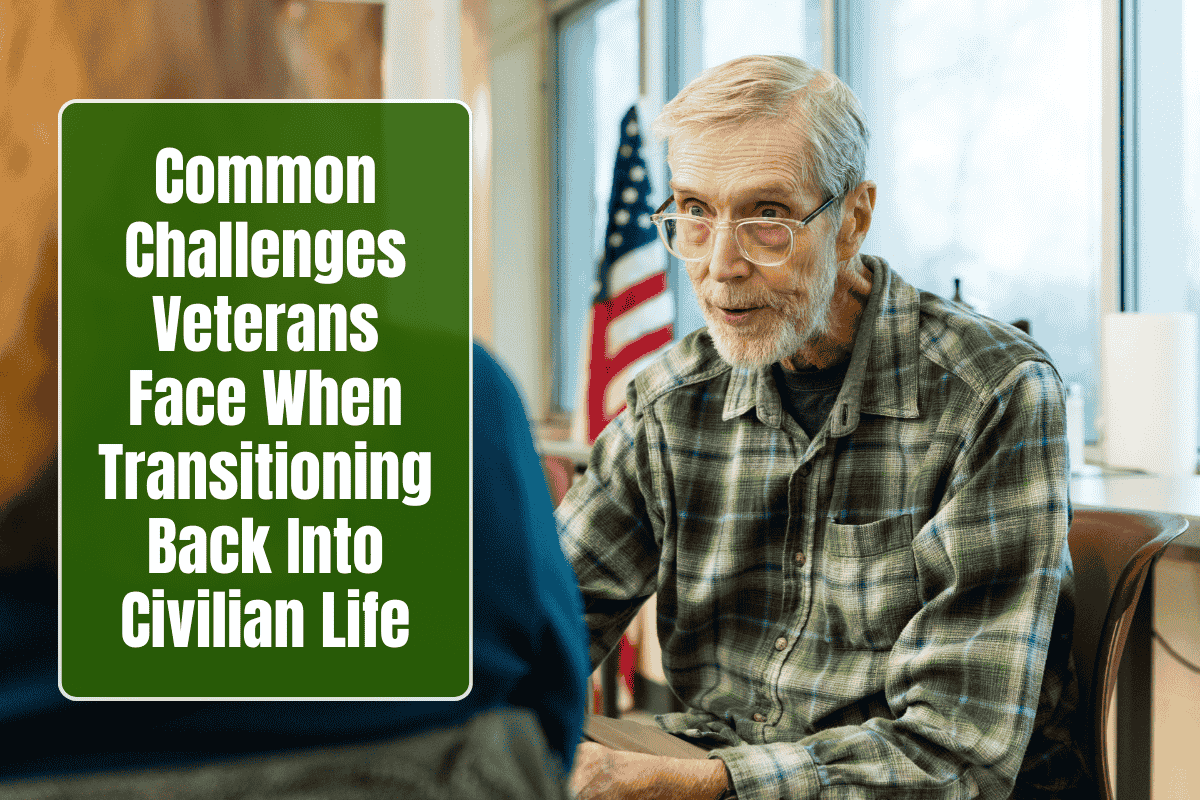
US veterans often encounter significant hurdles when transitioning from military service to civilian life, including employment gaps and identity shifts. These challenges persist into 2026 despite expanded VA programs and employer initiatives.
Employment Barriers
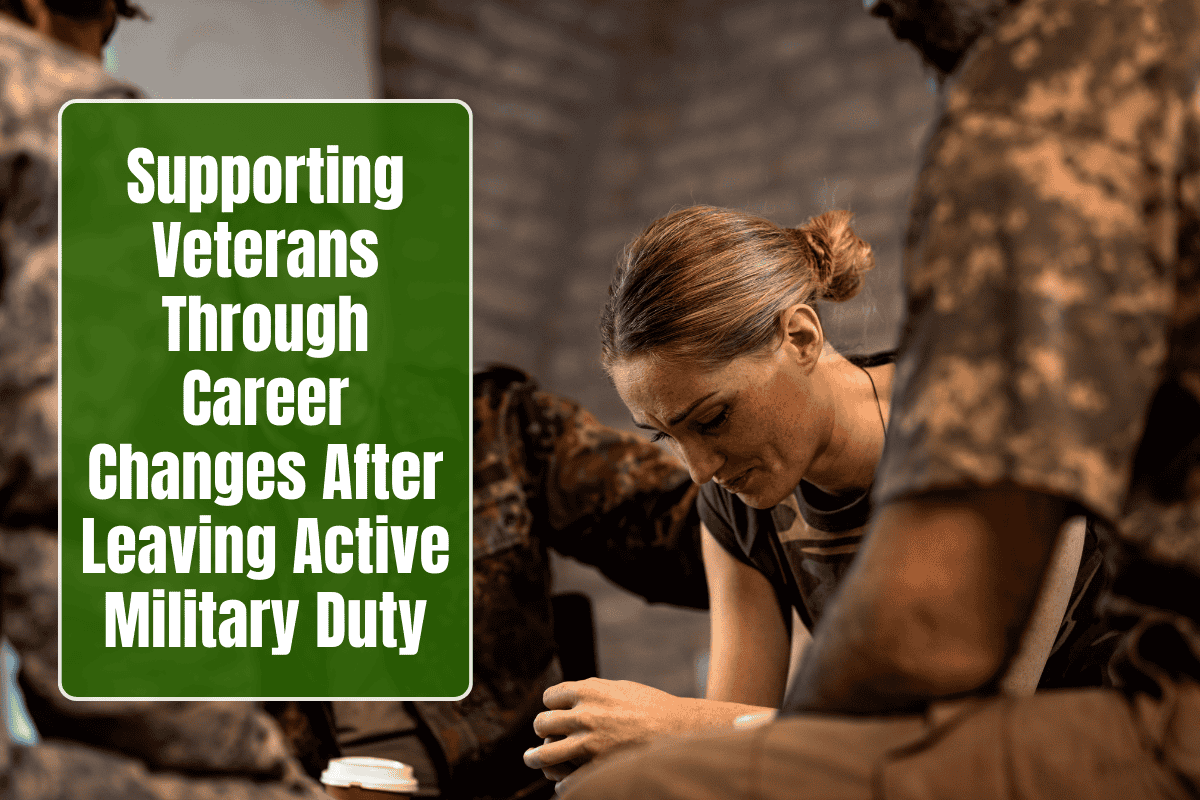
Veterans struggle to translate military skills like logistics or leadership into civilian resumes that resonate with hiring managers. Underemployment affects many, with 50% leaving first jobs within a year due to cultural mismatches and lack of orientation.
Limited time for retraining during final service months exacerbates this—formal transitions start 12 months out, but usable windows shrink to 3-6 months amid mission priorities. Programs like VTEC’s Transition Matrix address this by guaranteeing jobs pre-separation.
Mental Health Strains
PTSD, depression, and anxiety spike post-transition, linked to loss of structure and camaraderie. Over 200,000 servicemembers reintegrate yearly, with studies showing prolonged mental health risks from abrupt changes.
Isolation worsens as veterans navigate unstructured days without chain-of-command support. Purpose voids lead to crises; coaching restores direction by aligning service values with civilian roles.
Financial and Housing Instability
UCX unemployment claims average 12-20 weeks, costing taxpayers while families face immediate pay cuts. Homelessness roots in economic gaps, healthcare delays, and poor planning.
GI Bill misuse or delayed benefits compound issues; financial literacy gaps leave many reactive rather than strategic.
Social Reintegration Hurdles
Civilians misunderstand military culture, causing relational strains with family and peers. Loss of identity—”finding the mission again”—delays stability, especially for disabled vets in disasters.
Networking lacks; veterans undervalue transferable skills, missing opportunities in trades like construction apprenticeships.
Family and Community Effects
Spouses and children bear emotional loads; sudden relocations disrupt schooling. Community ties weaken without proactive networks like mutual aid systems.
Yet, veterans excel in resilient fields—youth workshops or zoning-efficient builds leverage discipline for community autonomy.
Resources for 2026
VA’s TAP, DAV transport, and VTEC campuses offer accelerated credentials. Early planning—12 months out—via GI Bill counseling and employer pledges cuts gaps.
Success stories like Master Sgt. Smith’s seamless shift highlight preemptive training’s power.
FAQs
1. Top employment issue?
Skills mismatch; military terms confuse civilians—use coaching for resumes.
2. Mental health risks?
PTSD/depression from structure loss; seek VA crisis lines early.
3. Financial pitfalls?
UCX dependency; secure jobs pre-separation via VTEC.
4. Social struggles?
Identity/purpose voids; join veteran networks.
5. Best transition prep?
Start 12 months early with TAP, skills training.