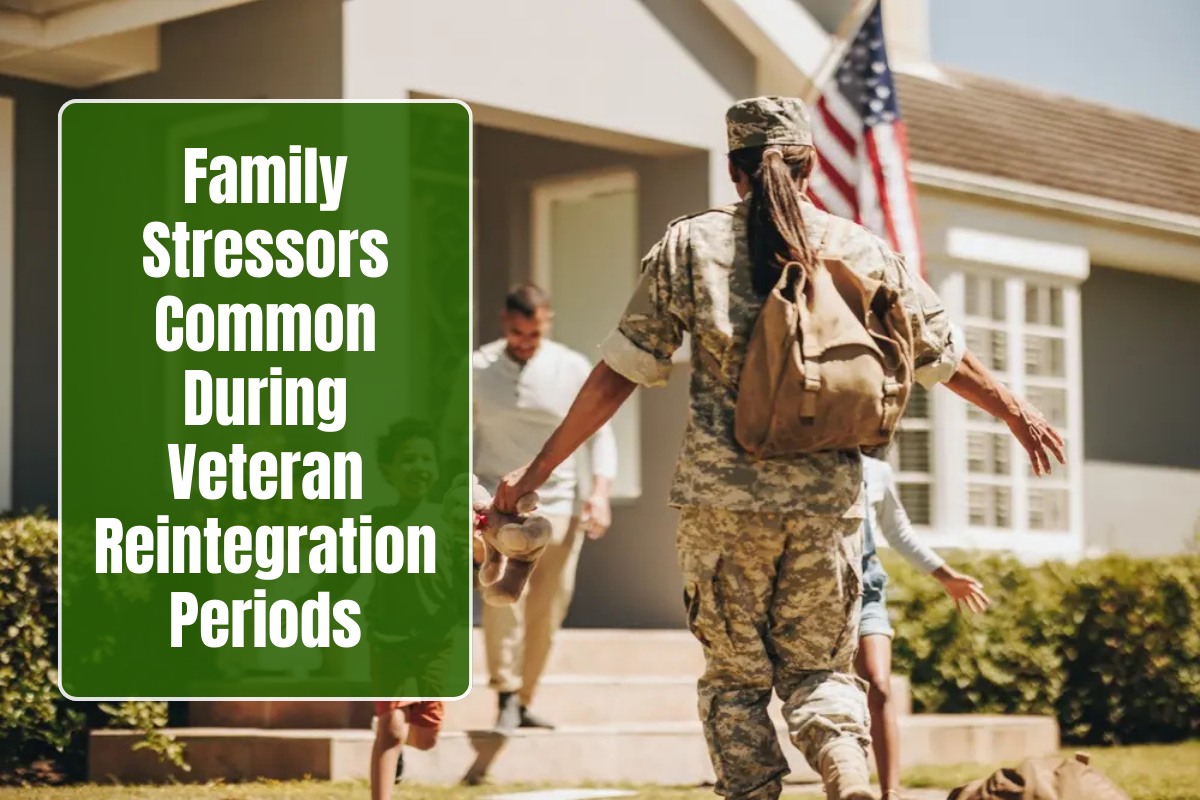
The transition from military service back into civilian and family life—often called the reintegration period—can be both hopeful and challenging. While families may eagerly anticipate reunion, reintegration frequently brings stressors that affect veterans, partners, children, and extended family members. Understanding these common stressors is essential for fostering patience, empathy, and healthier adjustment for the entire family.
Changes in Family Roles and Responsibilities
During deployment or active service, families often adapt by redistributing responsibilities. Partners may take on additional parenting, financial management, or household roles. When the veteran returns, redefining these roles can be difficult. Both the veteran and family members may feel unsure about expectations, leading to tension or feelings of displacement. Adjusting roles requires communication, flexibility, and time.
Emotional and Psychological Adjustment
Many veterans return home carrying the emotional weight of their service experiences. Stress, anxiety, irritability, emotional withdrawal, or difficulty relaxing can affect family interactions. Family members may struggle to understand these changes, especially if the veteran seems different from before deployment. This emotional adjustment period can create misunderstandings and strain relationships if trauma responses are misinterpreted as personal behavior.
Communication Difficulties
Military environments often require direct, task-focused communication, which may differ from family communication styles. Veterans may find it challenging to express emotions or discuss experiences, while family members may feel shut out or disconnected. Children, in particular, may struggle to understand changes in tone or emotional availability. Without open and patient communication, small misunderstandings can quickly escalate into conflict.
Parenting and Child Adjustment Challenges
Reintegration can be especially complex for families with children. Children may have grown emotionally and developmentally during the veteran’s absence, forming new routines and attachments. Reestablishing parental authority and connection can be stressful for both the veteran and the child. Behavioral changes in children—such as anxiety, regression, or acting out—are common responses to change and uncertainty.
Financial and Employment Stress
Transitioning out of military service or between assignments can bring financial uncertainty. Changes in income, employment status, or benefits may place additional pressure on families. Veterans adjusting to civilian workplaces may face challenges finding meaningful employment, which can impact self-esteem and household stability. Financial stress often amplifies other reintegration challenges.
Intimacy and Relationship Strain
Romantic relationships often face unique stress during reintegration. Time apart, emotional distance, or unresolved experiences can affect intimacy and trust. Partners may feel disconnected or unsure how to support one another. Differences in coping styles or expectations about closeness can create emotional strain, requiring patience and intentional reconnection.
Social Reintegration and Isolation
Veterans may feel disconnected from civilian life, struggling to relate to friends or extended family who do not share similar experiences. This sense of isolation can affect the entire household, limiting social support and increasing emotional stress. Families may also feel unsure how to explain or respond to the veteran’s needs within their social circles.
Navigating Expectations and Pressure
Both veterans and families often carry unspoken expectations about how reintegration “should” go. When reality does not match these expectations, disappointment and frustration can arise. Pressure to quickly return to normal can prevent families from acknowledging challenges and seeking support, prolonging stress and emotional strain.
FAQs
Why is reintegration stressful for veteran families?
Because it involves major changes in roles, routines, emotions, and expectations for everyone involved.
Do all veterans experience reintegration challenges?
Not all, but many families experience some level of stress as they adjust to life after service.
How can families reduce reintegration stress?
Through open communication, patience, realistic expectations, and seeking support when needed.
Are children affected during reintegration?
Yes. Children often react to changes with emotional or behavioral shifts that require understanding and reassurance.
When should families seek professional support?
If stress, conflict, or emotional challenges persist or feel overwhelming, professional support can be very helpful.