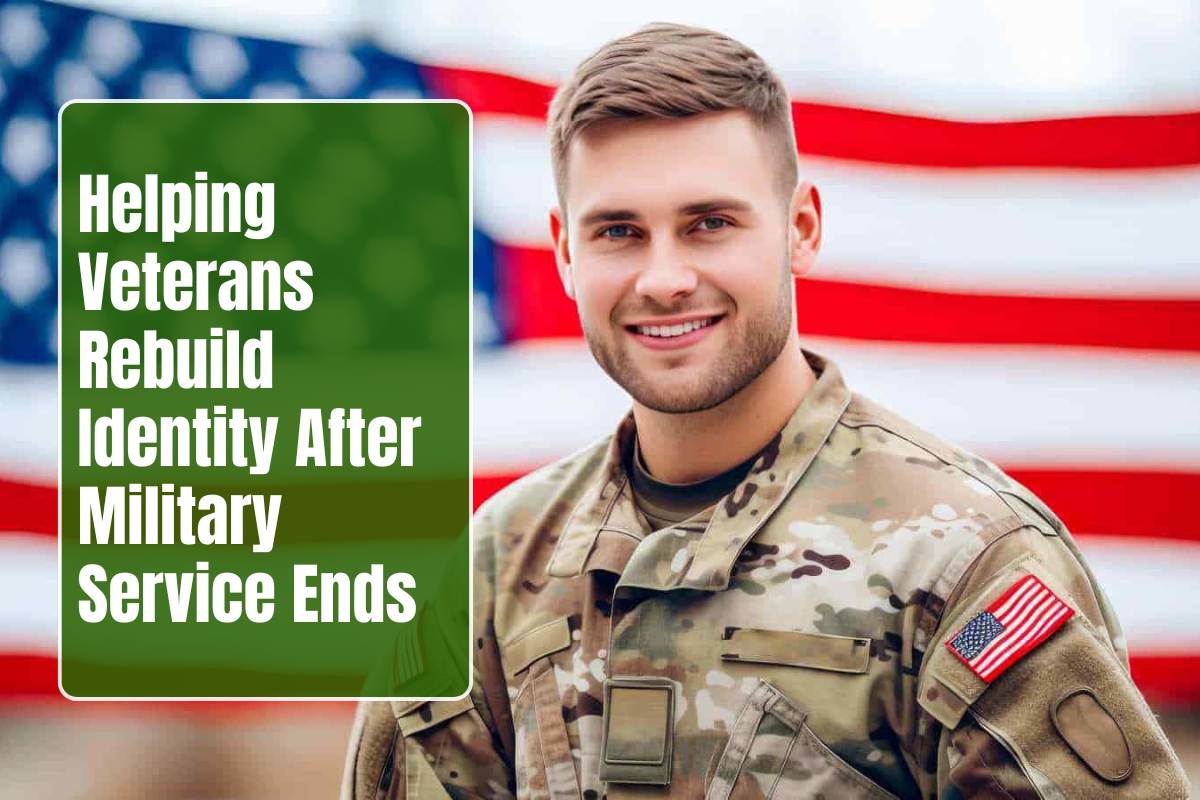
The transition from military service to civilian life can be one of the most challenging times for veterans. For many, military service is not just a job but a significant part of their identity. It provides structure, purpose, and a sense of belonging.
When military service ends, veterans often face a unique challenge: rebuilding their identity. The shift from the highly regimented life of the military to the flexibility and uncertainty of civilian life can create feelings of confusion, loss, and even a lack of purpose. This can lead to emotional and psychological struggles, such as anxiety, depression, and difficulties in finding new career paths.
However, with the right support and resources, veterans can successfully navigate this transition and build a new identity that reflects their experiences, skills, and values. In this article, we explore the steps and strategies that can help veterans rebuild their identity after military service ends, ensuring they can find fulfillment and a renewed sense of purpose in civilian life.
The Challenges of Rebuilding Identity After Military Service
Military service provides veterans with a unique sense of purpose, camaraderie, and accomplishment. When they leave the service, they often experience a significant loss of structure and stability. For some, this can lead to:
- Loss of a sense of purpose: Veterans may struggle to find meaning and purpose outside of the context of military missions and service. Without a clear focus, they may feel lost or disconnected.
- Difficulty adjusting to civilian culture: The military culture is vastly different from civilian life. Veterans may find it challenging to relate to others who haven’t experienced military service, leading to feelings of isolation or alienation.
- Career uncertainty: Many veterans struggle to translate the skills and experiences they gained in the military into civilian job markets. They may face difficulties finding employment that feels as meaningful as their service.
- Psychological and emotional challenges: The trauma of combat, the pressure of military life, and the challenges of adjusting to civilian life can lead to issues like post-traumatic stress disorder (PTSD), depression, and anxiety.
Despite these challenges, rebuilding identity is possible with proper guidance, support, and the right tools. The following strategies can help veterans rediscover their sense of self, rebuild confidence, and navigate their new civilian life.
1. Recognizing and Reframing the Transition
Rebuilding identity starts with acknowledging that the transition from military to civilian life is a process. It’s essential to understand that it’s normal to experience confusion, uncertainty, and a sense of loss during this time. Veterans should take time to reflect on their military experiences, acknowledge what they’ve learned, and consider how those experiences can shape their future.
Instead of viewing the transition as a loss, it can be helpful to reframe it as an opportunity for growth. Veterans have developed unique skills during their service, such as leadership, problem-solving, and teamwork, which can be incredibly valuable in civilian life. Acknowledging these strengths and using them to build a new identity helps veterans reclaim their sense of purpose and confidence.
Steps for reframing the transition:
- Self-reflection: Veterans can take time to reflect on their military experiences, considering what they valued most about their service and what they want to carry forward into their civilian lives.
- Set new goals: Identify what is meaningful in civilian life—whether it’s career success, personal development, or community involvement—and set clear goals to work towards.
2. Building a Support Network
One of the most crucial elements in rebuilding identity after military service is building a strong support network. Military life is built around camaraderie and a close-knit community, and veterans may struggle with isolation once they leave that environment. Having a support system of family, friends, fellow veterans, and professionals can provide a sense of connection, understanding, and emotional security.
Veterans should seek out support groups, whether online or in person, that are specifically geared toward helping former service members navigate the challenges of civilian life. Connecting with others who have shared similar experiences fosters a sense of belonging and understanding.
Ways to build a support network:
- Veteran support groups: These can offer a space for veterans to share their experiences, talk about their struggles, and receive advice from others who understand their unique challenges.
- Family and friends: Rebuilding relationships with family and friends can provide a sense of stability and reassurance. It’s important to communicate openly about the transition and seek understanding from loved ones.
- Professional counseling: Therapy or counseling, particularly with a counselor who specializes in veterans’ issues, can provide support in processing the emotional and psychological aspects of the transition.
3. Translating Military Skills to Civilian Careers
One of the biggest hurdles for veterans after leaving military service is finding meaningful employment. Many veterans feel that their military training and skills are not recognized or valued in the civilian job market. However, veterans possess a wealth of skills that are transferable to various civilian careers, such as leadership, adaptability, time management, and problem-solving.
Veterans can benefit from career counseling services that specialize in helping them transition to civilian roles. These services can help veterans:
- Translate military experience: Career counselors can help veterans articulate how their military skills relate to civilian job descriptions and translate military jargon into language that resonates with employers.
- Explore new career paths: Veterans may want to consider new fields that align with their personal interests or talents. Exploring industries such as security, logistics, healthcare, or technology can provide fulfilling career options.
- Reskill or upskill: Some veterans may need to pursue additional training or education to build new skills for their desired career. Many educational institutions offer programs specifically for veterans, and some even offer financial support.
By recognizing their transferable skills and seeking the right career guidance, veterans can rebuild their identity in a new professional context that aligns with their values and aspirations.
4. Engaging in Volunteer Work or Community Service
A meaningful way for veterans to reconnect with a sense of purpose is by engaging in volunteer work or community service. Military service often involves helping others, and many veterans continue to want to make a difference after their service ends. Volunteering provides an opportunity to contribute to society, build new connections, and continue to serve in a different capacity.
Benefits of community engagement:
- Fostering a sense of purpose: Volunteering provides a meaningful outlet for veterans to give back to their communities, which can be a vital aspect of rebuilding their sense of identity.
- Building new skills: Through volunteer work, veterans can develop new skills, such as project management or communication, that can be valuable in their personal and professional lives.
- Connecting with others: Volunteering can help veterans connect with others who share their values and interests, building new relationships and expanding their support network.
By engaging in service-oriented activities, veterans can find fulfillment and contribute to causes they care about, which aids in redefining their purpose and identity after military service.
5. Seeking Mental Health Support
The transition to civilian life can often stir up emotional challenges, especially for veterans dealing with PTSD or other mental health issues. Addressing these concerns is an essential part of rebuilding one’s identity. Seeking therapy or counseling can help veterans process their emotions, manage stress, and develop strategies to cope with the difficulties they face during the transition.
Veterans may also benefit from participating in peer-led support groups where they can share their experiences in a safe and supportive environment. Mental health professionals who specialize in trauma can help veterans process their military experiences and guide them toward healing.
Steps for addressing mental health needs:
- Therapy: Working with a counselor or therapist can provide tools for emotional regulation and healing.
- Support groups: Peer-led groups can offer camaraderie and understanding, which helps reduce feelings of isolation.
- Mindfulness and self-care: Incorporating self-care practices like meditation, exercise, or journaling can help veterans manage stress and improve their well-being.
Rebuilding Identity for a Fulfilling Civilian Life
The process of rebuilding identity after military service is both a personal and ongoing journey. While the challenges are significant, the opportunity for veterans to redefine themselves and find new purpose is just as powerful. With the right support, veterans can harness the strengths, skills, and values they developed during their military service to thrive in civilian life.
By taking steps like seeking professional guidance, building support networks, translating military experience to civilian careers, engaging in volunteer work, and addressing mental health needs, veterans can successfully navigate their transition and rebuild their identity in a way that honors their service while embracing the future.
FAQs
1. What challenges do veterans face when transitioning to civilian life?
Veterans often face challenges such as a loss of purpose, difficulty adjusting to civilian culture, uncertainty in career paths, and psychological struggles like PTSD. The lack of structure and familiarity in civilian life can create feelings of isolation and confusion.
2. How can family and friends help veterans rebuild their identity?
Family and friends can offer emotional support, actively listen without judgment, and encourage open conversations. They can also help veterans identify their strengths and transferable skills, assisting with career transitions and offering resources for mental health support.
3. What role does mental health support play in the transition process?
Mental health support is crucial for veterans to address any psychological challenges they may face, such as PTSD, anxiety, or depression. Therapy, counseling, and peer support groups can help veterans process their military experiences and build resilience for civilian life.
4. How can veterans translate their military skills into civilian careers?
Veterans often possess leadership, problem-solving, teamwork, and adaptability skills that are highly valuable in civilian careers. Career counseling services can help veterans reframe their military experiences in civilian terms, guiding them through the process of finding meaningful employment.
5. What are some ways veterans can find a new sense of purpose after military service?
Veterans can engage in volunteer work, pursue further education, join community service projects, or mentor others. These activities provide a sense of fulfillment, allow veterans to contribute to society, and help them reconnect with their values and purpose.