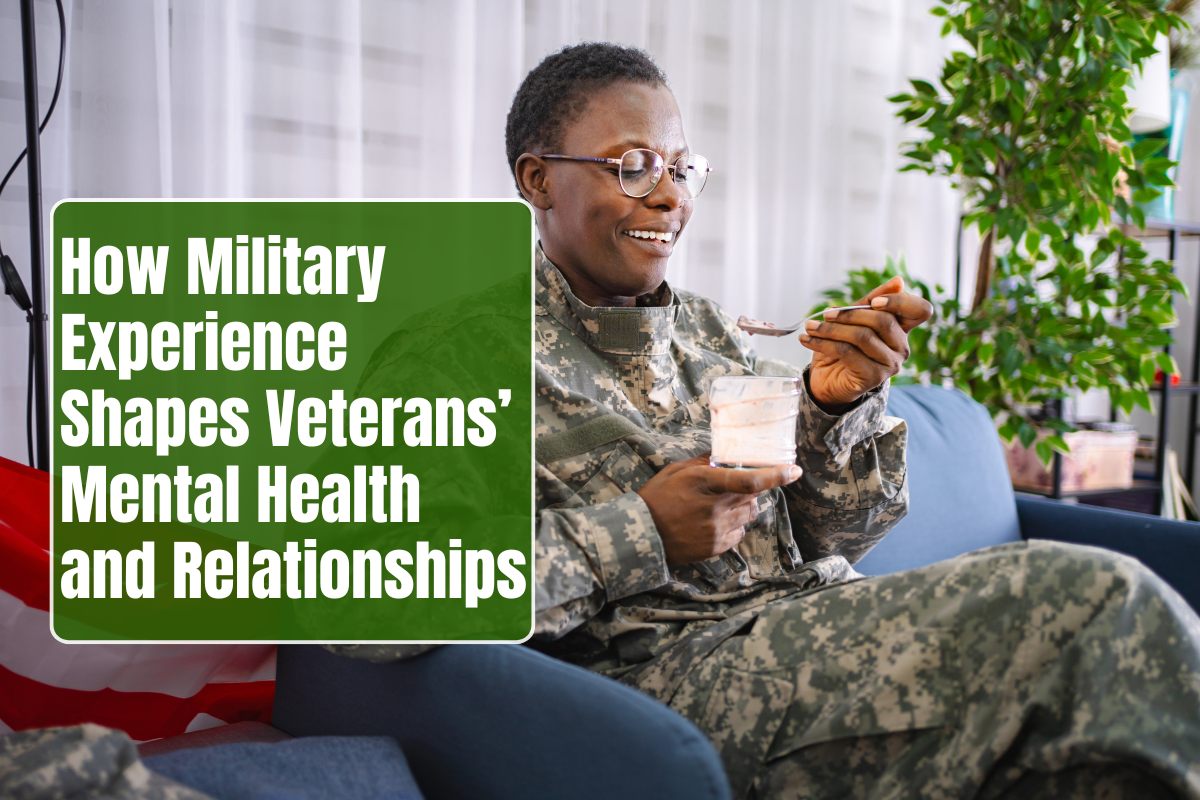
Military experience profoundly shapes veterans’ mental health and relationships, with combat exposure elevating PTSD risks to 14-30% in post-9/11 cohorts while fostering resilience alongside relational strains like emotional numbing and reintegration challenges.
Deployments disrupt family dynamics through prolonged separations, role shifts, and trauma ripple effects, yet service also builds adaptive strengths that aid recovery when supported. Understanding these dual impacts guides families and systems toward holistic healing.
Mental Health Vulnerabilities from Combat and Service
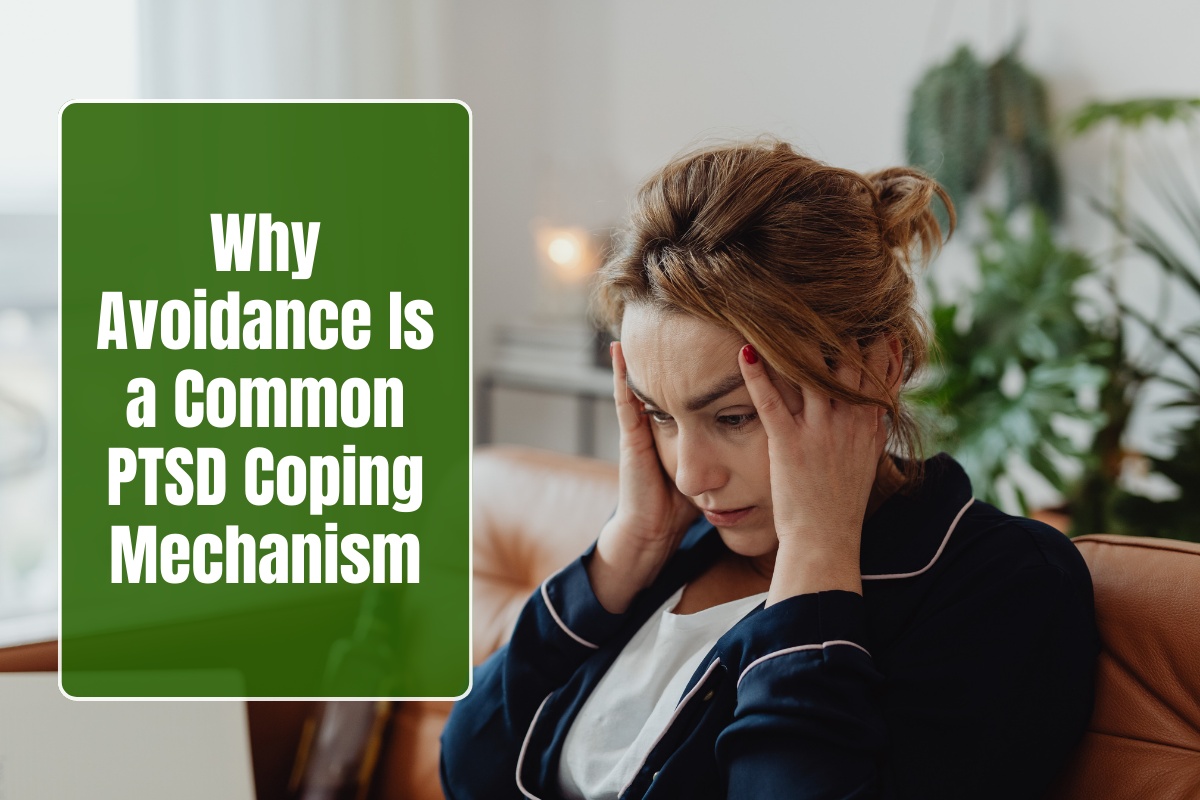
Intense combat—witnessing deaths, injuries, or unpredictable threats—rewires the brain’s stress response, yielding PTSD symptoms like flashbacks, hypervigilance, and avoidance in 10-18% of OEF/OIF returnees.
Risk factors amplify: lower rank, unmarried status, low unit support, and childhood trauma triple odds, with deployment itself heightening depression (3-25%) and suicide risks. Non-combat traumas like military sexual assault (MST) affect 1 in 3 women and 1 in 50 men veterans, compounding issues.
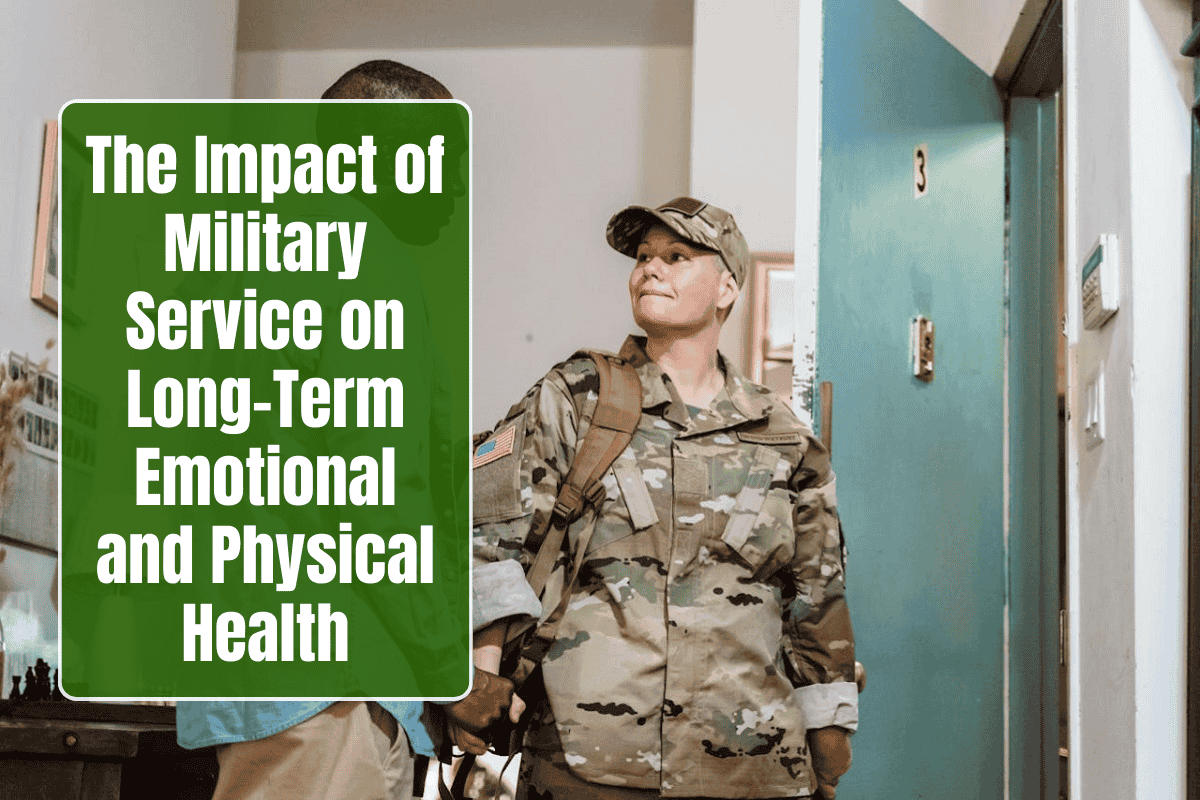
General service stressors—frequent moves, moral injury from decisions, TBI, and SUD—persist post-discharge, delaying onset or exacerbating during transitions. WWII/Korea eras show 3-10% lifetime PTSD, underscoring chronicity without intervention.
Resilience and Protective Factors
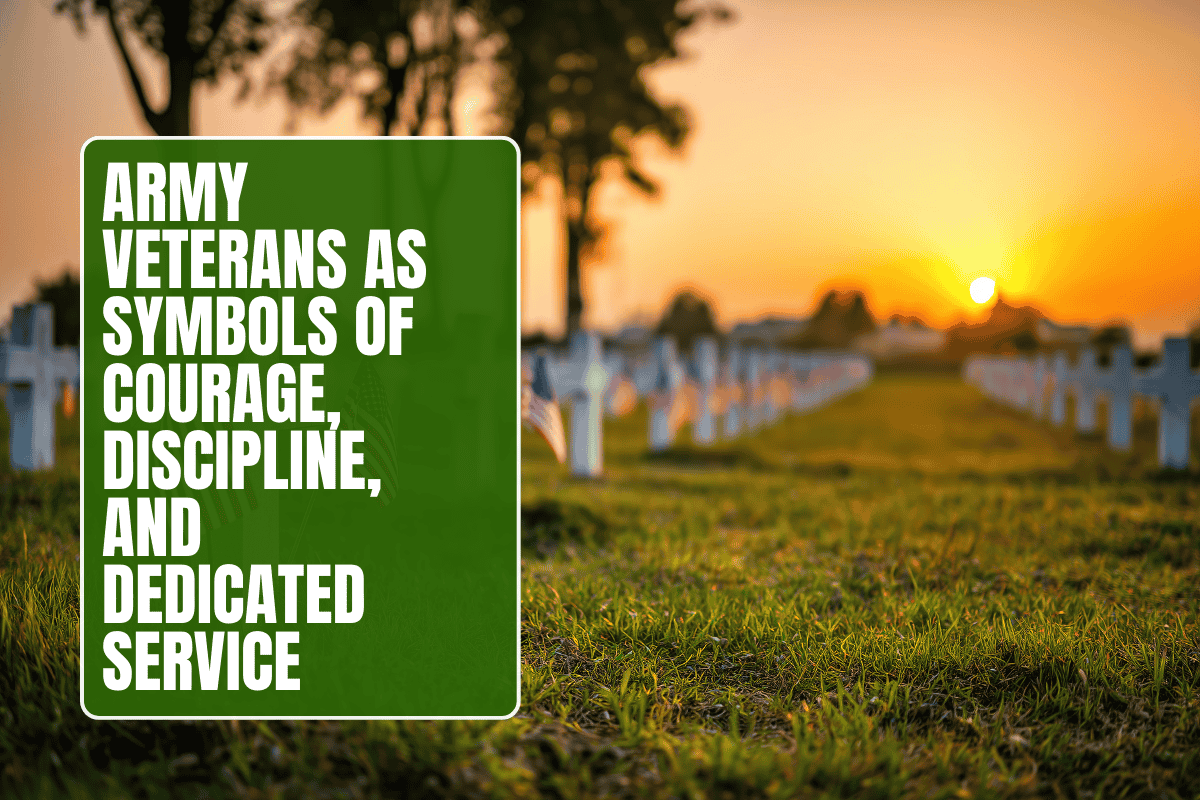
Service instills discipline, camaraderie, and purpose, buffering mental health via grit and social bonds that predict better adjustment. High morale units reduce PTSD; post-service peer networks sustain coping, with many screening negative at return and improving over months. These strengths counter vulnerabilities when harnessed in therapy or family support.
Relational Disruptions from Deployments
Deployments strain marriages via separations (concern, loneliness, role overload for spouses) and reintegration friction, doubling divorce risks in early post-service years for post-9/11 vets.
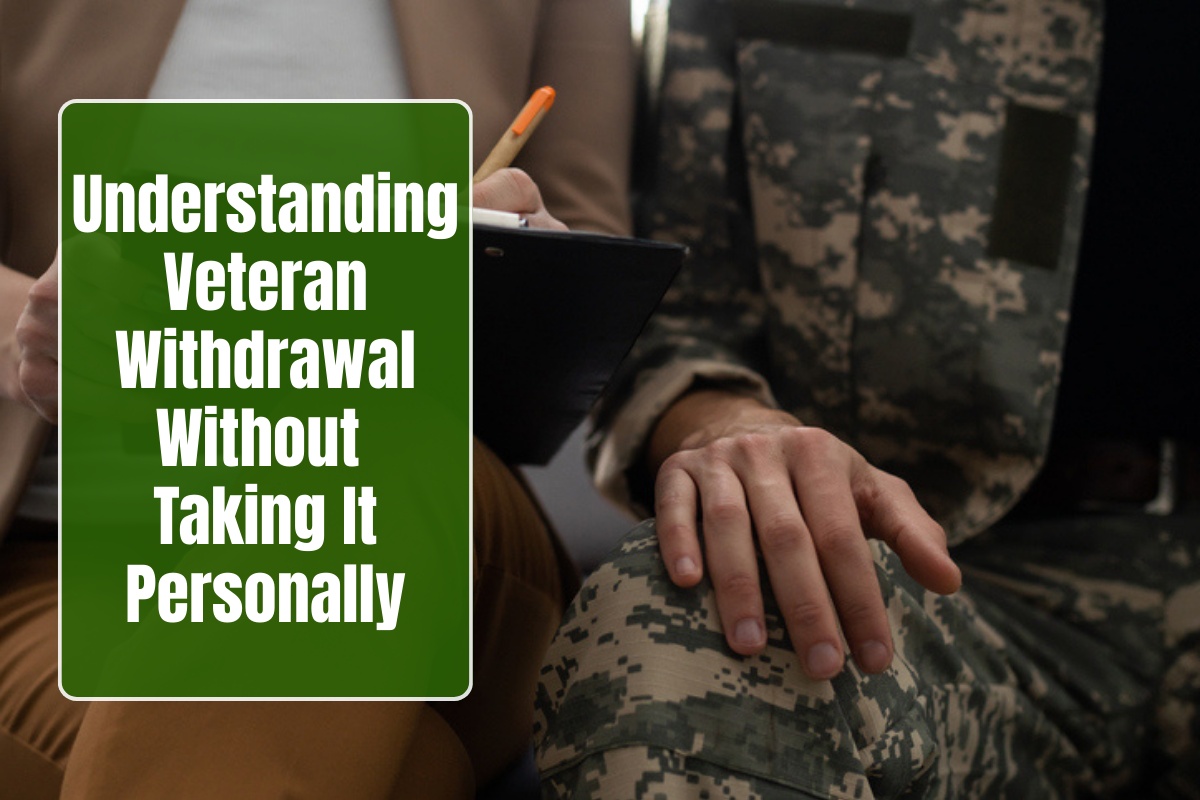
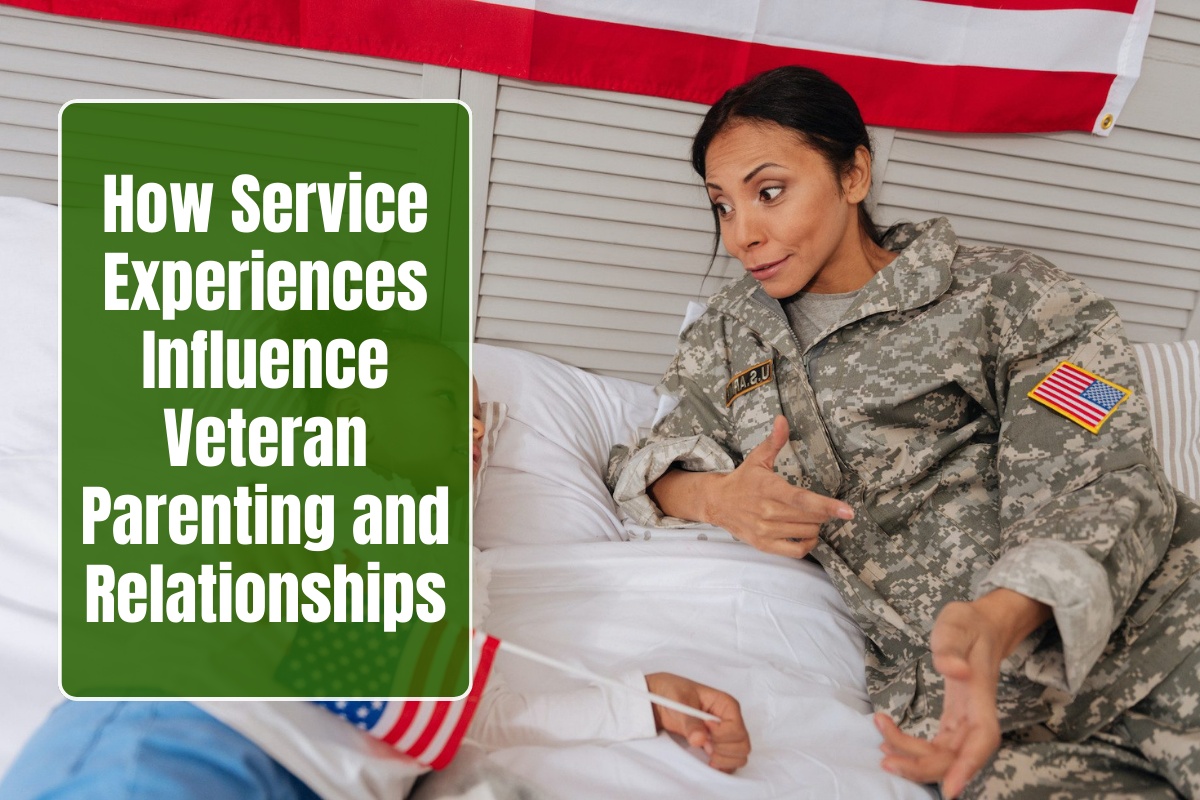
Emotional numbing isolates partners, eroding intimacy and trust; veterans withdraw, mistaking symptoms for relational failure. Children face routine shifts, anxiety from absences, and reintegration role renegotiation, with 54% noting parental reconnection difficulties.
Military lifestyle—relocations, unpredictability—alters dynamics, increasing civilian parent maltreatment (52% higher during deployment) and long-term relational perceptions. Lower-rank, shorter-marriage couples suffer most from distress.
Reintegration and Family Ripple Effects
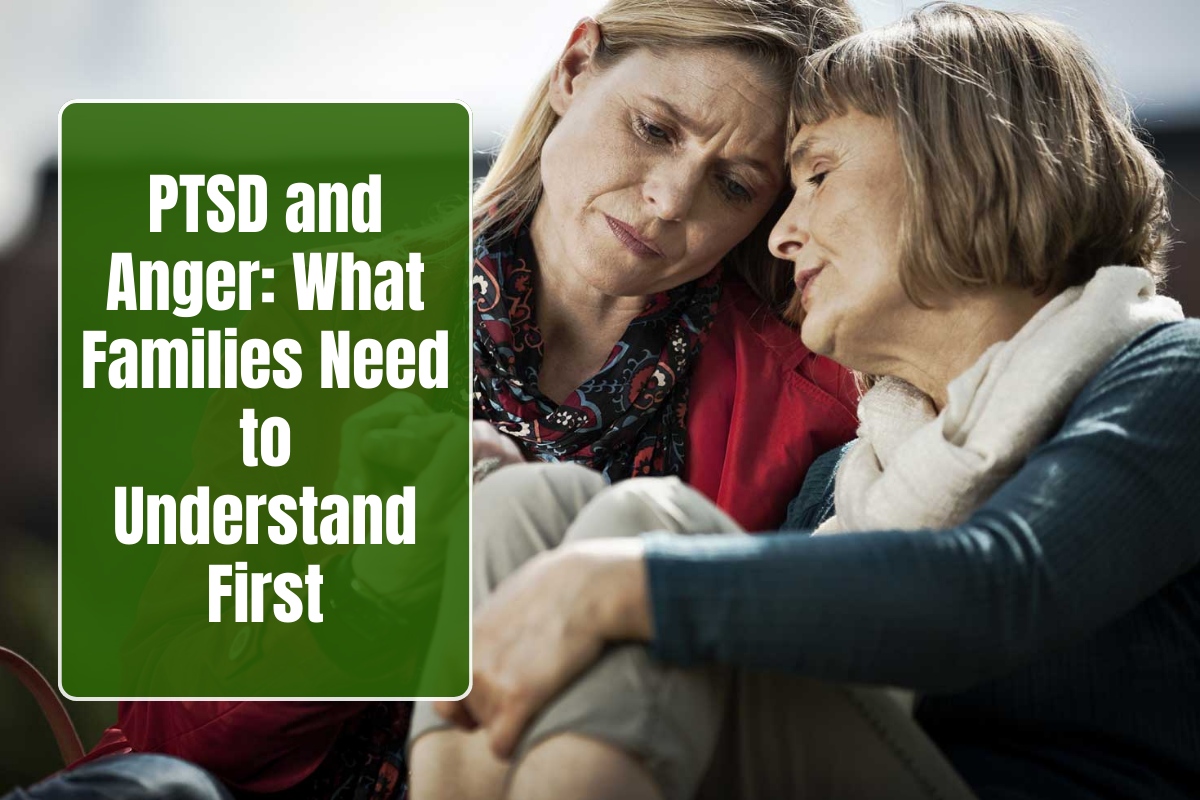
Returnees grapple with “invisible wounds,” shifting family events (holidays without dad) and routines, fostering distress/anxiety in kids. Spouses endure depression/anxiety/insomnia risks; veterans’ irritability sparks conflicts. Broader impacts include financial woes, isolation, and intergenerational patterns, yet resilience grows through adaptation.
Long-Term Outcomes and Pathways Forward
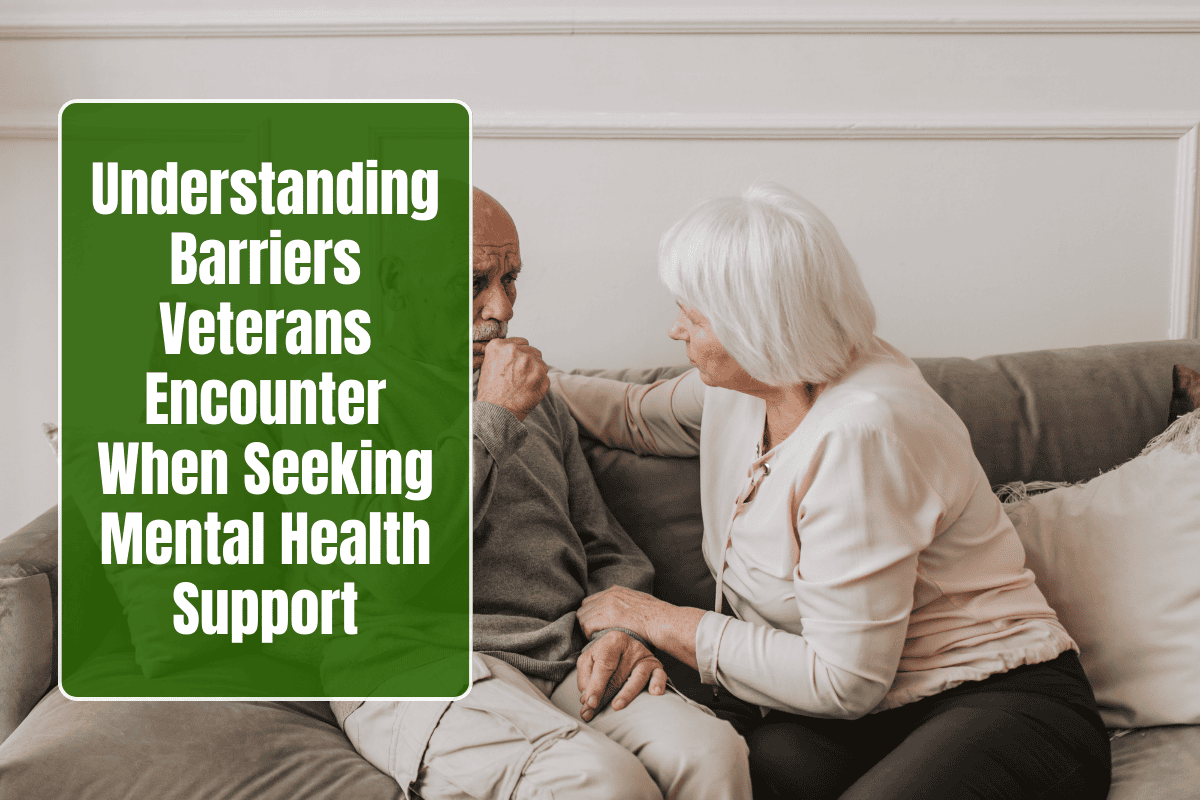
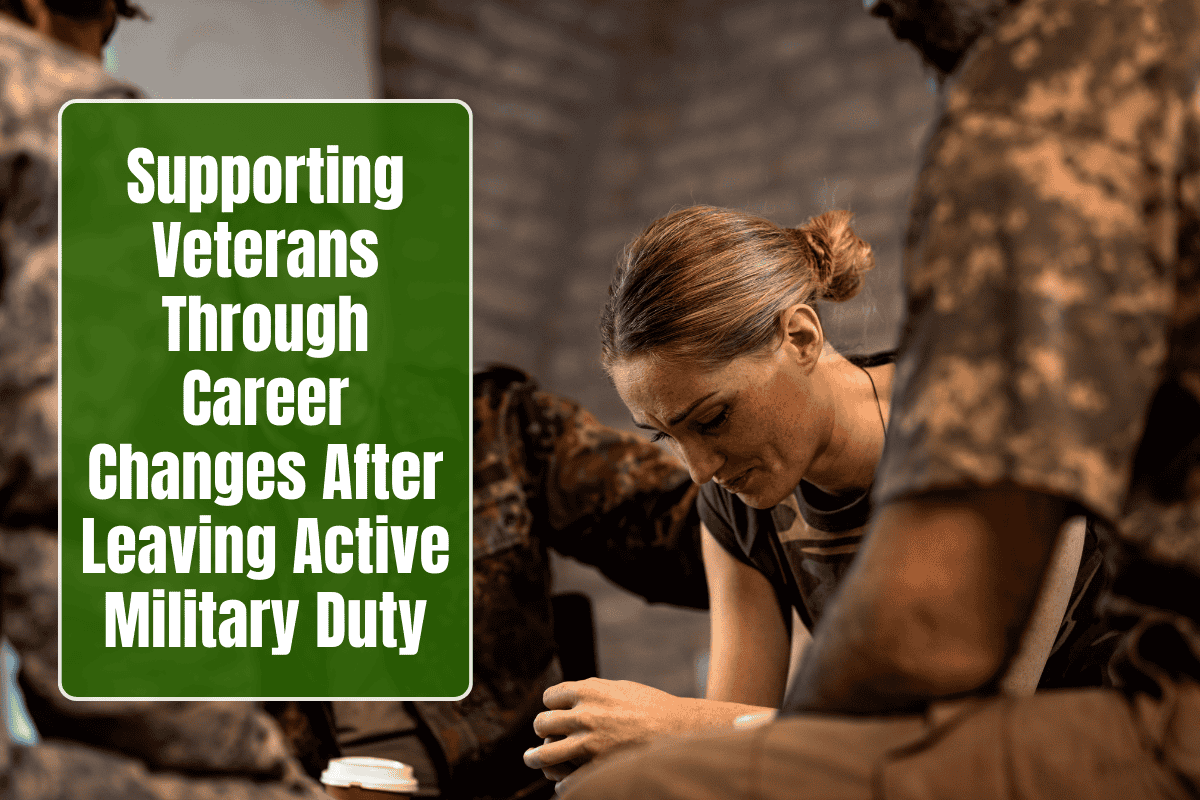
Untreated, service legacies yield chronic isolation or violence; treated, therapies restore bonds. VA/family interventions leverage service-honed strengths for recovery.
FAQs
Q1: What PTSD rate ties to recent deployments?
10-18% for OEF/OIF; up to 30% with combat intensity.
Q2: How do deployments hit families?
Separations cause worry, role overload; reintegration yields 54% reconnection issues.
Q3: Does rank affect mental health risks?
Yes, lower ranks face higher PTSD from exposure/support gaps.
Q4: Can service build mental resilience?
Yes, via camaraderie/grit, aiding adjustment in strong units.
Q5: Why higher divorce post-service?
Numbing/isolation double risks early; transitions strain bonds.
Q6: What non-combat traumas matter?
MST (1/3 women), accidents; amplify PTSD beyond battlefield.