Partners play a vital role in helping veterans navigate post-military life, bridging gaps in employment, mental health, relationships, and civilian adjustment amid high transition challenges like 43% unemployment and elevated PTSD rates. Their support—through encouragement, practical aid, and shared coping—boosts reintegration success, reduces isolation, and fosters resilience during a period where 50% report relational strain. This partnership transforms potential struggles into stable futures.
Understanding Transition Challenges
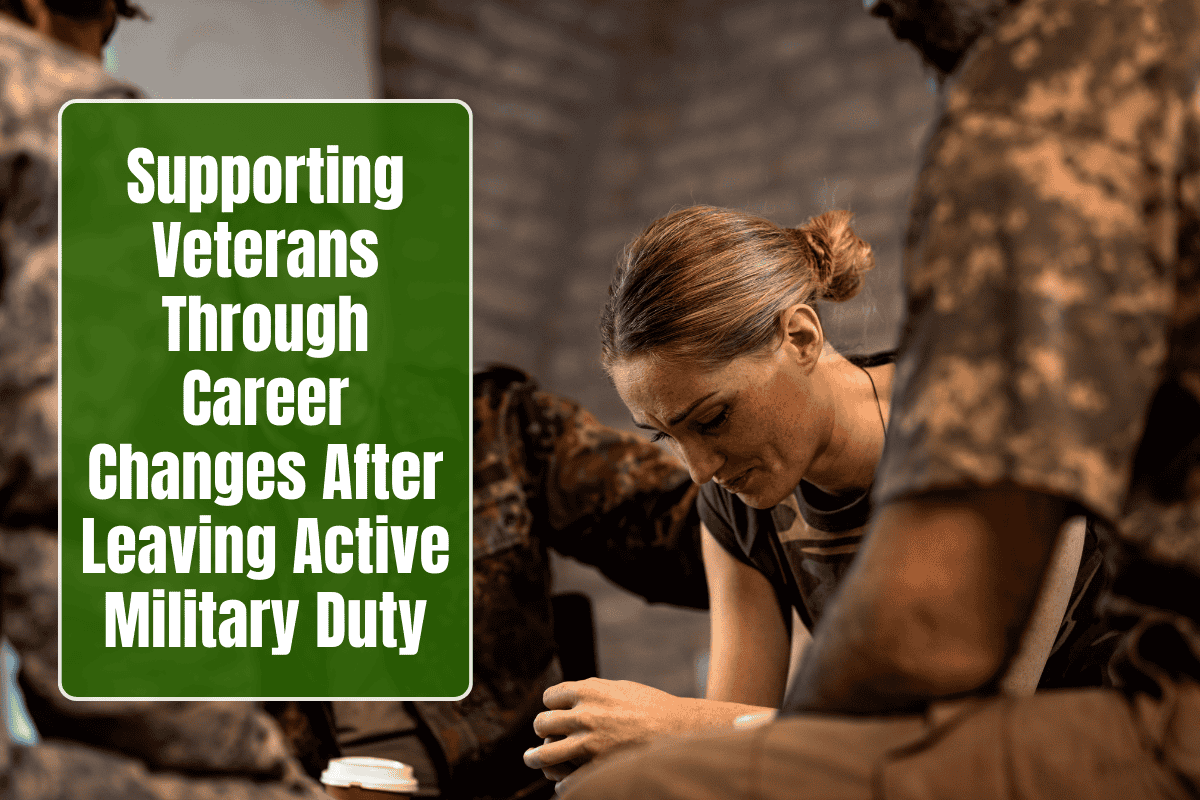
Veterans face reintegration hurdles: translating military skills to civilian jobs, combating stigma, and managing invisible wounds like PTSD affecting 20-30% post-deployment. Spouses shoulder household overload, with 80% handling bills/childcare amid veteran irritability or numbing, leading to caregiver burden and secondary trauma. Employment gaps hit 43% early post-discharge; social alienation from “civilian misunderstandings” compounds isolation.
Partners grasp these via VA resources or PsychArmor, reframing behaviors as trauma responses to build empathy over resentment.
Emotional and Mental Health Support
Validate struggles: “It’s normal to feel lost—I’m here.” Encourage VA therapies like PE/EMDR gently: “I’ll attend the first session.” Co-develop coping for hyperarousal—quiet zones, breathing exercises—reducing outbursts 50% in supported homes. Normalize job search anxiety; celebrate resume tweaks translating MOS to civilian terms.
Self-care prevents burnout: spouses join PGCSS for counseling/respite, sustaining partnership. Couples therapy like CBCT rebuilds intimacy eroded by numbing.
Practical Assistance with Employment and Finances
Aid job hunts: translate skills via RecruitMilitary fairs or Hire Heroes USA; practice interviews highlighting leadership. Co-navigate VA benefits—GI Bill, vocational rehab—for education/careers, with partners attending TAP workshops. Budget together: track expenses, build emergency funds amid 60% financial stress.
Mentor programs like ACP pair veterans with guides; spouses network via USAA jobs matching military experience.
Fostering Social Reconnection and Routines
Combat isolation: join Team RWB events or ETS-SP sponsors for community ties, with partners attending to ease entry. Rebuild routines—consistent meals, walks—restoring predictability lost in transitions. Host low-key gatherings translating “military speak” for civilians, bridging worlds.
Family involvement halves dropout from transition programs, enhancing social support.
Navigating Benefits and Resources Collaboratively
Decode VA: partners help file claims, access Vet Centers for counseling/employment aid. Explore WWP mentorship, Luke’s Wings flights for family reconnection. Nonprofits like Schultz Foundation aid junior enlisted; spouses advocate in hearings.
Joint planning prevents overwhelm, with 71% veterans relying on partners for daily support.
Self-Care for Partners to Sustain Support
Spouses risk depression from overload—prioritize therapy, peers via Military OneSource. Boundaries like “recharge time” preserve energy; celebrate mutual wins.
FAQs
Q1: How to emotionally support amid PTSD?
Validate without fixing; co-cope triggers, encourage VA therapy jointly.
Q2: What aids job transitions?
Translate skills, attend TAP/fairs; practice interviews highlighting leadership.
Q3: How rebuild social ties?
Join RWB/ETS-SP events together; host gatherings bridging military-civilian gaps.
Q4: Tips for benefits navigation?
File claims jointly, use Vet Centers; explore GI Bill/voc rehab.
Q5: Prevent partner burnout?
PGCSS counseling/respite; set boundaries, prioritize self-care.
Q6: Long-term reintegration success?
Routines, CBCT therapy; mutual celebration halves dropout/isolation.