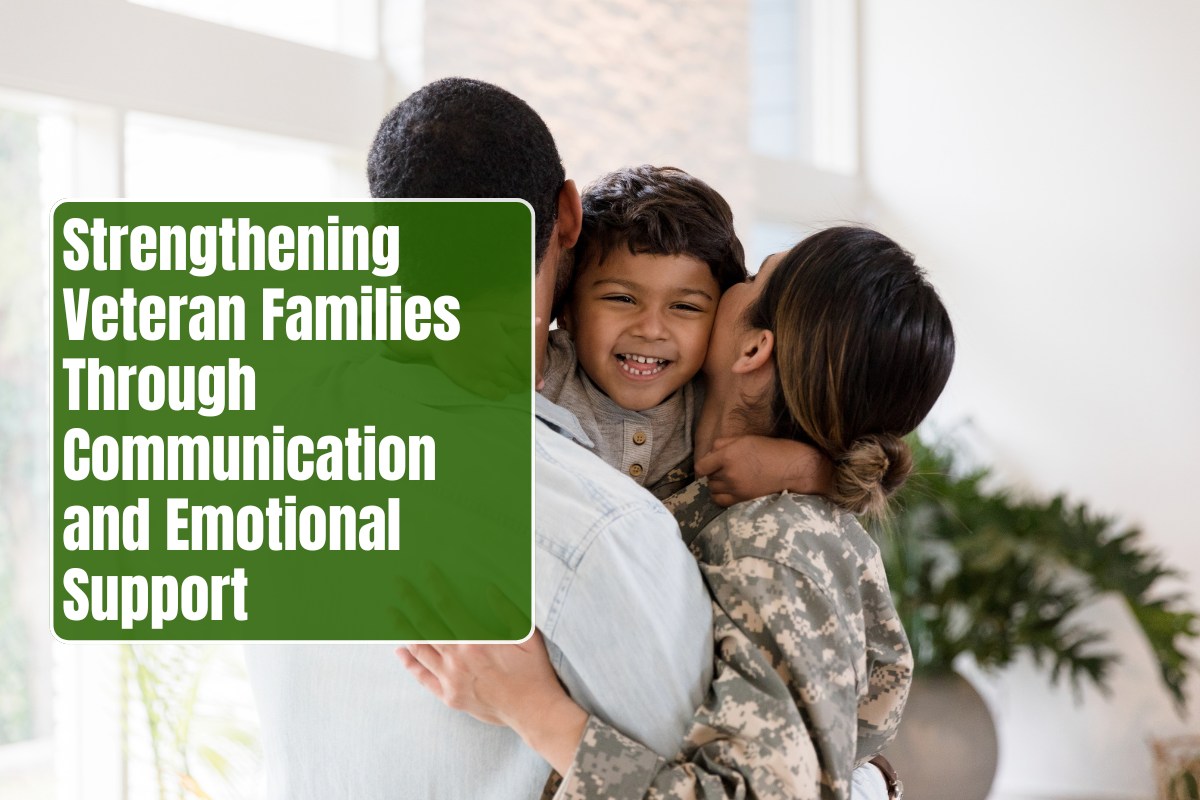
Communication and emotional support form the bedrock of strengthening veteran families amid PTSD challenges, fostering resilience by reducing isolation and enhancing therapy engagement up to 50% through shared understanding.
Families practicing active listening and psychoeducation report lower conflict and higher satisfaction, transforming trauma’s ripple effects into collective healing. These strategies empower veterans and loved ones to rebuild bonds strained by numbing or hyperarousal.
Building Open Communication Channels
Veteran families thrive when conversations normalize PTSD as treatable, not personality flaws—family members viewing symptoms this way boost therapy attitudes and adherence. Use “I” statements like “I feel worried when…” to express concerns without blame, encouraging veterans to share without fear of judgment. Structured check-ins—weekly family huddles—facilitate honest dialogue, with therapists teaching active listening: reflect back “It sounds like that was tough.”
Avoid interruptions during disclosures; validate mixed feelings about service or symptoms, reducing resentment cycles. Couples therapy like CBCT equips dyads with skills, yielding PTSD drops and intimacy gains.
Providing Empathetic Emotional Validation
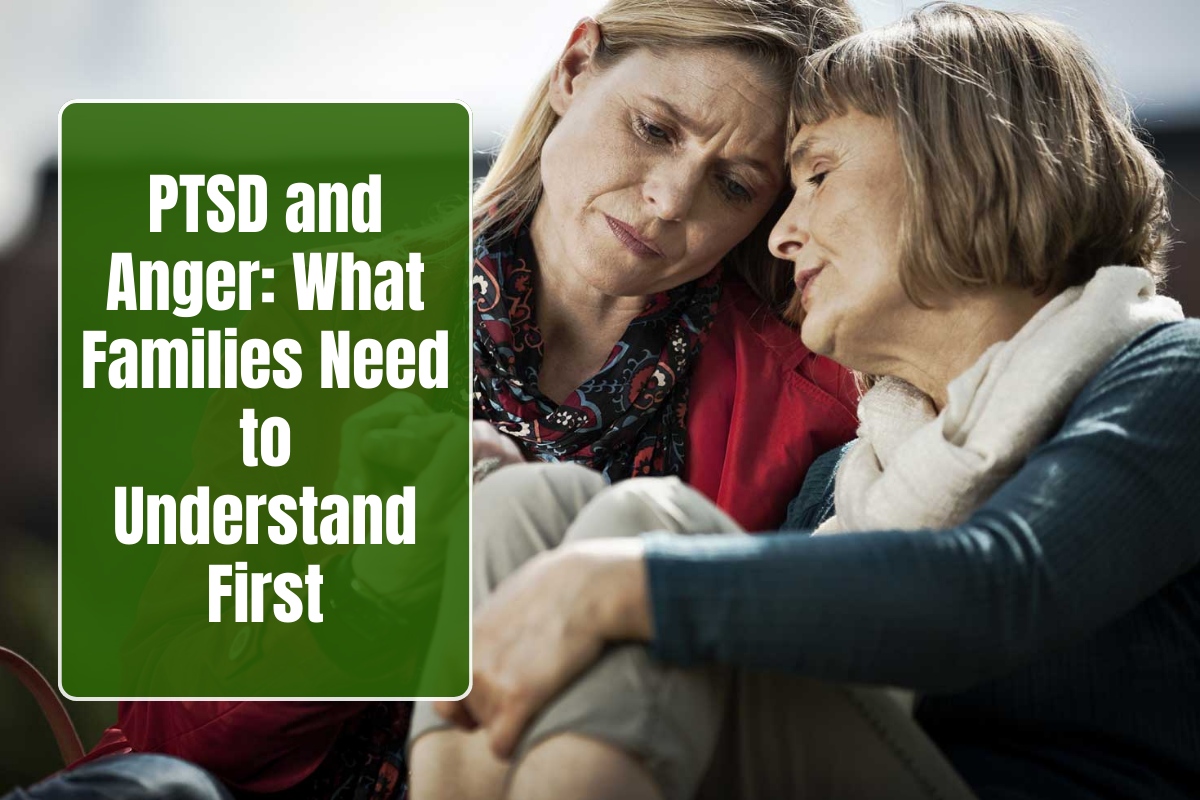
Emotional support buffers PTSD—disclosure to understanding loved ones protects against severity, while blame worsens it. Reassure “You’re not alone; I’m here” during numbing episodes, countering withdrawal that erodes trust. Recognize “ambiguous loss”—physical presence, emotional absence—through patience, not pressure.
Military-experienced networks offer authentic empathy; veterans with such ties report stronger norms favoring therapy. Praise coping efforts: “I’m proud you tried that breathing exercise,” building momentum.
Fostering Family Resilience Practices
Routines anchor stability—consistent meals, activities blow off steam, easing hyperarousal. Joint mindfulness or grounding teaches emotion regulation, with family-inclusive PE halving dropouts via “workout buddy” roles. Trauma-informed parenting workshops equip parents to discuss PTSD age-appropriately, preventing child internalization.
Peer events normalize struggles; SRQ Vets workshops bridge gaps, reducing isolation.
Leveraging Therapy and Resources
Family therapy creates safe spaces, teaching conflict resolution and reconnection post-deployment. VA’s PTSD Family Coach app offers tools; caregiver programs provide respite, sustaining support. Bidirectional encouragement—veterans urging spouses’ therapy—improves unit functioning.
Overcoming Common Hurdles
Resistance fades with psychoeducation; brief interventions prepare for flares, boosting buy-in. Address accommodations enabling avoidance by modeling healthy boundaries.
FAQs
Q1: How does communication reduce PTSD isolation?
“I” statements and check-ins normalize symptoms, doubling therapy engagement via family encouragement.
Q2: Why validate emotions without fixing?
Counters numbing’s rejection feel; builds trust, protective against severity.
Q3: What routines build resilience?
Meals/activities regulate arousal; joint mindfulness halves dropouts.
Q4: Role of military-experienced support?
Provides authentic norms favoring therapy, enhancing empathy.
Q5: How does family therapy strengthen bonds?
CBCT teaches skills, yielding symptom/relationship gains.
Q6: Free resources for families?
VA Coach app, PsychArmor, caregiver respite programs.