Military service brings profound emotional and psychological changes, not only to the veterans themselves but also to their families. Partners and children of veterans often face unique challenges as they navigate life with someone who has experienced combat, deployment, or other military-related stresses.
The emotional impact on veteran partners and children can range from anxiety and isolation to emotional exhaustion, but with proper support, families can build resilience and create strong, healthy relationships despite these challenges.
Emotional Challenges for Partners of Veterans
The partners of veterans play a crucial role in the emotional well-being of their loved ones. However, their own emotional health can be deeply affected by the stresses of military service, especially during and after deployment.
Common emotional challenges for veteran partners include:
- Uncertainty and Worry: Constant concern for the safety of their spouse during deployment or training periods can lead to anxiety and heightened stress. This uncertainty can create emotional strain, particularly when veterans return home with visible or invisible injuries.
- Isolation: Military families, particularly those stationed in remote or overseas locations, can feel isolated from extended family and friends. The partner of a veteran may struggle with loneliness, especially if their spouse is distant or emotionally unavailable due to their service-related experiences.
- Role Strain: Often, veteran partners take on additional responsibilities in the household, including financial management, child-rearing, and emotional support. This increased workload can lead to burnout or resentment if not acknowledged or addressed.
- Emotional Distance: Partners may experience emotional distance or changes in the behavior of the veteran after deployment, particularly if the veteran has PTSD or other trauma-related conditions. This can create a feeling of disconnection, frustration, or helplessness.
How to Support Veteran Partners:
- Encourage open communication and listening.
- Provide access to counseling services, either individually or as a couple.
- Build a strong support network with other military families.
- Practice self-care and create time for personal interests and activities.
The Impact of Service on Children
The children of veterans may face emotional difficulties due to their parent’s service. Whether it’s the worry of their parent’s safety during deployment, adjusting to the absence of a parent, or coping with the emotional changes that occur when a parent returns, the children can experience a range of emotions.
Key emotional impacts on children of veterans include:
- Separation Anxiety: Long periods of deployment can cause children to feel abandoned or anxious about their parent’s safety. The absence of a parent can create an emotional void and lead to feelings of insecurity.
- Changes in Family Dynamics: The return of a veteran can disrupt the family dynamic, especially if the veteran is dealing with physical or emotional trauma. Children may struggle with changes in behavior, mood swings, or altered family routines.
- Fear and Worry: Children often overhear discussions or see changes in their parent’s behavior, which can create confusion and fear. Worry about their parent’s well-being or the potential for another deployment can lead to anxiety and a sense of helplessness.
- Behavioral Changes: Some children may act out or withdraw emotionally in response to the stress and uncertainty of having a parent in the military. They may exhibit behavioral problems in school, at home, or in social settings as a way to cope with their feelings.
How to Support Children of Veterans:
- Encourage open, age-appropriate communication about the parent’s service and emotions.
- Provide reassurance and consistency in routines.
- Engage children in support groups with peers who have similar experiences.
- Seek professional counseling if needed to address trauma or behavioral issues.
- Maintain a sense of stability and predictability in the child’s environment.
PTSD and Its Impact on Family Dynamics
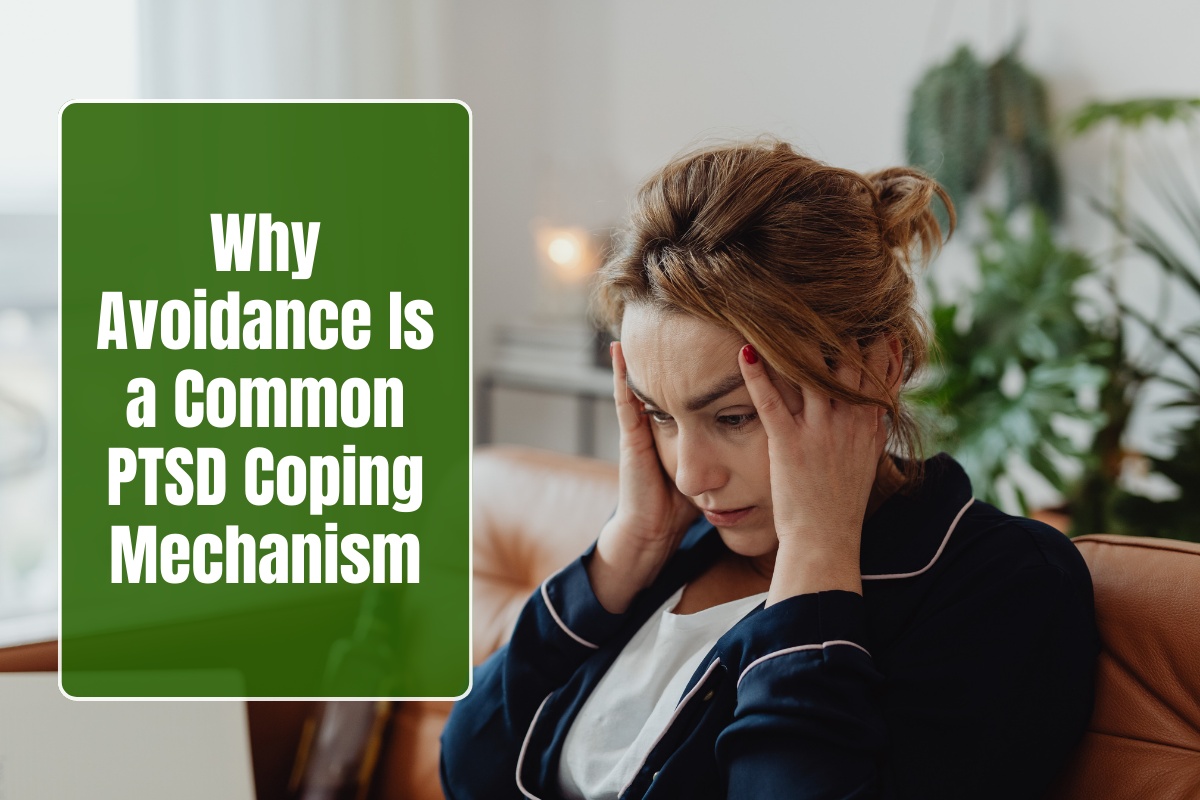
Post-traumatic stress disorder (PTSD) is a common condition among veterans who have experienced combat or high-stress military situations. PTSD can significantly impact the emotional health of both the veteran and their family members.
For partners, living with someone who has PTSD can be emotionally taxing due to:
- Hypervigilance and Irritability: Veterans with PTSD may become easily irritated, have emotional outbursts, or display paranoia. This can create a tense and unpredictable home environment.
- Emotional Numbness: PTSD can cause veterans to emotionally withdraw from their partners and children, leaving them feeling isolated and disconnected.
- Fear of Triggers: Certain situations or reminders of traumatic events can lead to flashbacks or emotional reactions in the veteran, creating anxiety or discomfort for the entire family.
How to Cope With PTSD-Related Stress:
- Establish a calm and understanding environment for veterans to express their feelings.
- Learn about PTSD symptoms to better understand reactions and behaviors.
- Seek therapy or counseling for both the veteran and family members.
- Engage in family activities that promote bonding and reduce stress.
The Importance of Support Systems
One of the most effective ways to help veteran families cope with the emotional challenges of military life is through strong support networks. These networks can include:
- Other Military Families: Connecting with others who understand the unique challenges of military life can provide mutual support, advice, and emotional relief.
- Counseling and Therapy: Professional help is crucial for families struggling with PTSD, depression, anxiety, or other issues related to service. Couples counseling and family therapy can help address relationship strain and improve communication.
- Community Groups and Veterans’ Organizations: Many organizations exist to support veterans and their families, offering everything from financial aid to social events and mental health services.
Moving Forward: Building Resilience and Strength
While the emotional impacts of service on veteran partners and children can be profound, families can build resilience and strength over time. Healing and recovery require ongoing effort, compassion, and support, both for the veterans and their loved ones.
Key ways to foster resilience include:
- Fostering Strong Communication: Open and honest conversations allow family members to understand each other’s feelings and needs. Regular communication helps address challenges before they escalate.
- Setting Boundaries and Seeking Balance: It’s important for family members to set emotional boundaries to avoid burnout, while also making time for relaxation and self-care.
- Creating Shared Experiences: Engaging in enjoyable activities and making positive memories together helps rebuild emotional connections and strengthen relationships.
The emotional impact of military service on veterans’ families is undeniable, but with compassion, understanding, and the right resources, families can overcome these challenges and foster long-term emotional well-being. By supporting each other, seeking professional help when needed, and building strong support systems, families can navigate the emotional complexities of service and create resilient, loving environments for both veterans and their loved ones.
Frequently Asked Questions (FAQs)
Q. How can I help my partner with PTSD while managing my own emotions?
Be patient, supportive, and encourage them to seek professional help. Take time for self-care and reach out for support from counselors or military family groups.
Q. How can I talk to my children about a parent’s deployment?
Use age-appropriate language to explain the situation, reassure them about their parent’s safety, and encourage open communication about their feelings.
Q. Is it normal for a child of a veteran to act out emotionally?
Yes. Children may exhibit behavioral changes due to the stress of a parent’s deployment or trauma. Encourage open dialogue and seek counseling if needed.
Q. What resources are available for families dealing with PTSD?
Many veterans’ organizations, local community centers, and military support groups offer resources such as counseling, workshops, and peer support for families affected by PTSD.
Q. How can I improve my family’s emotional well-being if my partner is distant due to PTSD?
Foster an environment of patience and understanding, while also taking care of your own mental health. Encouraging therapy and creating safe spaces for conversation can help.