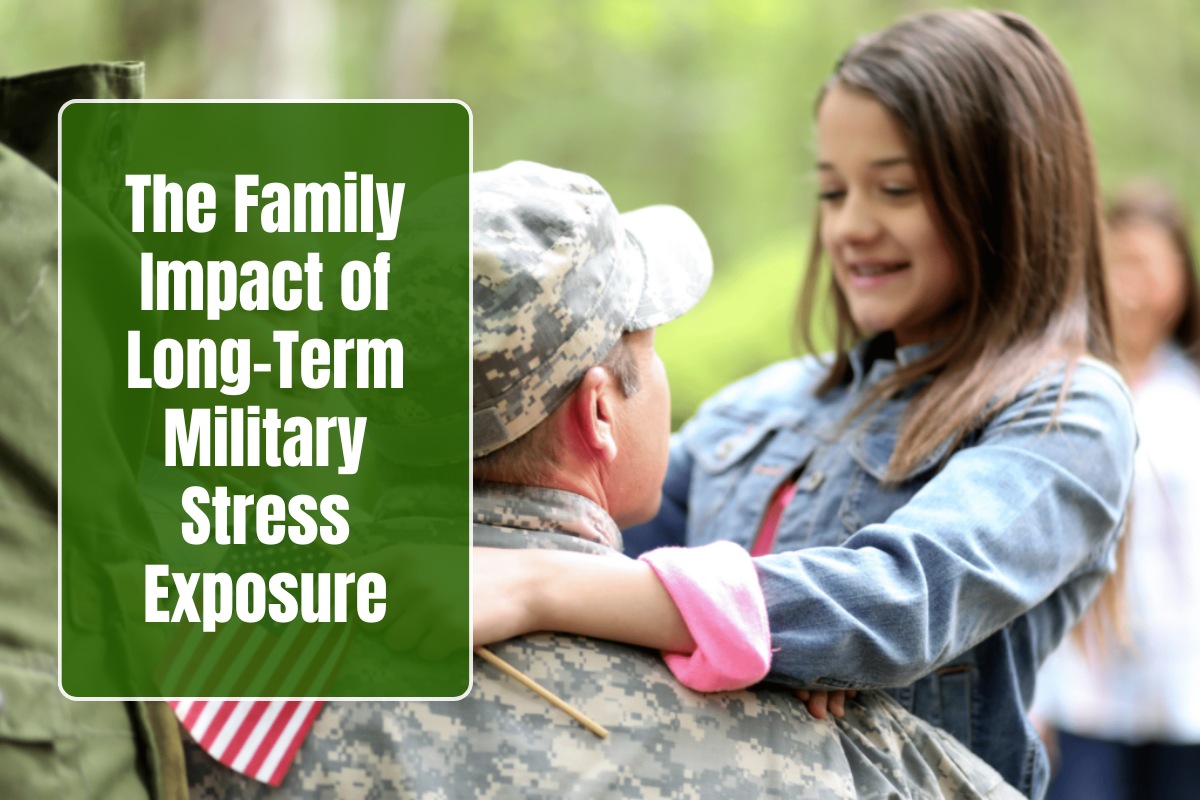
Long-term military stress exposure affects far more than the service member alone. While much attention is rightly given to the physical and psychological toll on those who serve, the ripple effects of sustained military stress often extend deeply into family systems.
Spouses, children, and extended family members frequently adapt their lives around prolonged deployments, repeated relocations, and the emotional consequences of chronic stress. Over time, these pressures can reshape family dynamics, emotional health, and relationships in lasting ways.
Understanding Long-Term Military Stress
Military stress exposure is not limited to combat situations. It includes repeated deployments, constant readiness, separation from loved ones, exposure to danger, moral injury, and the strain of reintegration into civilian or family life. When these stressors persist over years or decades, they can accumulate and become chronic.
This long-term exposure can alter emotional regulation, communication patterns, and coping mechanisms. Families often absorb these changes, sometimes without fully understanding their origins.
Emotional Spillover into Family Life
One of the most significant family impacts of long-term military stress is emotional spillover. Service members under chronic stress may experience irritability, emotional withdrawal, anxiety, or hypervigilance. These responses, while adaptive in military environments, can be confusing or distressing in family settings.
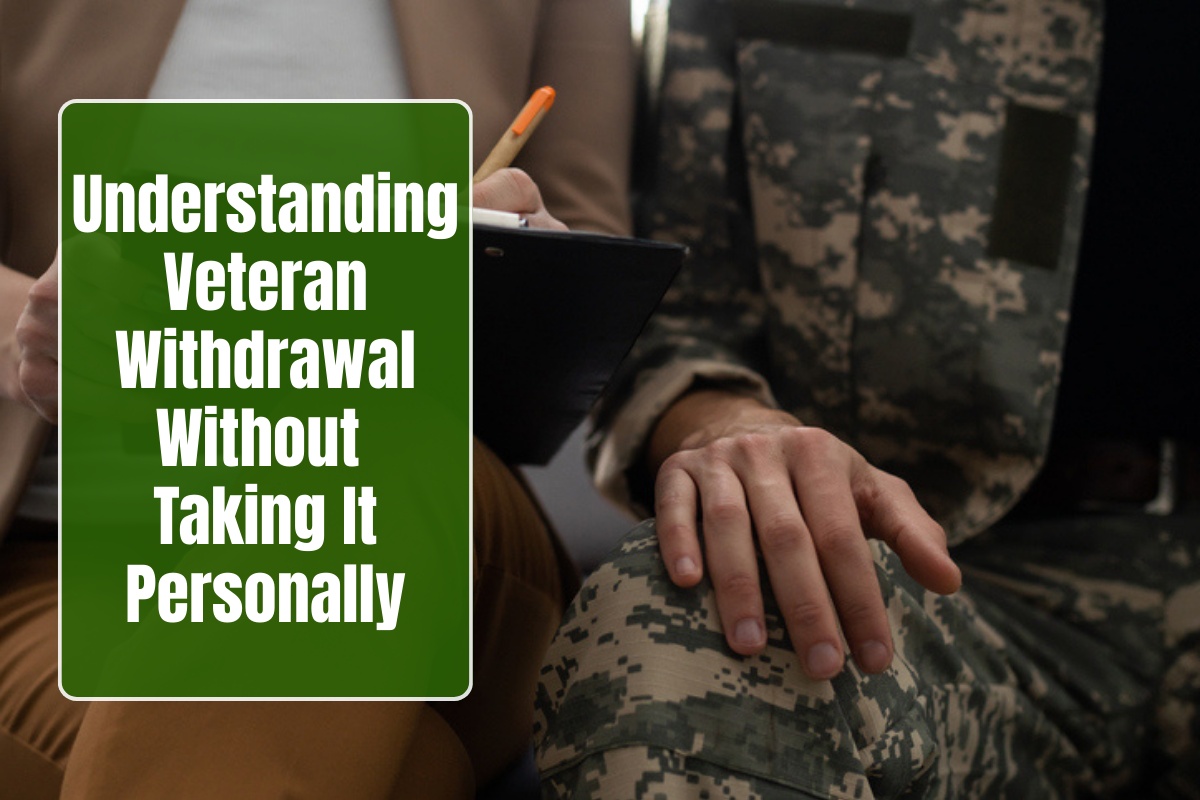
Spouses and partners may feel emotionally distant from their loved one, sensing a barrier they cannot easily cross. Children may interpret emotional unavailability as rejection, even when it stems from stress rather than lack of care. Over time, this emotional disconnect can strain relationships and reduce feelings of closeness within the family.
The Burden on Spouses and Partners
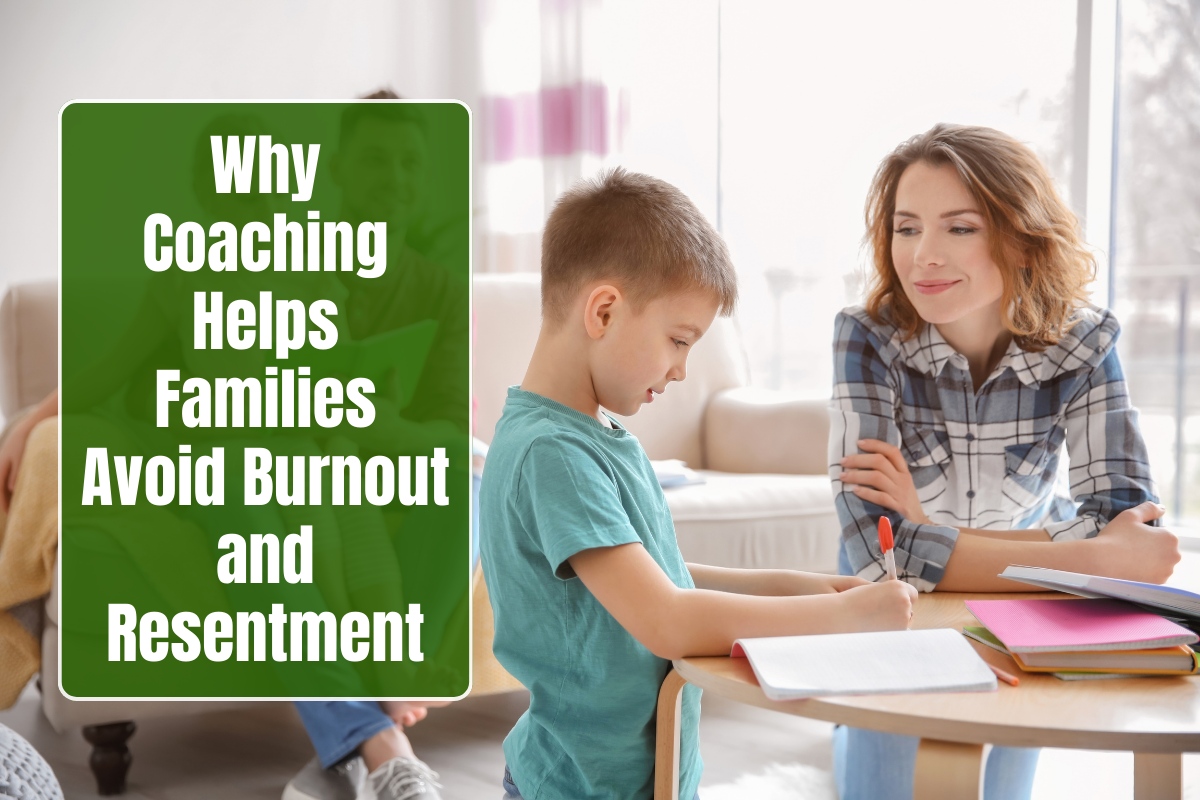
Spouses and partners often carry an invisible load in military families. During deployments or periods of high stress, they may assume full responsibility for household management, parenting, and emotional stability. This role expansion can lead to exhaustion, resentment, or feelings of isolation.
In addition, partners may suppress their own needs to avoid adding pressure to the service member. Over time, this emotional self-silencing can contribute to anxiety, depression, or burnout, further affecting the health of the relationship.
Impact on Children and Development
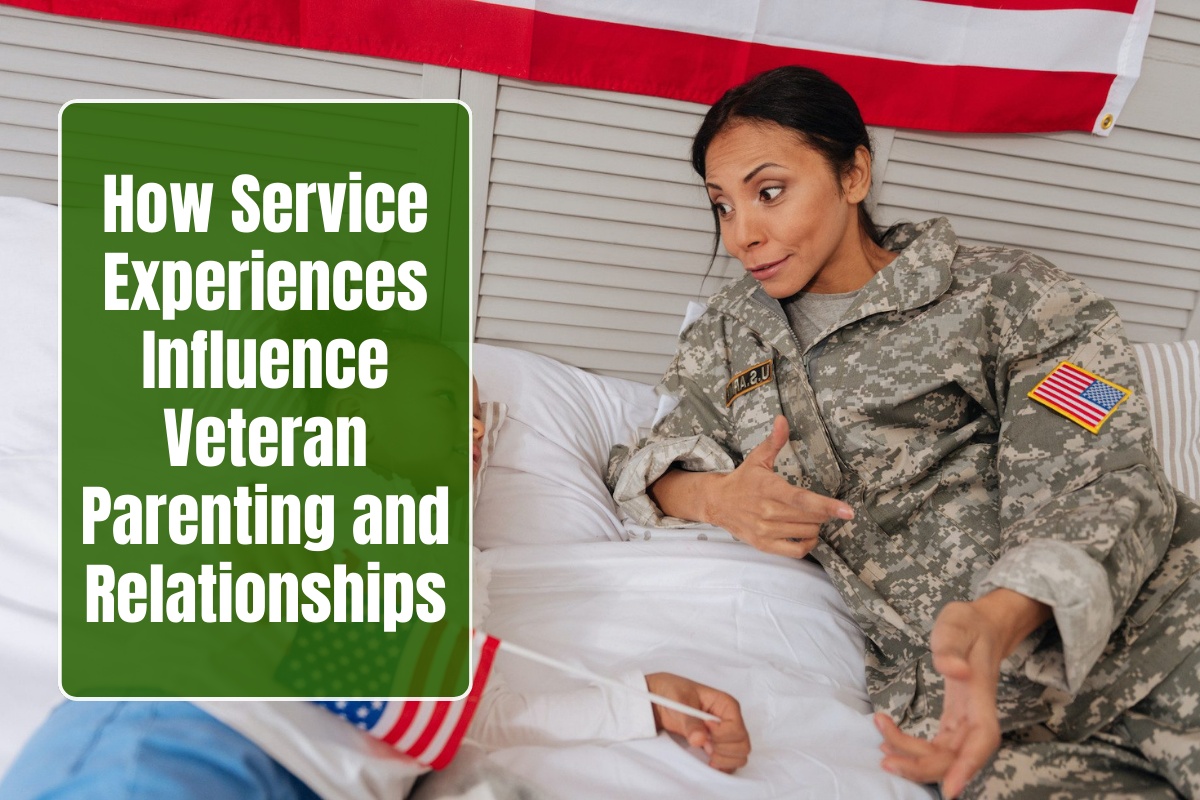
Children in military families are particularly sensitive to long-term stress exposure. Frequent moves, parental absence, and emotional unpredictability can disrupt a child’s sense of security and stability. Some children may become overly responsible at a young age, while others may struggle with behavioral or emotional regulation.
Children may also mirror the stress responses they observe, developing heightened anxiety or difficulty expressing emotions. Without proper support, these patterns can persist into adolescence and adulthood, shaping how they form relationships and cope with stress later in life.
Communication Challenges and Conflict Patterns
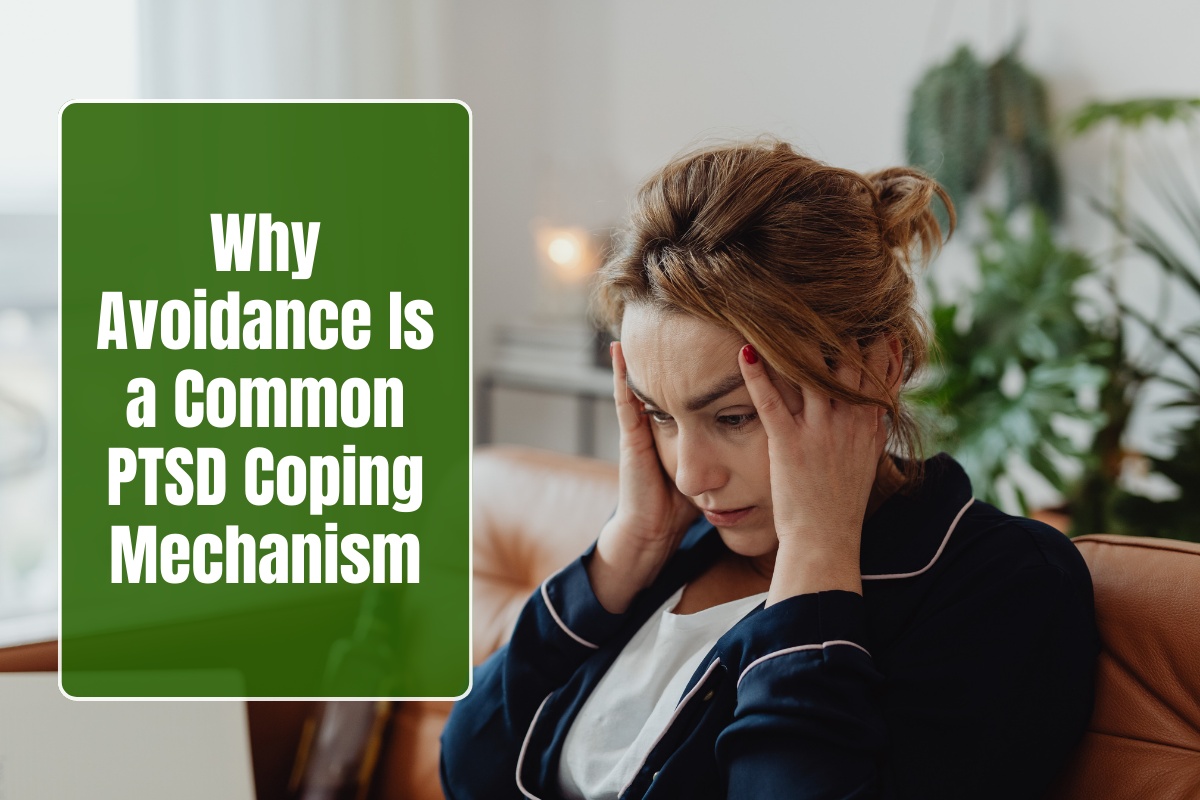
Chronic military stress often affects how families communicate. Service members may avoid sharing experiences to protect loved ones or because discussing them feels overwhelming. At the same time, family members may hesitate to ask questions, fearing they will trigger distress.
This mutual avoidance can lead to misunderstandings, unresolved tension, and increased conflict. Disagreements may escalate quickly if stress responses are activated, or they may be avoided altogether, preventing healthy resolution and emotional repair.
Reintegration and Role Adjustments
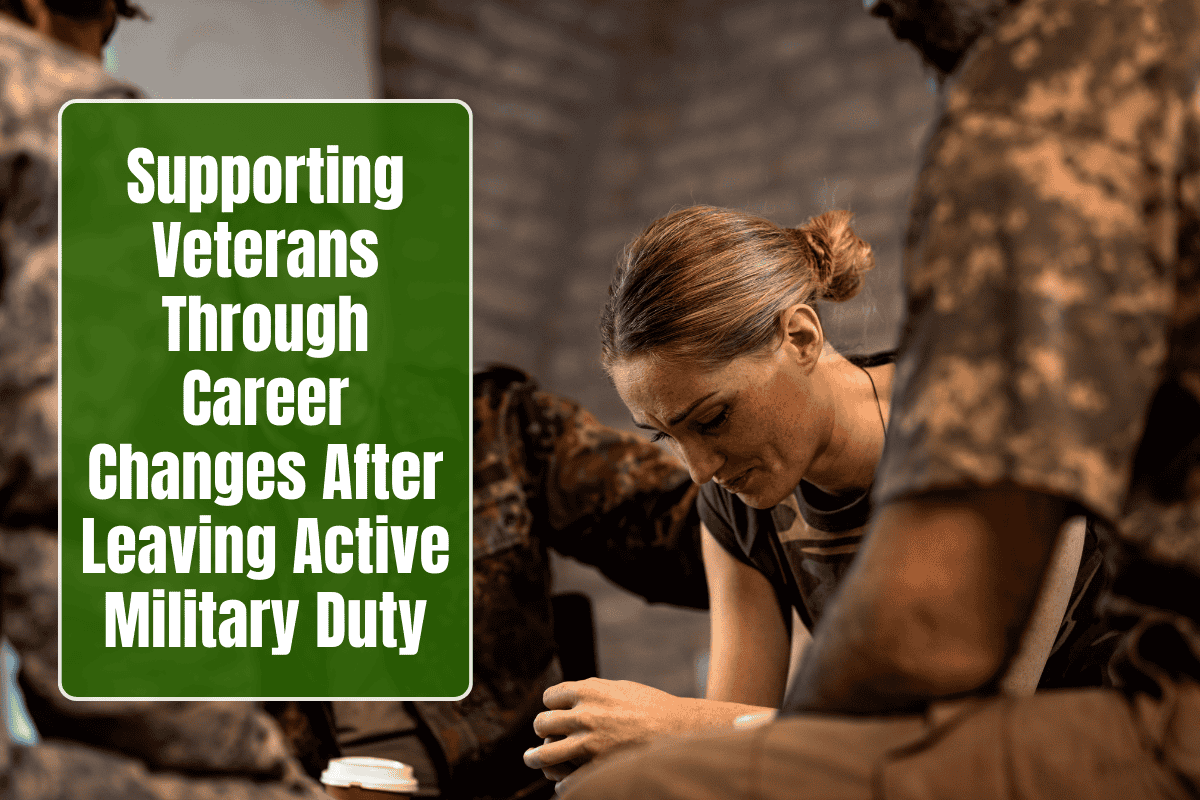
Reintegration after deployments or prolonged service periods is another major challenge. Family routines and roles often shift during absences, and re-establishing balance can be difficult. Both the service member and family members may struggle to renegotiate responsibilities, authority, and emotional connection.
These transitions can create friction, especially if expectations are unspoken or unrealistic. Without open dialogue and patience, reintegration stress can compound existing emotional strain.
Pathways to Resilience and Healing
Despite these challenges, many military families demonstrate remarkable resilience. Awareness is a crucial first step. When families understand that stress-related behaviors are responses to long-term exposure rather than personal failings, blame and shame often decrease.
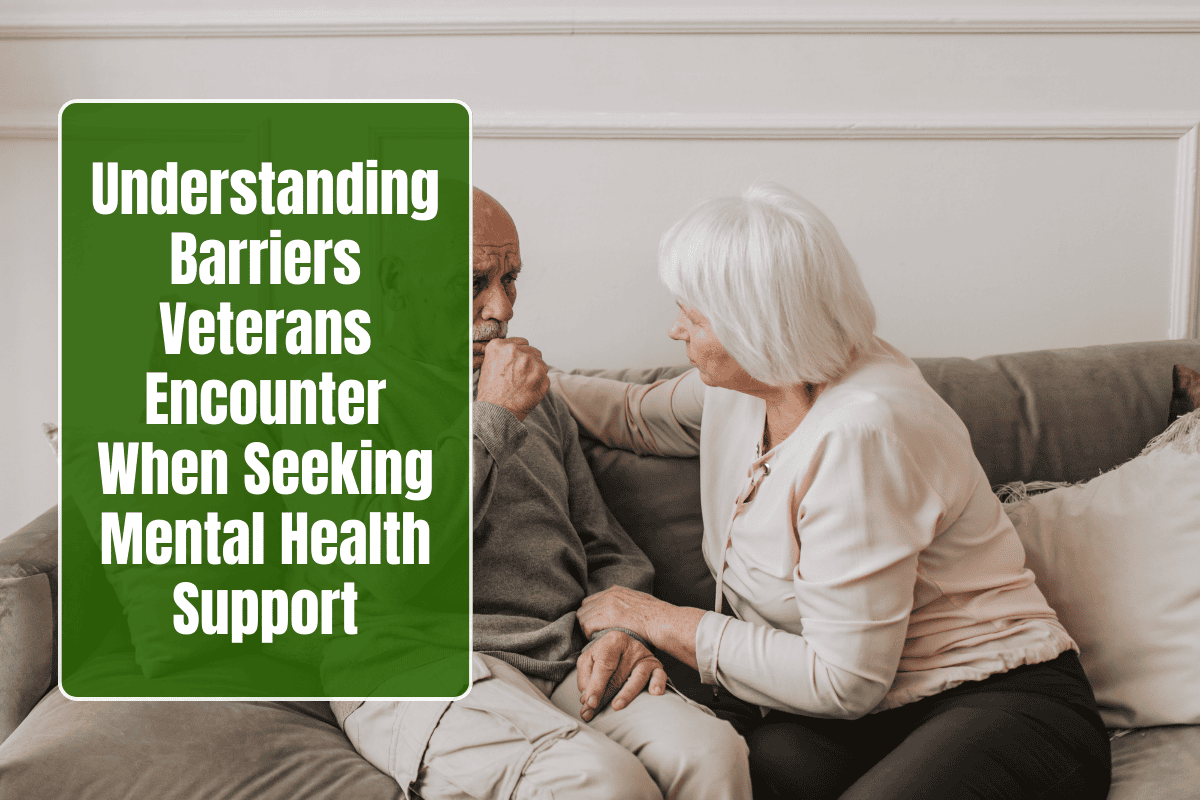
Support systems such as counseling, peer support groups, and family-focused interventions can help restore connection and communication. Creating routines, encouraging emotional expression, and fostering shared meaning around service experiences also strengthen family bonds.
Moving Toward Collective Well-Being
Long-term military stress exposure is not an individual issue—it is a family experience. Addressing its impact requires a holistic approach that considers the emotional health of every family member. With understanding, support, and compassion, military families can navigate the challenges of long-term stress while preserving connection, stability, and mutual care.
FAQs
How does long-term military stress affect families differently than short-term stress?
Long-term stress accumulates over time, leading to chronic emotional, relational, and behavioral changes that deeply affect family dynamics.
Why do spouses often feel emotionally exhausted in military families?
Spouses frequently carry added responsibilities and emotional labor while suppressing their own needs, which can lead to burnout.
How are children impacted by ongoing military stress exposure?
Children may experience anxiety, behavioral changes, or emotional insecurity due to parental absence, relocations, and household stress.
Why is reintegration after deployment challenging for families?
Roles, routines, and emotional expectations often shift during absence, making adjustment difficult when the service member returns.
Can families recover from the effects of long-term military stress?
Yes. With awareness, supportive resources, and open communication, families can build resilience and strengthen relationships over time.