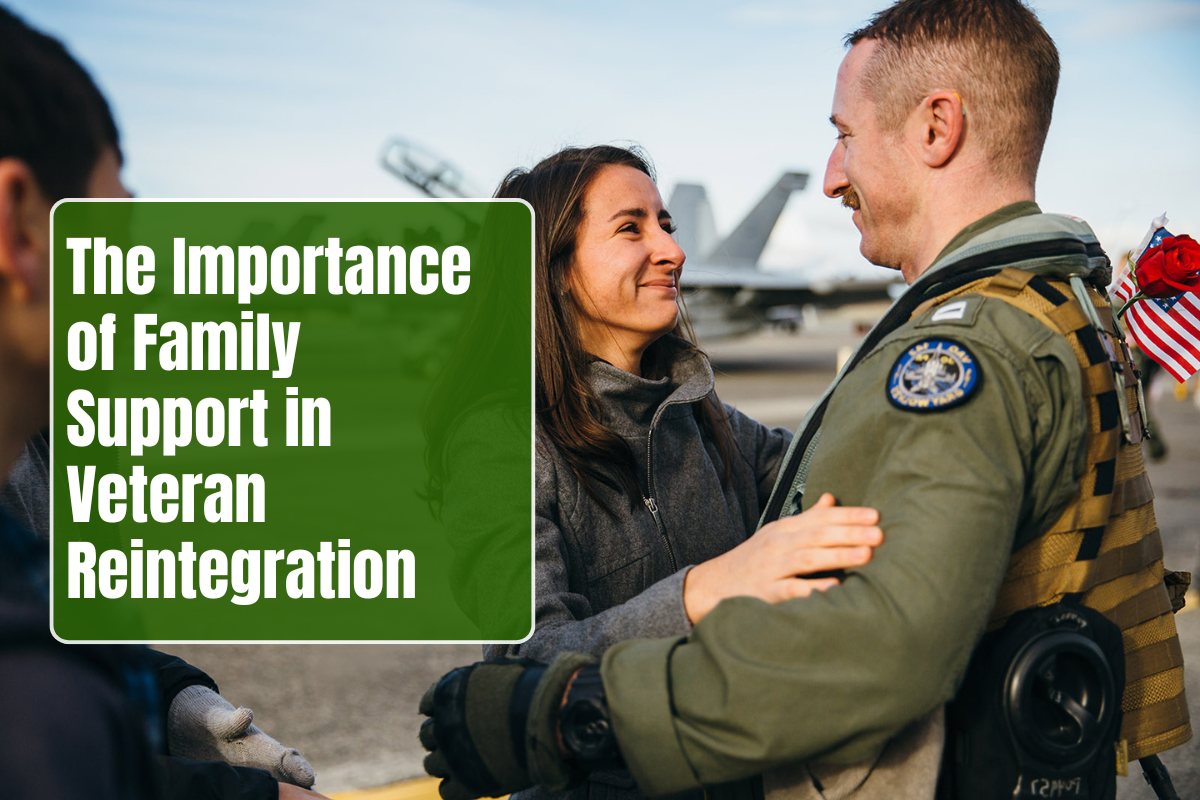
Reintegration after military service is a complex transition that extends far beyond returning home. Veterans often face significant adjustments as they move from structured, high-intensity environments into civilian life.
This process can involve changes in identity, routines, relationships, and emotional regulation. Family support plays a central role in determining how successfully a veteran navigates this transition. When families are informed, patient, and engaged, they become one of the most powerful stabilizing forces in a veteran’s reintegration journey.
Understanding Reintegration as a Process, Not an Event
Reintegration does not end when a veteran returns home. It is an ongoing process that can take months or years and often unfolds in stages. Veterans may struggle with changes in pace, loss of military identity, or difficulty finding purpose in civilian roles.
Family members who understand reintegration as a gradual adjustment are better positioned to offer support without unrealistic expectations. This perspective reduces pressure on veterans to “be back to normal” and allows healing and adaptation to occur at a sustainable pace.
Emotional Safety and Stability at Home
For many veterans, the home environment becomes the primary place where they decompress and process their experiences. Family support creates emotional safety—a sense that the veteran can exist without constant vigilance or performance.
A supportive family atmosphere provides:
- Consistency and predictability
- Acceptance without judgment
- Space to rest and recover emotionally
This stability helps calm an overactive stress response and allows veterans to gradually re-engage with civilian life.
Helping Veterans Rebuild Identity and Purpose
Military service often provides a strong sense of identity, mission, and belonging. After service, veterans may feel disconnected from their previous sense of purpose.
Family encouragement helps veterans explore new roles, interests, and goals without pressure or comparison to past achievements. Supportive families validate the veteran’s evolving identity and reinforce the idea that worth is not limited to military performance.
Reducing Isolation and Emotional Withdrawal
Many veterans experience isolation during reintegration, especially if they feel misunderstood by civilians. Family members are often the first line of connection that can counteract withdrawal.
Regular, low-pressure interaction—shared meals, casual conversations, or quiet presence—helps veterans stay connected without overwhelming them. This consistent connection reduces the risk of long-term isolation and strengthens emotional bonds.
Supporting Mental Health and Well-Being
Reintegration may surface or intensify mental health challenges such as anxiety, depression, or post-traumatic stress. Family support does not replace professional care, but it significantly influences outcomes.
Families can support mental health by:
- Encouraging help-seeking without forcing it
- Reducing stigma around emotional struggles
- Noticing changes in behavior or mood
- Offering practical support during treatment
When veterans feel supported rather than judged, they are more likely to engage in care and recovery.
Improving Communication and Reducing Conflict
Reintegration can strain family relationships, especially when communication styles shaped by military life clash with civilian expectations. Misunderstandings are common during this adjustment period.
Family support involves learning new ways to communicate—listening without immediate problem-solving, expressing needs clearly, and allowing space for emotional processing. Improved communication reduces conflict and builds mutual understanding over time.
Providing Practical and Daily-Life Support
Beyond emotional support, families often assist with practical aspects of reintegration such as navigating employment, education, healthcare systems, or daily routines.
This assistance reduces cognitive overload and stress, especially during the early stages of transition. Practical support allows veterans to focus energy on adjustment rather than constant problem-solving.
Creating a Sense of Belonging
Belonging is a fundamental human need that is deeply reinforced during military service. After separation, veterans may grieve the loss of unit camaraderie.
Family support helps restore a sense of belonging by reinforcing that the veteran is valued, needed, and connected. This sense of inclusion is critical for long-term emotional health and reintegration success.
Strengthening Resilience Through Shared Effort
Reintegration is not something veterans should navigate alone. When families approach it as a shared effort, resilience increases on all sides.
Shared resilience means:
- Acknowledging challenges openly
- Adjusting expectations together
- Celebrating progress, even when it is slow
This collaborative approach strengthens family bonds and reduces feelings of failure or frustration.
Educating Families About Military Transition
Family support is most effective when informed. Understanding military culture, trauma responses, and transition challenges helps families respond with empathy rather than confusion or fear.
Education empowers families to:
- Interpret behavior accurately
- Respond calmly to stress reactions
- Avoid personalizing symptoms
Informed support fosters patience and long-term connection.
Frequently Asked Questions (FAQ)
Q. Why is family support so important during reintegration
Because families provide emotional safety, stability, and connection that help veterans adjust to civilian life.
Q. Can family support reduce reintegration-related stress
Yes. Consistent support lowers isolation, improves emotional regulation, and strengthens coping capacity.
Q. What if family relationships are strained after service
Strain is common. With education, communication, and support, many families rebuild stronger connections over time.
Q. Does family support replace professional help
No. Family support complements professional care and often improves treatment engagement and outcomes.
Q. How can families support without overwhelming the veteran
By offering presence, patience, and choice rather than pressure, advice, or constant problem-solving.
Family support is a cornerstone of successful veteran reintegration. It provides emotional grounding, practical assistance, and a renewed sense of belonging during a period of profound transition. When families approach reintegration with empathy, flexibility, and shared responsibility, they create an environment where veterans can heal, adapt, and build meaningful lives beyond military service.