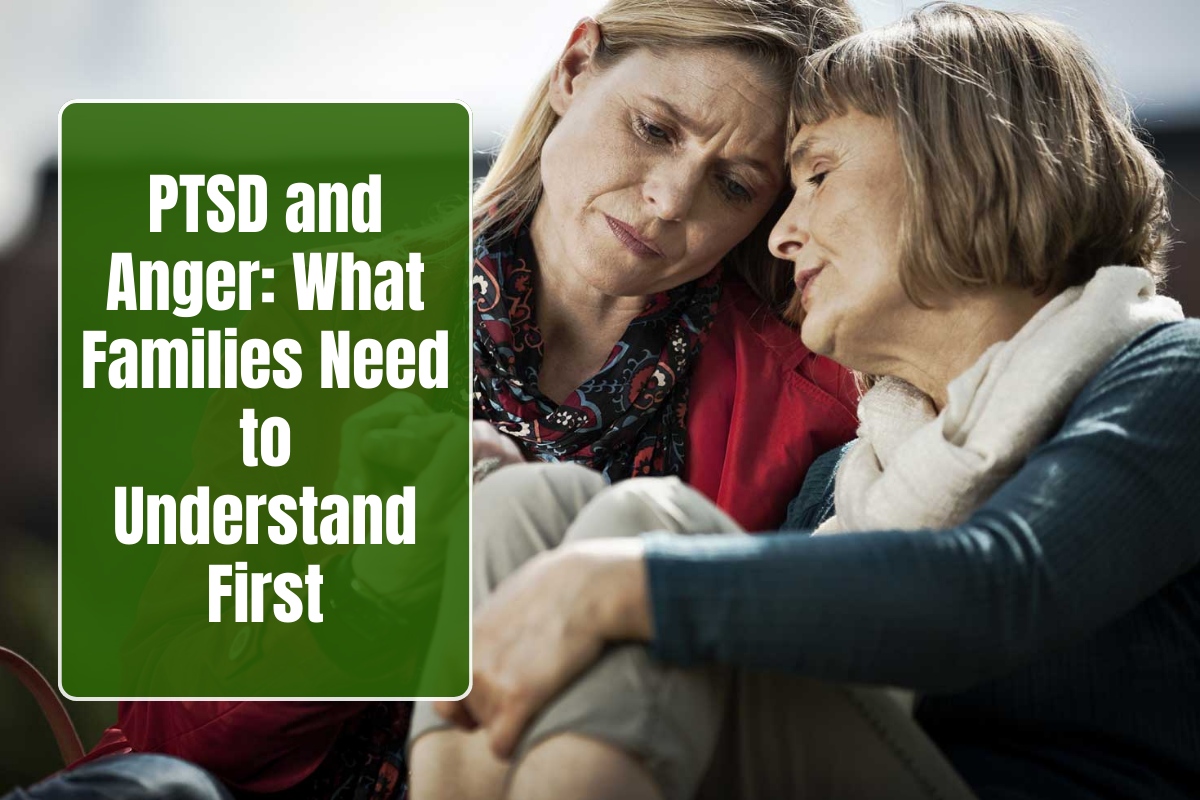
The transition from military service to civilian life is a significant change that affects many aspects of an individual’s emotional and psychological well-being. For veterans, returning to civilian life often involves a period of adjustment that can be both challenging and rewarding.
While military service offers structure, purpose, and camaraderie, civilian life requires adapting to new social norms, responsibilities, and a different pace of life. Understanding the emotional transition from service member to civilian is crucial for both veterans and their families to help them navigate this shift in a healthy and positive way.
The Impact of Military Service on Emotional Health
Military service is unique in its demands. Service members face high-pressure situations, exposure to potentially traumatic experiences, and often long periods of separation from family and friends. These challenges shape the emotional landscape of those who serve. Military life is structured, with clear goals and a sense of duty, which can offer comfort and stability. However, the psychological impact of the job can also leave emotional scars, particularly for those who have been exposed to combat situations.
Emotions like anger, anxiety, and grief are common, especially for those who have experienced trauma, and these feelings are often suppressed during active service as a means of maintaining focus and discipline. Upon returning to civilian life, veterans may suddenly find that these emotions are difficult to process and can surface in unexpected ways. The transition involves unpacking years of emotional experiences that have been largely kept in check while on active duty.
The Sense of Loss and Identity Crisis
One of the most profound challenges that veterans face when transitioning to civilian life is a loss of identity. The military provides a sense of purpose and belonging that is hard to replicate in civilian life. Service members are part of something greater than themselves, working as part of a team with a clear mission. In the civilian world, however, the structure and sense of community can feel less defined, leading to feelings of disconnection and isolation.
Many veterans experience an identity crisis, as they struggle to reconcile their military persona with their civilian self. They may have been known as a soldier, sailor, or airman for so long that the transition to being a civilian can feel like losing a part of themselves. This loss of identity can lead to confusion about one’s place in society, making it difficult to find new goals and direction.
The emotional dissonance between the highly structured military environment and the freedom of civilian life can be disorienting. Veterans often feel adrift and unsure of how to redefine themselves in a civilian context. It is crucial for both veterans and their families to understand that these feelings are normal and that finding a new sense of purpose may take time.
Difficulty Adjusting to Civilian Expectations
Another challenge in the emotional transition from military to civilian life is the difference in social expectations and norms. In the military, life is governed by clear rules and routines. Service members are part of a highly structured system with a strong sense of hierarchy and discipline. Civilian life, on the other hand, can seem chaotic and unstructured in comparison. For some veterans, this lack of clear guidelines can lead to frustration and feelings of incompetence.
Veterans may also struggle with the more informal nature of civilian interactions. The military fosters a specific way of communicating, with an emphasis on directness, respect for rank, and a sense of mission. In civilian life, communication styles can vary widely, and the lack of the same camaraderie and shared experience can leave veterans feeling out of place. They may miss the sense of unity and mission they experienced in the military, and this can lead to a longing for the structure and predictability that military life provided.
Social reintegration can also be difficult for veterans. They may feel disconnected from their civilian peers, who cannot fully understand the experiences and challenges that come with military service. This sense of isolation can deepen over time, leading to depression, anxiety, or even anger. Veterans might find it difficult to relate to friends or family members who have not shared similar experiences, which can further exacerbate feelings of loneliness.
Post-Traumatic Stress Disorder (PTSD) and Emotional Struggles
For some veterans, the emotional transition from military to civilian life is complicated by Post-Traumatic Stress Disorder (PTSD). PTSD is a mental health condition that can develop after someone experiences or witnesses a traumatic event. Many veterans return home with symptoms of PTSD, which may include flashbacks, nightmares, hypervigilance, anxiety, and emotional numbness. These symptoms can make it difficult to engage with civilian life and relationships in a healthy way.
The symptoms of PTSD can affect a veteran’s ability to reconnect with family members or maintain stable employment. The emotional toll of living with PTSD can lead to frustration and a sense of helplessness. It is crucial for veterans to seek professional help and support in managing these symptoms so that they can heal and successfully transition to civilian life.
Additionally, veterans may feel a sense of guilt or shame for having survived traumatic experiences or for not living up to their expectations of themselves after returning home. This can further complicate the emotional transition, as veterans may struggle with feelings of inadequacy or self-blame.
Building a New Sense of Purpose and Connection
Although the emotional transition from service member to civilian is undoubtedly challenging, it is also an opportunity for veterans to create a new sense of purpose and connection. It is essential to acknowledge that this transition is not an overnight process, and it will take time. However, with support and guidance, veterans can rebuild their emotional well-being and find new goals and passions.
Career reintegration can be one of the most rewarding aspects of transitioning to civilian life. Many veterans bring valuable skills, discipline, and leadership qualities to the workforce, which can lead to fulfilling new careers. Whether pursuing education, training, or entering a new job field, finding meaningful work can help veterans rediscover their sense of purpose.
In addition to professional pursuits, building or rebuilding personal relationships is crucial. Veterans should make an effort to connect with family members, friends, and others who can provide emotional support. Support groups specifically for veterans can also be a valuable resource for building connections with others who understand the unique challenges of the transition.
Finally, it’s important for veterans to engage in self-care. Prioritizing mental health through therapy, physical exercise, mindfulness practices, and a strong social support network can help ease the emotional burden of transitioning from military to civilian life. A strong foundation of self-care will enable veterans to embrace their new civilian identity and approach this next chapter of their lives with confidence and resilience.
FAQs
How long does it take to transition emotionally from military to civilian life?
The emotional transition can vary for each individual, but it often takes months or even years. It’s essential to be patient with yourself and seek support along the way.
What are the signs that a veteran may be struggling emotionally during this transition?
Signs of emotional struggle include withdrawal from family and friends, difficulty adjusting to a civilian routine, irritability, anger outbursts, or symptoms of PTSD such as flashbacks or anxiety.
How can family members support a veteran going through this emotional transition?
Family members can offer understanding, patience, and encouragement. Listening without judgment, seeking professional help when necessary, and helping veterans reconnect with their passions can make a significant difference.
Is PTSD a common issue for veterans transitioning to civilian life?
Yes, many veterans struggle with PTSD, which can significantly impact their emotional transition. Seeking professional help for PTSD is essential for managing symptoms and moving forward in a healthy way.
Can veterans find new purpose after leaving military service?
Yes, many veterans find a renewed sense of purpose through careers, volunteering, personal projects, or reconnecting with loved ones. It may take time, but new opportunities can provide a fulfilling sense of purpose in civilian life.