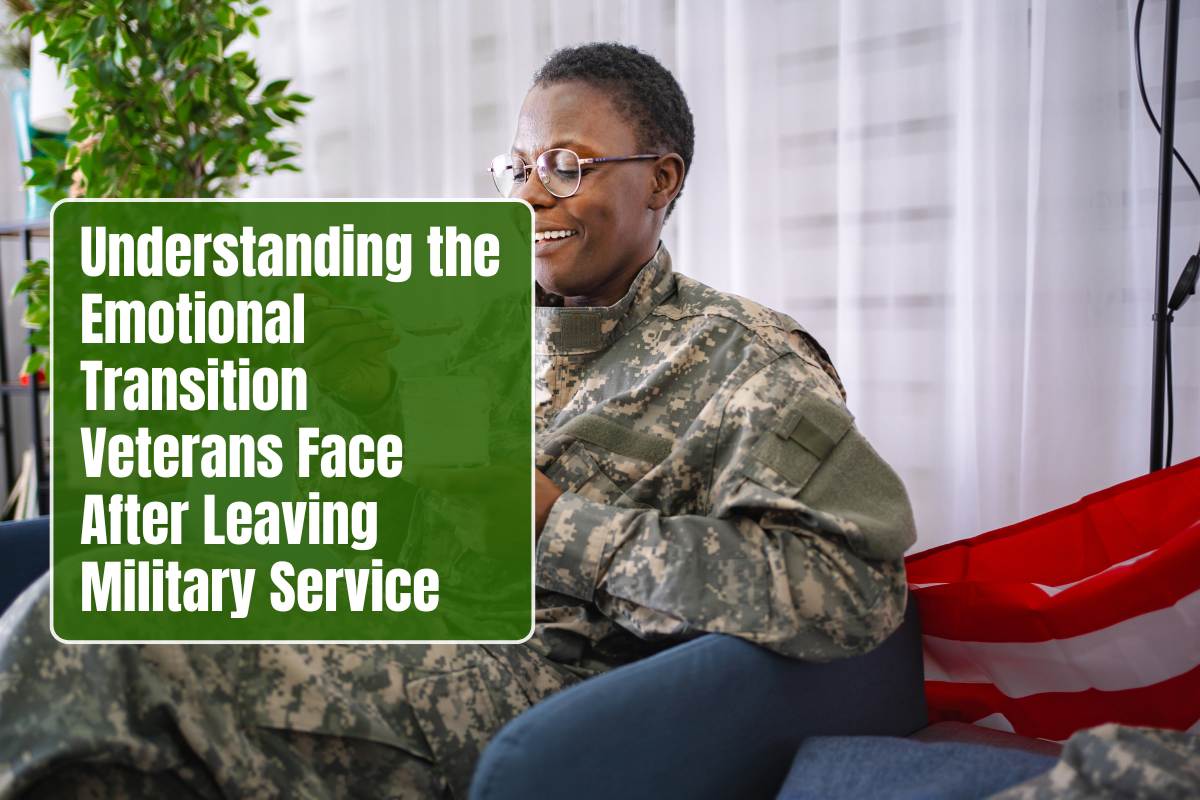
Veterans in the USA experience profound emotional transitions post-service, marked by grief over lost structure, identity, and camaraderie, with 44-72% facing transition stress including isolation and anxiety per VA and SSV data.
This “rollercoaster” involves letting go of military life—triggering anger, depression, and purpose voids—while navigating civilian uncertainties like finances and employment, affecting 200,000+ annual discharges. VA resources and peer support ease readjustment, where most find fulfillment despite initial hardships.
Loss of Military Structure and Purpose
Military rigidity provides clear goals and adrenaline; civilians lack this, causing overwhelm and irritability—veterans push for perfection or resent “easy-going” peers. 53% report chronic conditions post-separation, with unemployment fueling despair and 33% mental health issues like sleep problems.
This “wilderness” phase demands redefining purpose outside ranks.
Grief and Identity Shift
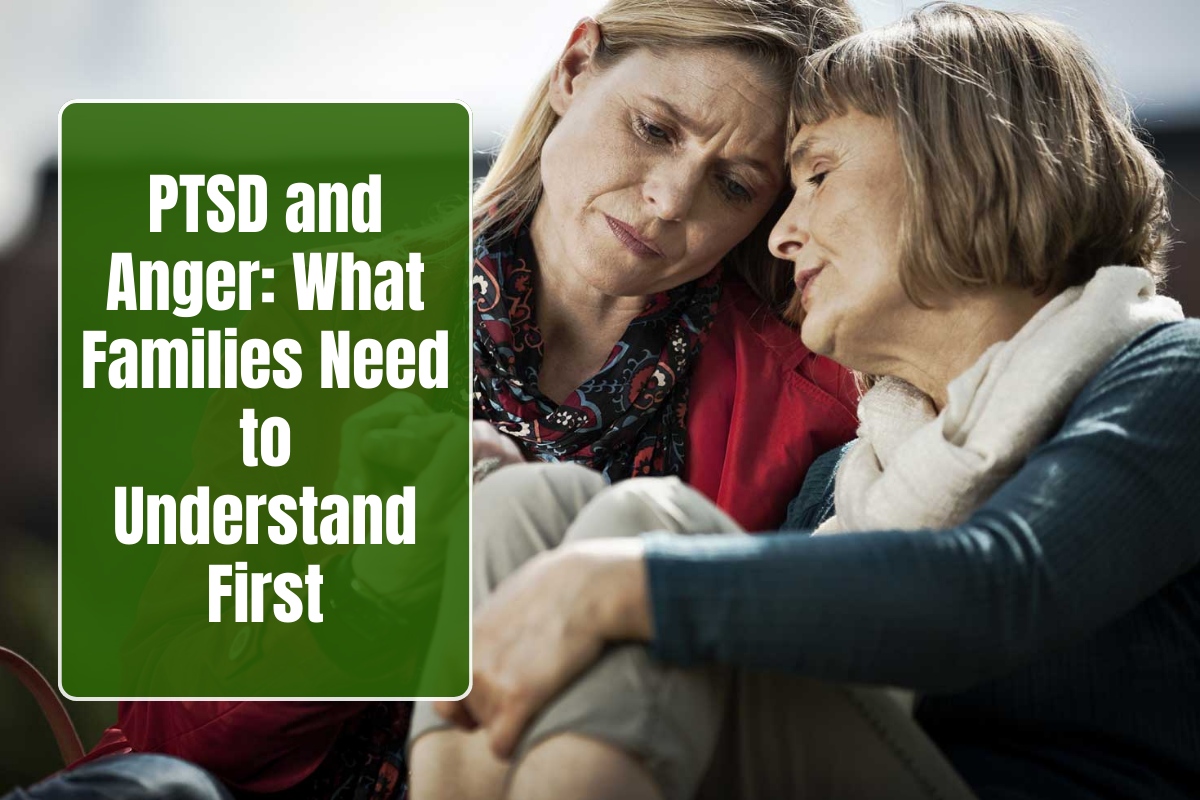
Discharge evokes grieving: anger over losses (culture/community), depression from isolation—”no one understands”—and identity voids as “warrior” fades. Families strain from emotional withdrawal; 20% develop PTSD, amplifying reintegration pain.
Cycles retrace, delaying acceptance amid family impacts.
Hyperarousal and Emotional Dysregulation
Edge-feeling, concentration lapses, and anger disrupt daily life—substance use or suicidal ideation rises without coping. Transition stress differs from PTSD but overlaps, with 19-44% diagnoses post-combat.
Stigma hinders help-seeking, prolonging turmoil.
Family and Social Reintegration Challenges
Partners/spouses endure secondary trauma; children confuse behavioral changes. Veterans feel alienated, struggling with finances, jobs—42% opioid prescriptions signal distress.
Reintegration bids family involvement for success.
Employment and Financial Stressors
Job rejections demoralize despite skills; 20% unemployment links to poorer health. Loss of benefits heightens anxiety, bidirectional with mental strains.
Purpose voids exacerbate, delaying stability.
VA and Community Support Pathways
VA’s Transition GPS, PTSD Coach app, and 988 Lifeline aid coping; peer groups normalize experiences. Evidence-based therapies build resilience, with family strategies boosting outcomes.
Early intervention prevents long-term isolation.
FAQs
Q. What causes the “lack of structure” grief?
Military goals/adrenaline vanish, overwhelming civilians; perfectionism/irritability common per Make the Connection.
Q. How does identity loss manifest emotionally?
Anger/depression cycles from “warrior” void; isolation as “no one understands,” per SSV rollercoaster model.
Q. Why hyperarousal hinders transition?
Edge-feeling/concentration issues spur substance use; 44-72% stress vs. 20% PTSD, per Veterans Place.
Q. What family impacts arise?
Withdrawal strains relationships; children fear changes, partners secondary trauma—bidirectional per VA.
Q. How does VA support emotional readjustment?
GPS programs, apps, 988 Lifeline normalize; therapies/peers aid purpose-finding.