Veterans introduce unique stressors into family life shaped by combat trauma, deployments, and reintegration challenges, manifesting as PTSD symptoms that disrupt emotional bonds, routines, and roles. These invisible wounds—hyperarousal, numbing, avoidance—elevate family conflict, caregiver burden, and child distress, yet understanding them enables targeted coping. Families can mitigate impacts through empathy, routines, and support.
Hyperarousal and Aggression Risks
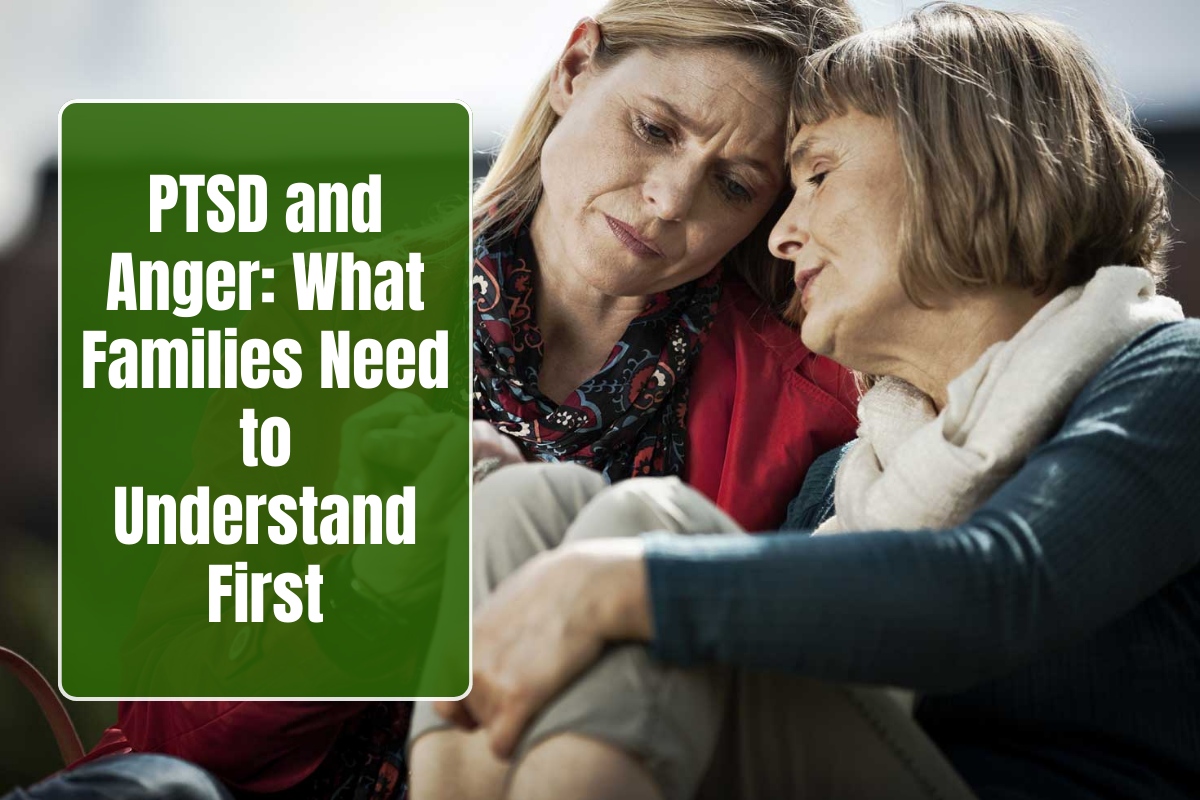
Combat-honed hypervigilance persists at home, causing veterans to startle easily, scan for threats, or explode over minor issues like misplaced items. Families report verbal/physical aggression 2-3 times higher than non-PTSD homes, with hyperarousal fueling domestic violence risks. Spouses describe “walking on eggshells,” fearing outbursts that shatter safety and trust.
Children witness irritability, leading to anxiety or withdrawal; studies link paternal PTSD to doubled child behavior problems. This reactivity strains parenting, with veterans struggling to regulate anger amid sleep loss.
Emotional Numbing and Intimacy Gaps
Numbing blocks joy, love, or closeness, leaving partners feeling rejected despite physical presence—Vietnam wives reported 2x marital issues, echoed in modern cohorts. Veterans share fewer thoughts/feelings, eroding communication; sexual dysfunction rises, with lower interest amplifying loneliness. Spouses shoulder 80% household/childcare, breeding resentment and secondary trauma like depression.
Iranian/Iraqi war spouses note “chronic defeat,” grieving the “pre-trauma” partner while managing volatility.
Reintegration Friction Post-Deployment
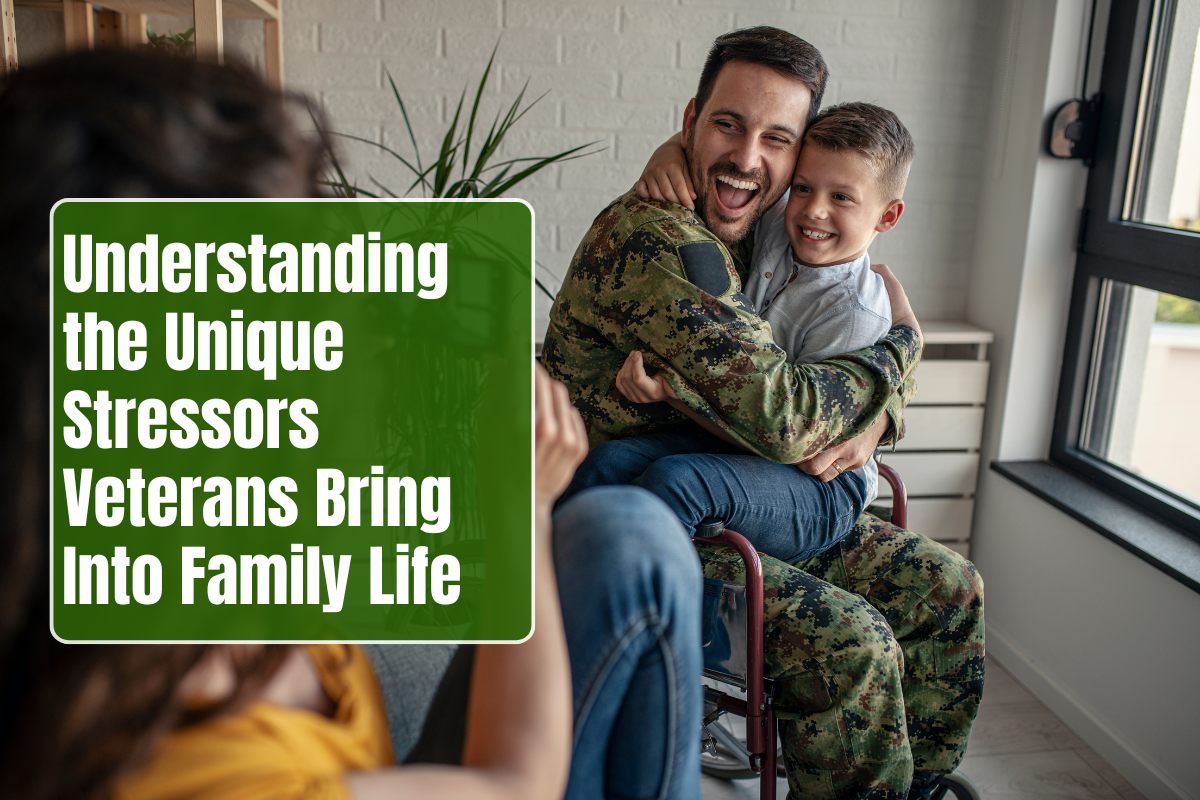
Returns disrupt adapted family systems—spouses handled solo parenting; veterans reclaim roles amid changed dynamics, spiking conflict (20-33% report strain). Reserve/Guard families face abrupt shifts without military buffers, yielding rigidity or poor cohesion. Adolescents note lower parent reconnection (54%), with teens reporting fractured bonds.
Financial woes compound: veteran unemployment doubles, forcing spouses into overload.
Caregiver Burden on Spouses
Spouses endure “ambiguous loss,” averaging 9+ daily care hours amid violence fears, sleep loss, and isolation—53% Iranian spouses report insufficient income. Multiple roles (caregiver/mother/breadwinner) yield burnout: chronic fatigue, self-neglect, hopelessness. Social withdrawal limits networks; societal judgment adds stigma.
Child and Intergenerational Impacts
Kids absorb volatility: under-11s show emotional/peer issues; teens face cohesion drops, mimicking avoidance or aggression. Parental PTSD predicts internalizing/externalizing problems via disrupted attachment. Deployment separations heighten this, with 52% maltreatment risk spikes.
Mitigation Strategies for Families
Routines restore predictability; empathetic listening (“That sounds tough”) validates without fixing. VA family therapy/CBCT rebuilds skills; caregiver programs offer respite. Early intervention halves intergenerational transmission.
FAQs
Q1: How does hyperarousal affect home safety?
Triggers aggression 2-3x higher; spouses “eggshell-walk” fearing violence.
Q2: Why intimacy suffers most?
Numbing blocks emotions/love, yielding 2x marital issues, sexual dysfunction.
Q3: What reintegration pitfalls?
Role clashes post-solo parenting; 20-33% strain, poor cohesion.
Q4: How burdened are spouses?
9+ care hours daily; burnout, self-neglect, depression in 50%+.
Q5: Do kids suffer long-term?
Yes, doubled behavior issues, attachment disruptions.
Q6: What helps?
Routines, CBCT, VA respite; empathetic validation.