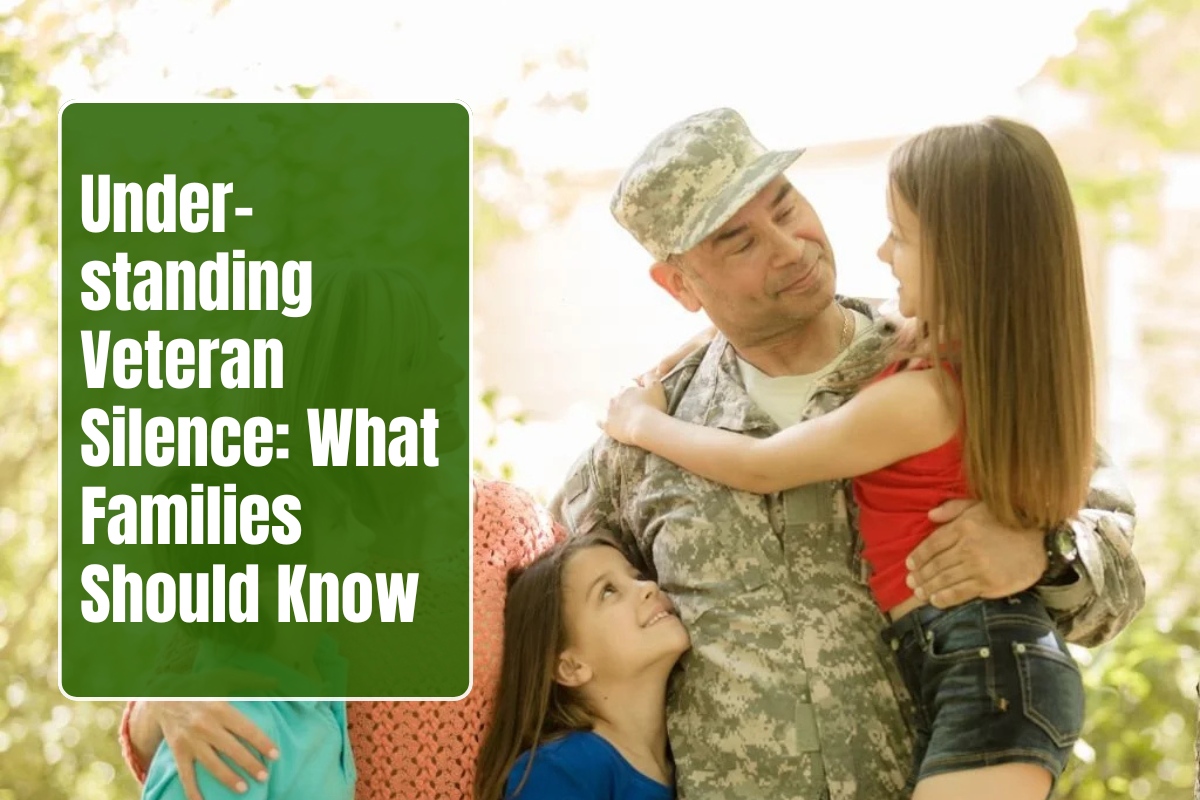
Many families notice that the veterans in their lives rarely talk about their experiences, emotions, or inner struggles. This silence can be confusing, frustrating, and even painful for loved ones who want to offer support but do not know how.
It is important to understand that veteran silence is not rejection, emotional coldness, or lack of trust. Often, it is a coping strategy shaped by military culture, lived experience, and the desire to protect both themselves and those they care about. Understanding the reasons behind this silence can help families respond with empathy rather than misunderstanding.
Silence as a Learned Survival Strategy
Military environments often require emotional control, composure under pressure, and the ability to push through discomfort without outward expression. For many service members, this conditioning becomes deeply ingrained.
During deployment or high-stress situations, talking openly about fear, grief, or vulnerability may not have felt safe or practical. Over time, silence becomes a way to function, cope, and stay in control. Even after returning home, this habit can remain. What families may perceive as emotional distance is often a learned survival response that once helped the veteran endure extreme circumstances.
Protecting Loved Ones From Painful Experiences
Many veterans stay silent because they want to protect their families. They may worry that sharing difficult memories will burden loved ones, cause worry, or change how they are perceived.
This protective instinct often comes from care, not disconnection. Veterans may believe that keeping painful stories to themselves is a way of preserving normalcy at home. Understanding this motivation can help families see silence as an act of love rather than emotional withdrawal.
Difficulty Finding the Right Words
Some experiences are hard to translate into everyday language. Combat exposure, moral injury, loss, and trauma can be deeply complex and emotionally overwhelming.
Veterans may struggle to find words that accurately convey what they went through. They may fear being misunderstood, judged, or met with reactions that feel uncomfortable. In many cases, silence reflects uncertainty about how to communicate rather than unwillingness to connect.
Fear of Being Judged or Misunderstood
Veterans often worry about how others will interpret their experiences. They may fear being labeled as damaged, unstable, or dangerous if they open up.
This fear can be reinforced by stigma around mental health or by media portrayals that misrepresent veterans. When individuals feel they must defend their identity before they can share their story, silence can feel safer than vulnerability.
Emotional Overload and Avoidance
Talking about painful experiences can bring intense emotions to the surface. For some veterans, opening up may trigger distressing memories, anxiety, or emotional flooding.
Silence can therefore be a way of avoiding emotional overwhelm. This does not mean the emotions are gone; it simply means the veteran may not yet feel safe enough, regulated enough, or ready enough to revisit them. Patience is essential in these situations.
The Impact of Military Culture on Communication
Military culture often emphasizes strength, resilience, and self-reliance. While these qualities can be empowering, they can also make it difficult to express vulnerability.
Service members are trained to manage stress internally and prioritize the mission over personal emotion. After transitioning to civilian life, it can take time to unlearn these habits. Families who understand this cultural context are better positioned to respond with compassion rather than frustration.
How Families Can Respond With Support
Families do not need to force conversations to be supportive. In fact, pressure to talk can sometimes increase withdrawal. Instead, creating emotional safety is key.
This includes listening without judgment, respecting boundaries, and letting the veteran know that they can talk when they are ready. Consistency, patience, and calm presence often speak louder than direct questions. Sometimes, simply saying “I’m here whenever you want to talk” can create a powerful sense of safety.
Encouraging Help Without Forcing It
Professional support can be valuable, but many veterans are hesitant to seek help. Families can gently encourage support by normalizing it rather than framing it as a necessity or obligation.
Sharing information, offering to help find resources, or suggesting options such as peer support groups can open doors without pressure. Respecting autonomy is crucial; feeling controlled can increase resistance rather than openness.
Recognizing That Silence Does Not Mean Lack of Love
One of the most painful misunderstandings families experience is interpreting silence as emotional distance. It is important to remember that many veterans who struggle to express their inner world still care deeply about their families.
Their actions—showing up, providing, protecting, staying connected—often express love more clearly than words. Learning to recognize these nonverbal expressions can help families feel more connected even when conversations are limited.
Frequently Asked Questions
Why won’t my loved one talk about their military experiences?
They may be protecting themselves emotionally, protecting you from distress, struggling to find the right words, or feeling unsure about how they will be received.
Should I push them to open up?
Gentle openness is helpful, but pressure can be counterproductive. Creating a safe, nonjudgmental environment is usually more effective than pushing for conversation.
Does silence mean they don’t trust me?
Not necessarily. Silence often reflects internal struggles rather than a lack of trust in loved ones.
How can I show support without forcing conversation?
By being present, listening when they do share, respecting boundaries, and expressing that you are available whenever they feel ready to talk.
Is it normal for veterans to struggle with emotional expression?
Yes. Military culture and lived experiences can shape communication styles, and many veterans find emotional openness challenging, especially during transitions.
When should I be concerned about their silence?
If silence is accompanied by severe withdrawal, hopelessness, substance misuse, or signs of emotional distress, it may be important to gently encourage professional support or seek guidance from a mental health professional.