Veterans often carry the physical, emotional, and psychological effects of their service long after returning to civilian life. Adjusting to life after deployment can involve challenges such as post-traumatic stress, anxiety, depression, physical injuries, career transitions, and a loss of identity or structure.
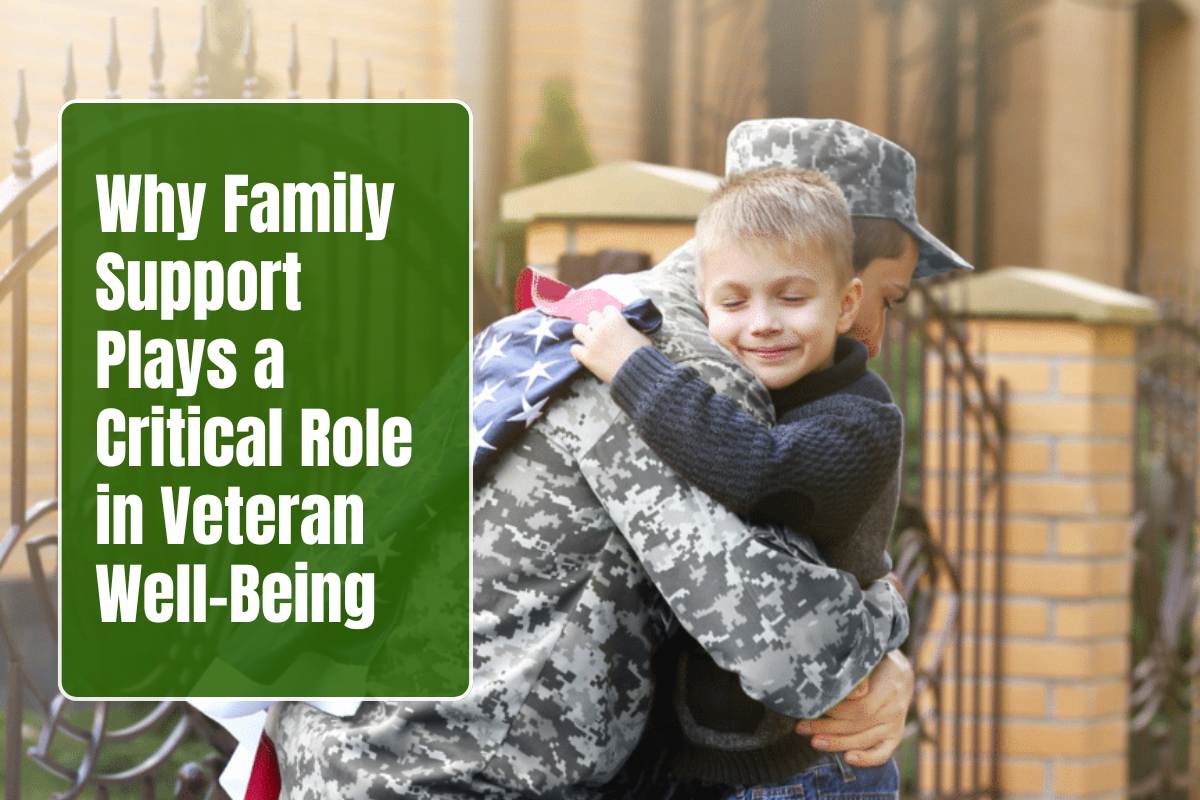
In this complex journey, family support plays a critical role. Strong, understanding, and consistent family involvement can significantly improve a veteran’s overall well-being, resilience, and long-term quality of life. This article explores why family support is so essential to veteran well-being and how it makes a lasting difference.
Strengthening Emotional Stability and Mental Health
One of the most powerful impacts of family support is its effect on a veteran’s emotional health. Veterans may struggle with intense emotions, mood changes, or difficulty expressing what they are feeling. When family members provide patience, empathy, and a nonjudgmental presence, veterans are more likely to feel safe and understood.
Emotional support can reduce feelings of isolation, shame, and emotional withdrawal. Simply knowing that someone is there to listen without criticism can ease stress and help veterans cope with trauma-related symptoms. Over time, this emotional stability becomes a foundation for healing and personal growth.
Reducing Isolation and Strengthening Connection
Many veterans experience a sense of disconnection after leaving the military. The loss of camaraderie, structure, and shared mission can make civilian life feel lonely or unfamiliar. Family support helps bridge this gap by providing a consistent sense of belonging.
Regular communication, shared activities, and meaningful connection remind veterans that they are valued and not alone. Even small acts—like eating meals together, checking in regularly, or spending quality time—can significantly reduce loneliness and strengthen emotional bonds.
Encouraging Healthy Coping and Daily Routines
Family members often influence daily habits that directly impact well-being. Supportive families can gently encourage routines that promote stability, such as consistent sleep, healthy eating, exercise, and balanced schedules.
When veterans feel supported rather than pressured, they are more likely to engage in positive coping behaviors. Families can model healthy stress management, encourage hobbies, and create environments that promote calm and structure. These daily habits can reduce symptoms of anxiety, depression, and emotional overwhelm.
Supporting the Transition to Civilian Life
Transitioning from military to civilian life can be one of the most difficult periods for veterans. Career changes, identity shifts, and cultural differences between military and civilian environments can create confusion and stress.
Family support can ease this transition by offering encouragement, practical help, and reassurance. Whether it involves helping with job searches, supporting educational goals, or simply offering emotional reassurance, families can help veterans rebuild confidence and find new purpose beyond their military roles.
Promoting Physical Health and Recovery
Many veterans live with physical injuries, chronic pain, or long-term health conditions related to their service. Family involvement often plays a vital role in recovery and ongoing health management.
Supportive families can encourage medical care, assist with appointments, and help veterans maintain healthier lifestyles. Emotional encouragement can also improve motivation, making it easier for veterans to follow treatment plans and prioritize their physical well-being.
Creating a Sense of Purpose and Belonging
Beyond practical and emotional support, families offer something equally important: purpose and belonging. Veterans who feel valued within their families are more likely to maintain hope, self-worth, and motivation.
Being a parent, partner, sibling, or valued family member can provide meaning that helps veterans move forward after service. This sense of connection can be a powerful protective factor against hopelessness, substance misuse, and emotional distress.
Encouraging Openness to Support Resources
While families cannot replace professional care, they often influence whether veterans feel safe enough to seek outside support. A supportive family environment can normalize conversations about mental health, reduce stigma, and encourage openness.
When families approach help gently and respectfully, veterans may feel more comfortable exploring counseling, support groups, or other services when they are ready. Family encouragement often becomes the bridge between struggling alone and accepting broader support.
Frequently Asked Questions
Why is family support especially important for veterans?
Veterans often face unique emotional, psychological, and physical challenges after service. Family support provides stability, understanding, and connection that can significantly improve coping and long-term well-being.
How does family support affect a veteran’s mental health?
Strong family support can reduce stress, loneliness, and emotional distress while increasing feelings of safety, belonging, and resilience, all of which positively impact mental health.
What if a veteran pushes family away?
Withdrawal can be a common response to stress or trauma. Families can continue offering gentle, consistent support without forcing connection, letting the veteran know they are available whenever they are ready.
Can family support replace professional treatment?
No, but it can strongly complement it. Family support creates an environment that encourages healing and can make veterans more open to seeking professional care when needed.
How can families best support a veteran’s transition to civilian life?
Families can offer encouragement, patience, help with practical challenges like employment or education, and emotional reassurance as veterans adjust to new routines and identities.
What is the most important thing families can offer veterans?
Consistent compassion, understanding, and presence. Feeling valued and supported by loved ones can be one of the strongest foundations for a veteran’s overall well-being.