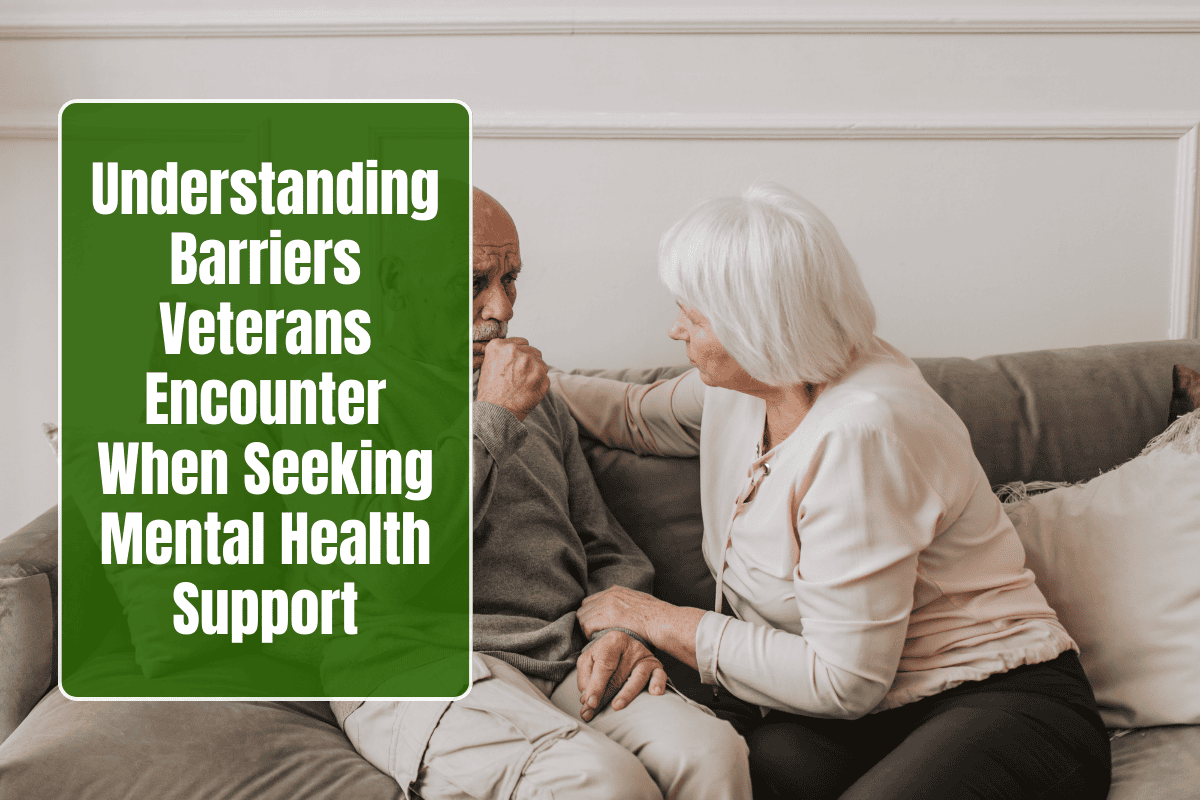
Many veterans hesitate to ask for emotional or psychological help due to deeply ingrained military culture emphasizing stoicism, coupled with fears of stigma, career repercussions, and perceived weakness. These barriers result in only 22-40% seeking care despite high PTSD rates, perpetuating isolation and worsening outcomes like suicide. Reframing help-seeking as resilience can bridge this gap.
Military Culture of Self-Reliance
Service instills values of toughness and independence, where admitting distress signals failure or vulnerability incompatible with warrior ethos. Veterans internalize “suck it up” norms, suppressing emotions to maintain unit cohesion during deployments, making post-service disclosure feel like betrayal of training. This cultural suppression leads to denial, with many viewing therapy as unnecessary for “handleable” issues.
Branch differences amplify reluctance: Marines report highest self-stigma and destructive leadership perceptions, reducing help-seeking compared to other branches. Leadership styles shape this—destructive behaviors like public shaming heighten stigma, while supportive ones encourage openness.
Stigma: Public and Self-Perceptions
Public stigma—fearing judgment as “weak” or “crazy”—affects 60% of personnel, far exceeding civilians, with concerns about peer distancing or blame internalized as self-stigma. Self-stigma erodes self-esteem, fostering shame that decreases treatment motivation; veterans judge themselves harsher than peers. Destructive leadership exacerbates this, indirectly lowering help-seeking via elevated self-stigma.
Myths like “treatment won’t work” or “meds change personality” reinforce avoidance, despite evidence showing 80% PTSD recovery with care. Stigma triples dropout rates, keeping symptoms chronic.
Career and Confidentiality Fears
Active-duty fears dominate: records could derail promotions, clearances, or deployments, with past cases fueling distrust despite protections. Post-service, job discrimination or benefit impacts linger, prompting silence. Confidentiality breaches worry 77%, amplified by VA inefficiencies or negative encounters.
Women and minorities face compounded stigma via childcare judgments or cultural mistrust, delaying care further.
Distrust in Treatment Efficacy
Skepticism abounds: “talk therapy reopens wounds” or “it’s permanent damage,” stemming from misinformation or ineffective past tries. Many misattribute PTSD to “readjustment,” delaying recognition until crisis. Comorbid SUD self-medication seems quicker than uncertain professional paths.
Branch-specific subcultures vary: high enlisted-officer ratios in Marines correlate with overburdened leadership, worsening stigma.
Practical and Transition Barriers
Post-service transitions bring alienation from civilians, value clashes, and unawareness of VA/TRICARE benefits, with wait times and red tape deterring. Rural isolation, work conflicts, and fatigue compound issues, especially for older or border veterans facing discrimination.
Pathways to Overcome Hesitation
Peer programs like Defender’s Edge normalize care; stigma campaigns reframe therapy as strength. Supportive leaders boost utilization via lower self-stigma; telehealth eases access.
FAQs
Q1: What role does military culture play?
Emphasizes stoicism/self-reliance, viewing vulnerability as weakness, leading to suppression.
Q2: How does stigma differ for veterans?
60% cite public fears > civilians; self-stigma mediates avoidance more than public.
Q3: Do career fears persist post-service?
Yes, job/benefit impacts; confidentiality distrust affects 77%.
Q4: Why doubt treatment works?
Myths like “permanent” or “ineffective”; ignores 80% PTSD recovery rates.
Q5: How does leadership influence?
Destructive raises self-stigma/lowers seeking; supportive reduces via trust.
Q6: What reduces barriers?
Peers, campaigns, telehealth; normalize as resilience.