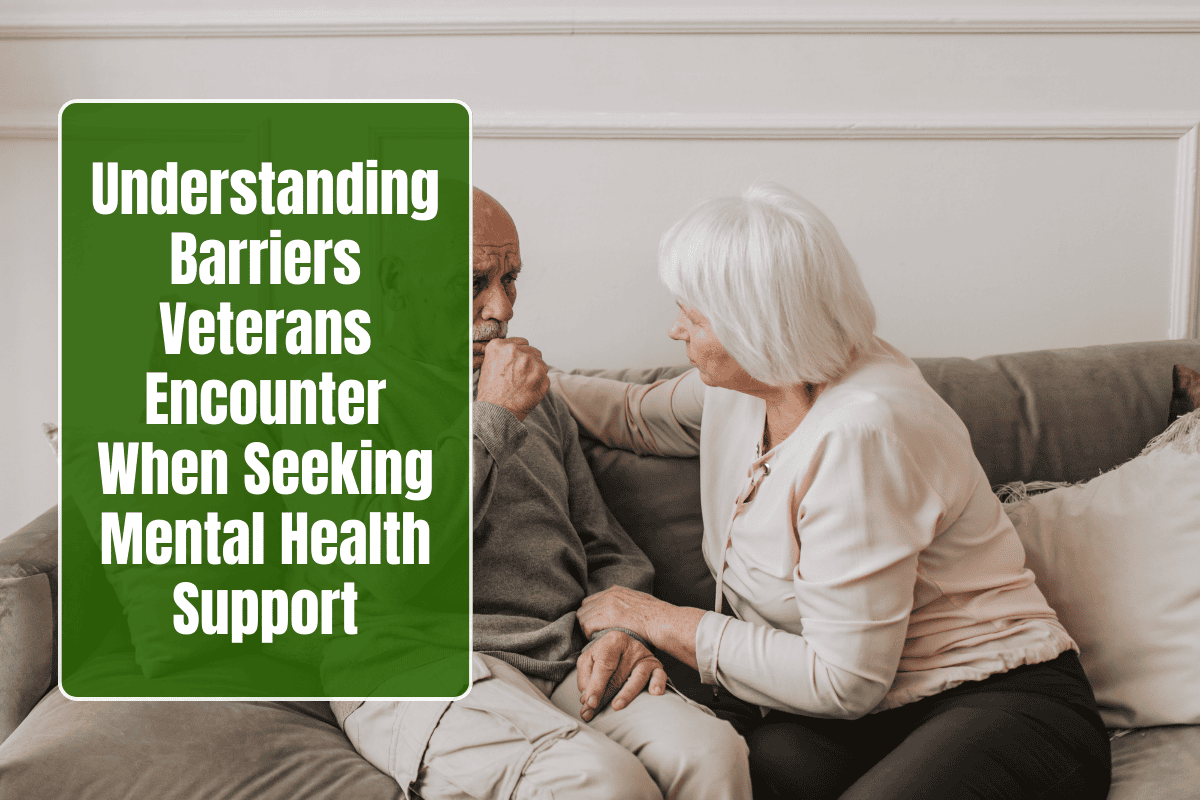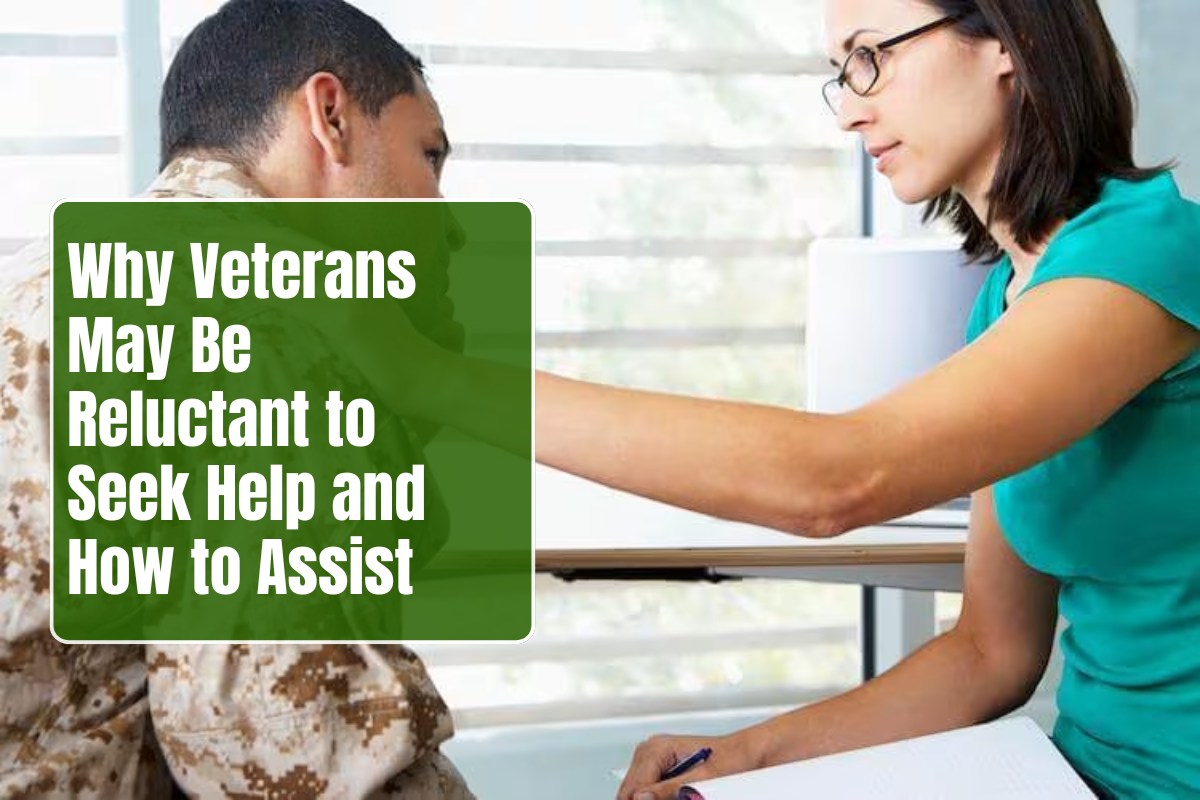
Veterans often hesitate to seek mental health support despite high PTSD and depression rates, due to deep-rooted stigma and military culture emphasizing self-reliance. Barriers like fear of judgment or career repercussions compound access issues, yet gentle encouragement and education can bridge gaps effectively. Family, peers, and professionals play key roles in normalizing help-seeking, improving outcomes through targeted strategies.
Stigma and Military Cultural Norms
Military training instills stoicism and toughness, viewing vulnerability as weakness, which persists post-service—29.9% fear family discomfort around mental health issues. Anticipated stigma from peers or superiors deters disclosure, fearing career impacts like lost clearances or deployments, even after discharge. This internalized belief delays treatment, escalating risks of substance abuse or suicide.
Practical and Access Barriers
Complex VA systems, long waits, and rural locations hinder entry; veterans report poor civilian provider understanding of service trauma. Misconceptions about therapy’s ineffectiveness or “it’s all in your head” responses breed skepticism, while confidentiality fears linger despite protections. Limited veteran-specific services exacerbate isolation.
Personal Fears and Negative Experiences
Pride and self-reliance lead to “suck it up” mentalities; many dread revisiting trauma or appearing minimized. Past VA encounters or discrimination reinforce avoidance, with sleep/substance issues—prevalent yet undertreated—facing extra reluctance. Women veterans cite additional gender stigmas.
Educate Without Judgment
Share resources like VA’s PTSD Coach app or AboutFace videos featuring veteran testimonials, normalizing recovery as strength. Frame help as mission continuation: “Seeking support honors your service by safeguarding your future.” Avoid pressure; use facts showing 50% symptom reduction via therapy.
Normalize Through Peer and Family Support
Connect to veteran-led groups like peer counseling, reducing isolation—group therapy fosters camaraderie absent in solo sessions. Families listen empathetically, validating experiences without “move on” clichés, and offer accompaniment to appointments. Model self-care to counter stoicism.
Leverage Tailored Resources and Incentives
Highlight VA telehealth for rural access, TRICARE-covered programs, or grants removing financial barriers. Promote evidence-based options like CBT or EMDR with veteran success stories, addressing efficacy doubts. Campaigns dispelling stigma via military influencers build trust.
Encourage Small Steps and Patience
Suggest low-commitment starts: hotlines (988 Veteran Crisis Line) or self-assessments before full therapy. Celebrate progress like one session, respecting pace—healing takes time amid hypervigilance or anger. Consistent availability without judgment sustains momentum.
Long-Term Cultural Shifts
Advocacy for institutional changes—shorter waits, trained providers—amplifies efforts. Peer networks and family involvement cut dropout rates, fostering resilience where toughness includes seeking backup.
FAQ
Q1: What stigma barriers do veterans face?
A: Military stoicism views help as weakness; 29.9% fear family discomfort or career loss.
Q2: How do access issues contribute?
A: VA complexity, rural gaps, and civilian misunderstandings delay care.
Q3: Why the personal reluctance?
A: Pride, therapy skepticism, and trauma revisitation fears prevail.
Q4: How to educate effectively?
A: Use VA apps/testimonials framing help as strength, avoiding pressure.
Q5: What small steps encourage progress?
A: Hotlines, peer groups, family accompaniment normalize therapy gradually.