Veterans face profound challenges transitioning to civilian life, including loss of structure, PTSD (affecting 20-30% post-9/11), employment gaps, and family strains, with 27-44% reporting ...
Veterans face significant hurdles when seeking mental health support after service, with only 22-40% accessing care despite high PTSD and depression rates among 14-16% ...
Military experience profoundly shapes veterans’ mental health and relationships, with combat exposure elevating PTSD risks to 14-30% in post-9/11 cohorts while fostering resilience alongside ...
Many veterans hesitate to ask for emotional or psychological help due to deeply ingrained military culture emphasizing stoicism, coupled with fears of stigma, career ...
Supporting veterans at home with invisible wounds like PTSD involves creating safety, fostering empathy, and building routines that promote healing without overwhelming anyone. Families ...
Family members play a crucial role in encouraging veterans to seek mental health care for PTSD, often serving as the primary motivators for treatment ...
Veterans introduce unique stressors into family life shaped by combat trauma, deployments, and reintegration challenges, manifesting as PTSD symptoms that disrupt emotional bonds, routines, ...
Partners play a vital role in helping veterans navigate post-military life, bridging gaps in employment, mental health, relationships, and civilian adjustment amid high transition ...
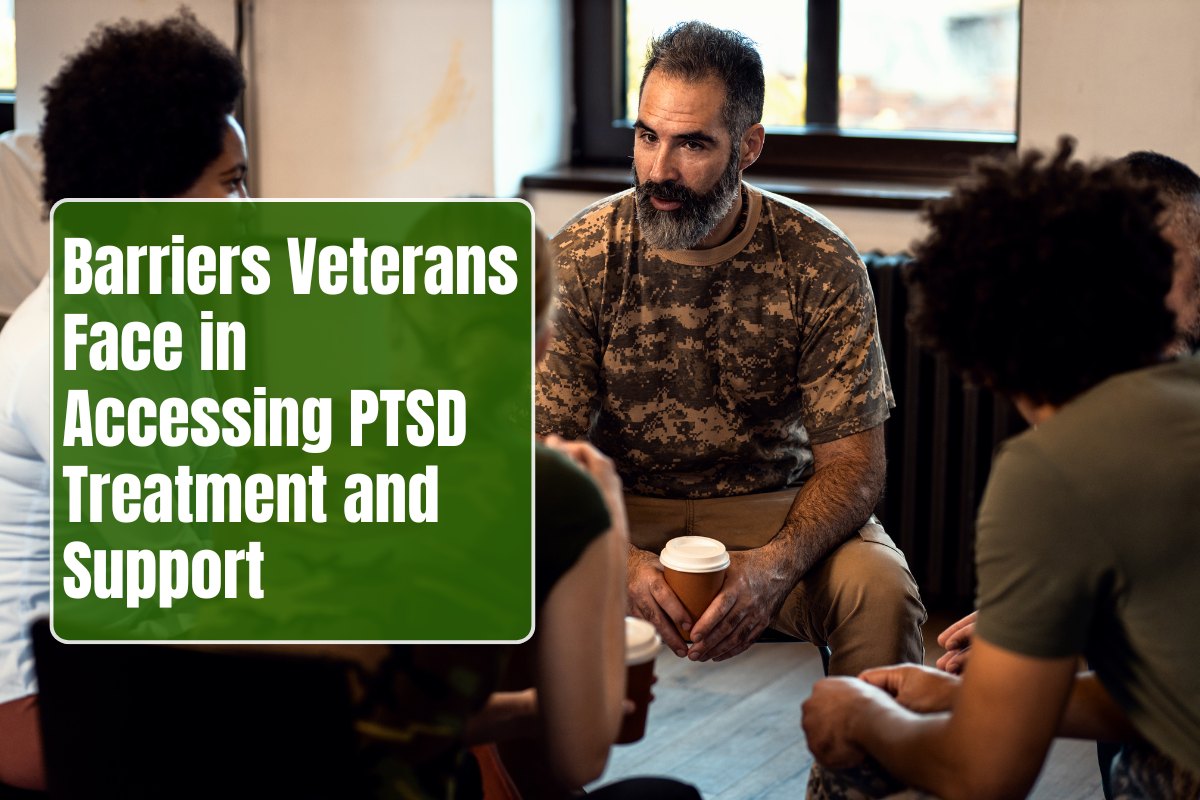
Veterans encounter multiple barriers to accessing PTSD treatment and support, with only 22-40% receiving care despite 10-30% prevalence rates, driven by stigma, access gaps, ...
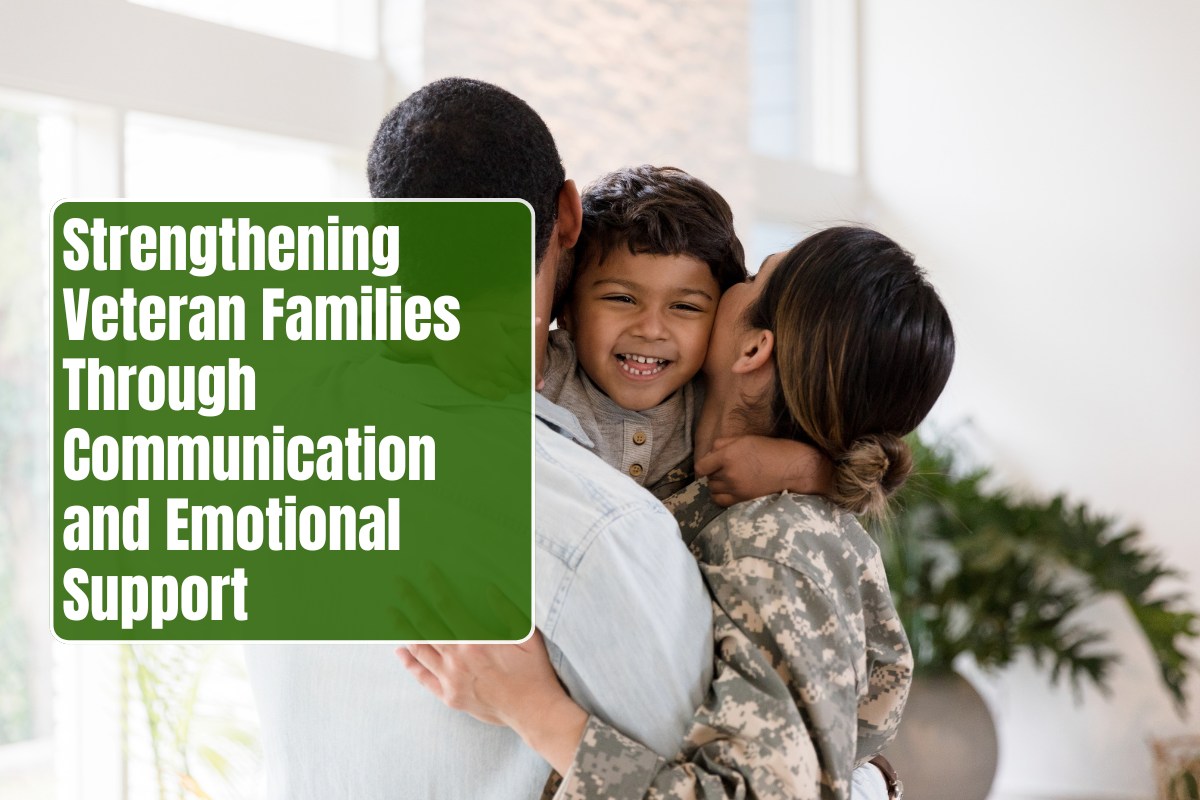
Communication and emotional support form the bedrock of strengthening veteran families amid PTSD challenges, fostering resilience by reducing isolation and enhancing therapy engagement up ...